

Great Guitars, Smaller Budgets
The idea that you need to spend a fortune to get a decent guitar is simply wrong. It used to be true, maybe, but the world of guitars has changed dramatically. There's a lot of intimidation out there for someone just starting out – what to buy, what to look for, avoiding getting ripped off. It's easy to get stuck in analysis paralysis, wanting a good instrument without emptying your bank account.
Thankfully, in 2026, you can absolutely find professional-quality guitars for under $500. Manufacturing processes have become more efficient, competition has increased, and companies are recognizing the need to cater to beginners. This doesn’t mean these guitars will play exactly like a custom shop instrument, but they will be perfectly capable of helping you learn and express yourself.
We're seeing a real sweet spot open up in the market. You can get instruments that feel good, sound good, and will inspire you to keep playing. The days of being stuck with a poorly made, unplayable guitar as your first instrument are largely behind us. It’s a great time to get started.
The $500 Sweet Spot: What’s Changed?
The budget guitar market has exploded in the last decade. Brands like Squier—the Fender-affiliated line—have consistently improved their quality control and the materials they use. They’re not just slapping a logo on a cheap instrument anymore; they’re building guitars that genuinely deliver good value. Yamaha and Ibanez have also been key players, offering consistently reliable instruments at competitive prices.
The rise of direct-to-consumer brands has also shaken things up. Companies like Harley Benton and Monoprice cut out the middleman, offering guitars directly to consumers at significantly lower prices. This forces established brands to compete, driving down prices and improving quality across the board. It’s a good time for guitar players.
Interestingly, prices haven't climbed as dramatically as you might expect, considering the current economic climate. It’s not just about avoiding inflation; it’s about efficiency. Companies have streamlined their production processes, optimized their supply chains, and found ways to deliver more value for your money. This is a real benefit to beginners and experienced players alike.
Top Picks: Electric Guitars Under $500 (2026)
Okay, let’s get to the guitars. Here’s a rundown of some of the best electric guitars you can find for under $500 in 2026. I’m trying to cover a range of styles and preferences here, so there should be something for everyone.
It's important to remember that 'best' is subjective. What works for one player won’t necessarily work for another. I'll try to be honest about each guitar’s strengths and weaknesses, and who it's best suited for. These are all playable instruments, but they aren’t all created equal.
- Squier Classic Vibe '50s Stratocaster ($349): A classic for a reason. Alder body, vintage-style single-coil pickups, and a comfortable “C” shaped neck. Great for blues, rock, and pop. The tuning stability can be a little finicky out of the box, but a proper setup can resolve that.
- Yamaha Pacifica 112V ($299): An incredibly versatile guitar. HSS pickup configuration (humbucker in the bridge, single-coils in the middle and neck) gives you a wide range of tones. A solid choice for beginners wanting to explore different genres. The stock pickups are decent, but upgrading them later is a popular option.
- Ibanez GRX20 ($279): A shredder’s dream on a budget. Thin, fast neck, humbucker pickups, and a sleek design. Ideal for rock and metal. Build quality isn’t quite as refined as some of the other guitars on this list, but you get a lot of bang for your buck.
- Epiphone Les Paul Special VE ($279): A simplified version of the iconic Les Paul. Mahogany body, humbucker pickups, and a classic look. Good for rock and blues. The fretboard can feel a little rough around the edges, but it’s a solid instrument overall.
- Schecter Omen Extreme-6 ($399): A step up in terms of build quality and features. Mahogany body, humbucker pickups, and a sleek, modern design. Great for rock and metal. The Schecter pickups are particularly good for this price range.
- Gretsch Streamliner Classic Cutaway ($379): Offers a taste of Gretsch’s vintage vibe. Features Broad’Tron humbuckers for a warm, punchy tone. Suited for rockabilly, blues, and classic rock. The slightly wider neck may take some getting used to.
- Harley Benton ST-20 HSS ($199): An incredibly affordable option. HSS pickup configuration and a comfortable neck. A surprising amount of quality for the price. Don't expect perfection, but it’s a great starting point.
- Jackson JS Series Dinky Minion JS1X ($249): A smaller-scale guitar perfect for younger players or those with smaller hands. Humbucker pickup and a fast neck. Great for rock and metal. A fantastic way to get a quality instrument without a full-size guitar.
- Sterling by Music Man SUB1 Ray4 ($399): Based on the iconic Music Man StingRay bass, but in a shorter scale length. Humbucker pickup and active electronics. Great for rock, funk, and pop. A really unique option for bass players.
Featured Products

Classic Stratocaster body and pickup configuration for versatile tones · Comfortable 'C' shape neck profile for easy playability · Durable construction with a 2-year warranty
The Squier Affinity Stratocaster provides iconic Fender styling and sound at an accessible price, making it a fantastic starting point for aspiring guitarists.

Dual humbucker pickups for a powerful, warm tone · Lightweight poplar body for comfortable playing sessions · Satin finish for a smooth, fast feel
The Epiphone Les Paul Special offers the legendary Les Paul look and sound in a budget-friendly package, ideal for beginners drawn to rock and blues.

Versatile HSS (Humbucker, Single, Single) pickup configuration for a wide range of sounds · Comfortable, slim neck profile for effortless fretting · Alder body for balanced tone and sustain
The Yamaha Pacifica 112V is renowned for its exceptional playability and tonal versatility, offering a premium feel and sound that punches well above its price point.

Fast, slim neck profile for rapid playing · Humbucker pickups in bridge and neck positions for powerful output · Tremolo system for expressive pitch bending effects
The Ibanez GIO GRX70QA is built for speed and modern tones, featuring a comfortable neck and versatile pickup setup perfect for rock and metal enthusiasts.
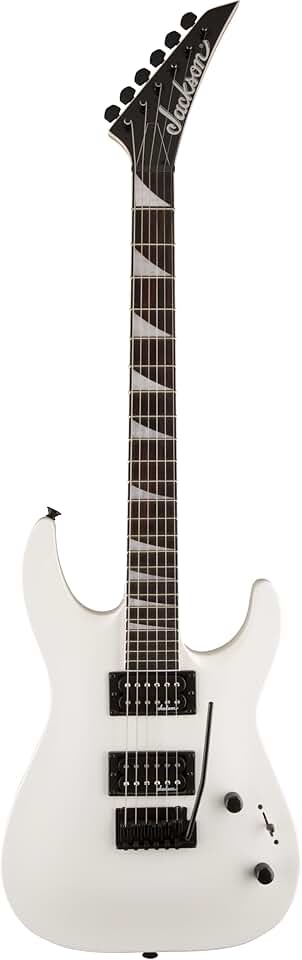
Aggressive styling and powerful humbucker pickups · Fast, slim neck profile suitable for shredding · Ample sustain and a bright, cutting tone
The Jackson JS22 Dinky delivers the high-performance features and aggressive sound favored by rock and metal players, all within a beginner-friendly budget.
As an Amazon Associate I earn from qualifying purchases. Prices may vary.
Decoding Guitar Specs: What Actually Matters
Guitar specs can be overwhelming. You'll see terms like 'roasted maple neck,' 'alder body with a flame maple top,' and 'ceramic humbucker pickups.' Some of this is important, but a lot of it is marketing fluff. For beginners, it’s best to focus on a few key things.
Neck Profile is crucial. This refers to the shape of the back of the neck. A “C” shape is the most common and generally comfortable for most players. A “D” shape is thicker, while a “V” shape is thinner. Go to a guitar store and try different neck profiles to see what feels best in your hand.
Pickup Type significantly affects the guitar’s sound. Single-coil pickups are bright and clear, ideal for blues and country. Humbucker pickups are thicker and more powerful, suited for rock and metal. HSS configurations (humbucker in the bridge, single-coils in the middle and neck) offer versatility.
Body Wood has a subtle impact on tone, but it’s often overstated. Alder is a common choice for Stratocasters, known for its balanced tone. Mahogany is often used for Les Pauls, providing a warmer, more sustain-rich sound. Don't get hung up on the specific wood; focus on how the guitar feels and sounds overall.
Beyond the Guitar: Essential Starter Gear
A guitar is just the beginning. You’ll also need a few essential accessories to get started. An amplifier is obviously crucial. Fender Mustang LT25 ($179) is a great budget-friendly option. A cable is needed to connect your guitar to the amp (around $15-$20). You’ll also need picks (a variety pack for $10-$15 is a good idea).
A strap is essential if you want to play standing up (around $20-$30). A tuner is also vital for keeping your guitar in tune (a clip-on tuner like the Snark SN5X ($20) is a good choice). These essentials will add another $100-$200 to your total cost.
Optional, but helpful items include a gig bag for portability ($30-$50), extra strings ($10-$20 a set), and a guitar stand ($20-$30). All in, you can expect to spend around $450-$700 to get fully equipped. It's an investment, but a worthwhile one.
Essential Starter Gear for Your New Electric Guitar

10-watt output, ideal for practice · 6-inch Fender Special Design speaker · Includes a 2-year warranty
This 10-watt amplifier is perfect for beginners, offering enough power for practice sessions without being overwhelming.
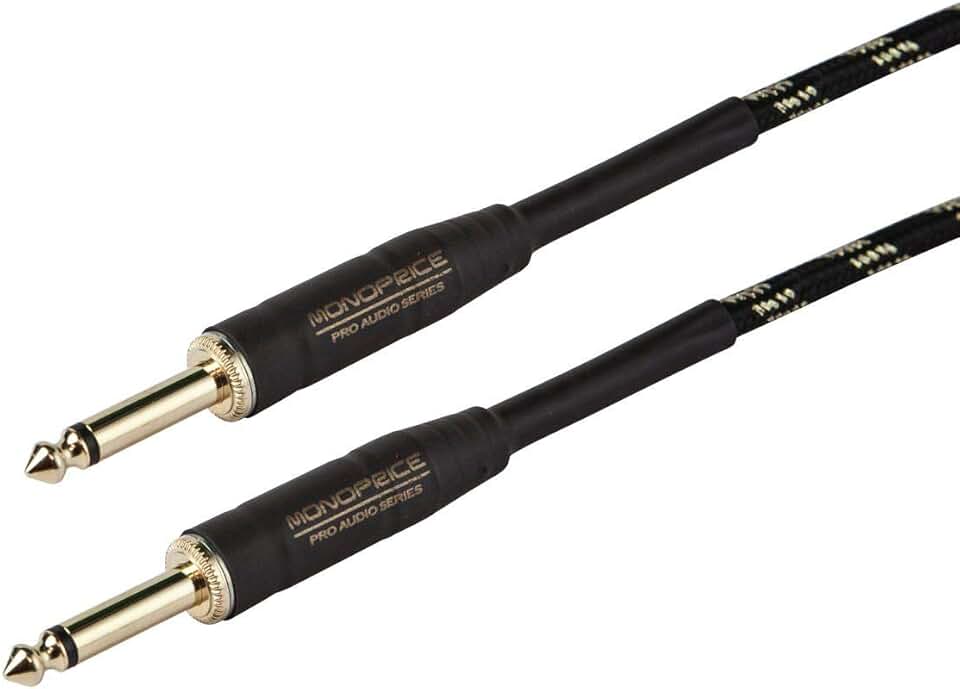
10-foot length for comfortable playing · Durable braided jacket and gold-plated connectors · 20AWG copper conductor for clear signal transmission
A reliable 10-foot instrument cable is crucial for connecting your guitar to the amplifier, ensuring a clear and consistent signal.

Durable Tortex material for longevity · Standard .73mm gauge for versatile playing · Comes in a convenient 12-pack
These .73mm Tortex picks offer a balanced feel and durability, making them a great choice for various playing styles.

Accurate tuning for guitar and ukulele · Easy-to-read display · Clip-on design for convenient attachment
A reliable tuner is essential for any guitarist, and this clip-on model provides accurate tuning for your instrument.
As an Amazon Associate I earn from qualifying purchases. Prices may vary.
Setup & Maintenance: Keeping it Playing Well
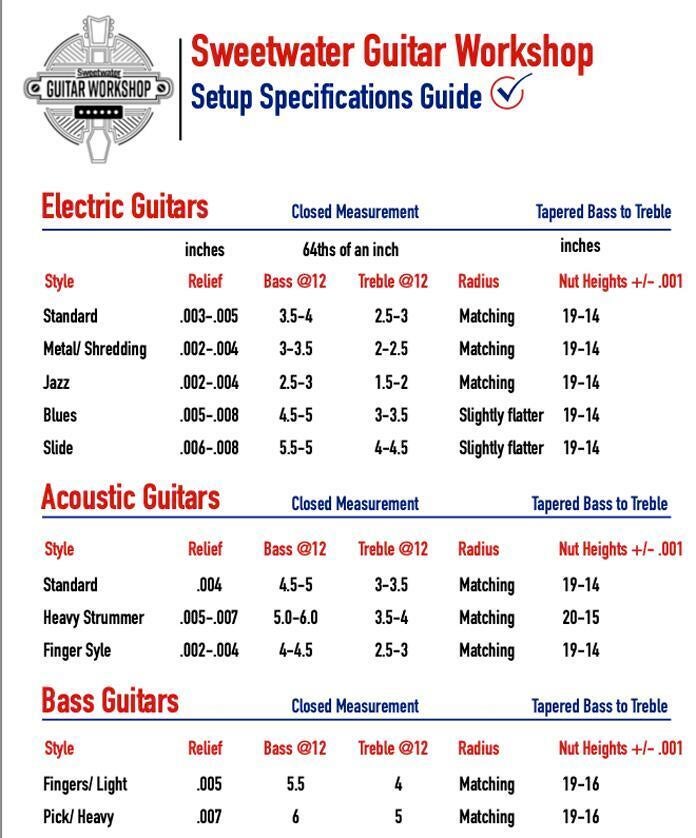
Even a great guitar needs a proper setup to play its best. This involves adjusting the action (the height of the strings above the fretboard) and the intonation (ensuring that the guitar plays in tune all the way up the neck). Many guitar stores offer setup services for around $75-$150.
Basic maintenance is also important. Clean your guitar regularly with a soft cloth and guitar polish. Change your strings when they start to sound dull or corroded. Learn how to do these tasks yourself, or take your guitar to a professional.
Don’t be afraid to seek help. A well-maintained guitar will be much more enjoyable to play and will last longer. If you're unsure about anything, it's always best to consult with a qualified guitar technician.
Standouts: Guitars Worth a Closer Look
From the list above, a few guitars really stood out in terms of value and performance. The Squier Classic Vibe '50s Stratocaster is a consistently excellent choice. It’s incredibly versatile, plays well, and sounds great for the price. It's a workhorse that will serve you well for years to come.
The Schecter Omen Extreme-6 also impressed me. The build quality is noticeably better than many other guitars in this price range, and the Schecter pickups deliver a powerful, aggressive tone. It’s a great option for rock and metal players who want something that feels and sounds more professional.
Finally, the Harley Benton ST-20 HSS is a remarkable achievement. To get a playable HSS guitar for under $200 is almost unbelievable. While it’s not going to compete with higher-end instruments, it’s a fantastic way to get started without breaking the bank. It’s proof that you don’t need to spend a lot of money to enjoy playing guitar.
Where to Find Deals & Used Options
Don’t limit yourself to buying a new guitar. There are plenty of great deals to be found on used instruments. Online retailers like Sweetwater and Guitar Center often have sales and promotions. Local music stores can also be a good source of deals, especially on used guitars.
Used marketplaces like Reverb, Craigslist, and Facebook Marketplace can offer even better prices. However, be careful when buying used guitars. Inspect the guitar thoroughly for any damage or issues. Ask the seller questions about its history and condition.
Look for seasonal sales, such as Black Friday and Cyber Monday. Sign up for email newsletters from your favorite guitar retailers to stay informed about upcoming sales. With a little patience and research, you can find a great guitar at a great price.
No comments yet. Be the first to share your thoughts!