

The Modeling Landscape: 2026 & Beyond
Guitar amp modeling has come a long way. Back in the late 90s and early 2000s, it was largely confined to rack units attempting to replicate the sound of tube amps. Those early attempts, while innovative for their time, often fell short of capturing the nuance and warmth of the real thing. Now, we're in a completely different era.
The shift from bulky rack rigs to convenient floorboard options like the Line 6 Helix and, of course, the units we’re focusing on today – Neural DSP, Kemper, and Fractal – has been huge. What’s even more significant is the increasing sophistication of the algorithms themselves. We've moved beyond simple impulse responses to complex machine learning and physical modeling techniques.
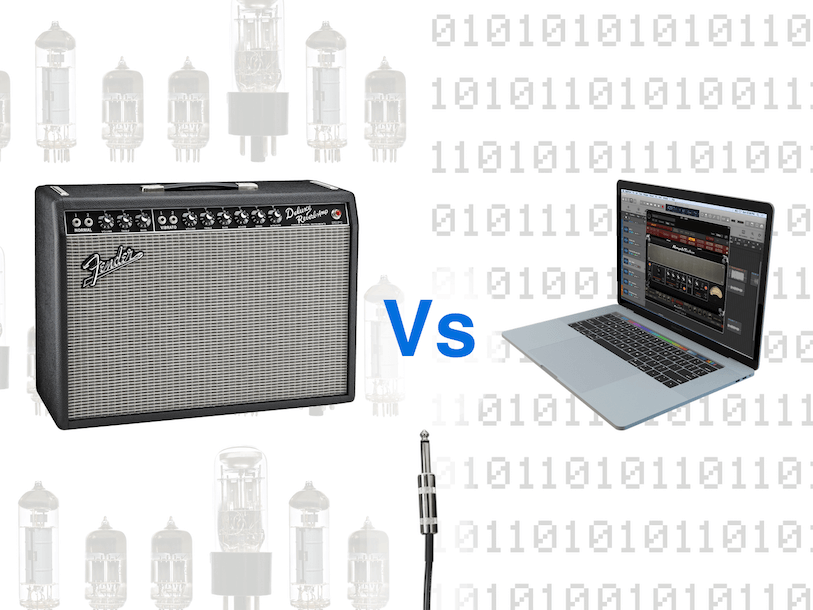
While the plugin market has exploded, offering incredibly affordable and powerful options, dedicated hardware still offers advantages in terms of latency, reliability, and a focused workflow. This comparison isn't about plugins versus hardware, but about the current state of the three leading dedicated amp modeling systems as we head into 2026. Each offers a different approach to achieving authentic guitar tones.
The competition between these three companies is driving innovation at a rapid pace. It benefits the player, giving us more choices and better-sounding gear than ever before. The question isn’t if modeling is good enough, but which modeler is right for you.
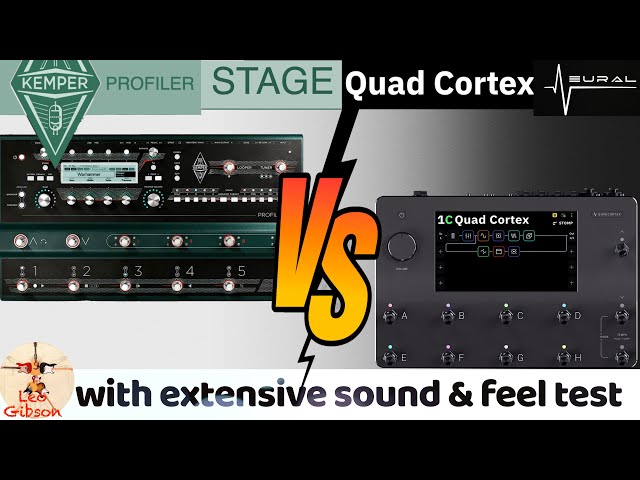
Neural DSP: Algorithmic Purity
Neural DSP has quickly become a force in the amp modeling world, and for good reason. Their core philosophy revolves around using machine learning to meticulously recreate the sound and feel of iconic amplifiers. They don’t just sample an amp; they analyze it, learning its behavior at a fundamental level. This results in an incredibly accurate and responsive playing experience.
The strengths of Neural DSP are immediately apparent, particularly in the high-gain arena. Archetype: Nolly, based on the tones of Polyphia’s Tim Henson, is a prime example – it delivers pristine cleans and searing leads with a clarity that’s hard to believe. Archetype: Plini and Archetype: Gojira showcase this further, offering incredibly detailed and nuanced tones that capture the essence of those artists’ sounds. The Quad Cortex, while not directly a Neural DSP product, utilizes their modeling technology.
Neural DSP's plugins are known for their ease of use. The interfaces are clean and intuitive, making it relatively simple to dial in a desired tone. The ecosystem is also expanding rapidly, with new plugins and features being added regularly. This continuous development is a major draw for many players.
However, Neural DSP isn't without its limitations. Many of their models require a computer and audio interface to run, which adds to the cost and complexity. While they’ve addressed this with the Quad Cortex, it’s still a consideration. Additionally, some users find that Neural DSP excels at replicating existing amps but offers less flexibility for creating truly unique tones outside of their preset-based approach. You’re largely working within their existing sonic palettes.
Kemper: Profiling's Reign
The Kemper Profiler, and now the Profiler Stage, pioneered the concept of "profiling" – capturing the sonic fingerprint of an existing amplifier. It doesn't attempt to model an amp in the traditional sense; instead, it analyzes and recreates its complete response, including the power supply sag and the interaction between the tubes and components.
The biggest strength of the Kemper is its massive library of user-created profiles. The Kemper Cloud is a game-changer, allowing users to easily share and download profiles from around the world. This means you can access a virtually unlimited palette of tones, from vintage Fender cleans to modern high-gain monsters. The versatility is unmatched. You can also 'rig' up a complete signal chain, including cabinets, microphones, and effects.
However, the profiling process itself has a learning curve. While relatively straightforward, it takes time and effort to capture a good profile. Not all profiles are created equal – a poorly executed profile can sound lifeless or unnatural. And while the Kemper offers a lot of control, some players find the tones can sometimes feel a bit sterile or lacking in the organic warmth of a real amp. It can require significant tweaking to get it just right.
The Kemper community is incredibly active and supportive. There’s a wealth of information available online, including tutorials, profiles, and troubleshooting guides. The Kemper Cloud, in particular, fosters a collaborative environment where players can share their creations and learn from each other. It’s a powerful tool for expanding your tonal options.
Fractal Audio: The FM2026 Evolution
Fractal Audio’s FM2026 represents the evolution of their amp modeling technology. It’s a powerhouse of digital signal processing (DSP), capable of delivering incredibly detailed and responsive tones. Unlike Neural DSP and Kemper, Fractal leans heavily into a block-based approach, allowing you to build complex signal chains from the ground up.
The FM2026’s strengths lie in its sheer power and flexibility. The DSP is capable of handling an enormous number of effects and processing tasks simultaneously, without any noticeable latency. The block-based system allows you to create incredibly complex signal chains, with a wide range of effects, amplifiers, and cabinet simulations. The responsiveness is also excellent; the FM2026 reacts to your playing dynamics in a very natural way.
However, that power comes at a cost. The FM2026 has a steep learning curve. The interface can be overwhelming, with a vast number of options and parameters to navigate. It’s easy to get lost in the weeds. And the higher price point puts it out of reach for some players. It's an investment.
Despite the complexity, the Fractal Audio community is incredibly dedicated and resourceful. Players spend countless hours creating and sharing presets, and there’s a wealth of information available online. The Fractal Forum is a valuable resource for learning the ins and outs of the FM2026 and discovering new tonal possibilities. The dedication of the user base is a testament to the unit's potential.
Tone & Feel: A Blind Test?
Describing 'tone' is always subjective, and a truly blind test is nearly impossible due to the psychological impact of knowing what you're playing through. However, we can attempt to objectively observe the nuances of each modeler. Each unit excels in different areas. Neural DSP consistently delivers incredibly accurate high-gain tones, with a clarity and precision that’s hard to fault. Kemper offers a wider tonal palette, but often requires more tweaking to achieve a desired result.
Fractal Audio’s FM2026 provides the most detailed and responsive modeling, but can also sound clinical if not carefully dialed in. The 'feel' of each modeler is also important. Neural DSP feels very immediate and responsive, while Kemper can sometimes feel slightly more detached. Fractal offers a lot of control over the feel, but it requires a deeper understanding of the underlying parameters.
In terms of genres, Neural DSP shines with modern rock and metal. Kemper is incredibly versatile and can handle a wide range of styles, from clean jazz tones to heavy distortion. Fractal excels at complex and nuanced tones, making it a great choice for progressive rock, fusion, and other technically demanding genres. I'm not sure about this one, but it feels like the Fractal is best for players who love to tinker.
Ultimately, the best-sounding modeler is the one that inspires you to play. While each unit has its strengths and weaknesses, they’re all capable of producing incredible tones. The key is to find the one that best suits your individual needs and preferences.
Neural DSP, Kemper, and Fractal – Tonal & Functional Comparison
| Characteristic | Neural DSP | Kemper Profiler | Fractal Audio Axe-FX III |
|---|---|---|---|
| Clean Clarity | Excellent | Good | Excellent |
| Crunch Responsiveness | Good | Excellent | Good |
| High-Gain Articulation | Excellent | Good | Excellent |
| Effects Quality | Good | Good | Excellent |
| Dynamic Range | Good | Excellent | Excellent |
| Ease of Use (Initial Setup) | Average | Good | Average |
| Community Support & Resources | Good | Excellent | Good |
| Versatility (Amp/Cab Options) | Good | Excellent | Excellent |
Illustrative comparison based on the article research brief. Verify current pricing, limits, and product details in the official docs before relying on it.
Workflow & Usability: Daily Practice
Workflow and usability are critical, especially for players who rely on amp modeling for both practice and performance. Neural DSP excels in this area. The plugins are incredibly easy to navigate, and the preset-based approach makes it simple to dial in a desired tone quickly. The Archetype series, in particular, is designed for ease of use.
Kemper’s workflow is more complex, but also more powerful. The profiling process adds an extra layer of complexity, but the ability to access a massive library of user-created profiles makes it worthwhile. The Profiler Stage offers a more streamlined experience than the original Profiler, but still requires a significant investment of time to learn.
Fractal Audio’s FM2026 has the steepest learning curve of the three. The block-based system is incredibly flexible, but can also be overwhelming. It takes time and effort to master the interface and understand the underlying parameters. However, once you’ve learned the system, it’s incredibly powerful.
For live performance, a dedicated foot controller is essential. Kemper and Fractal both offer excellent foot controllers that provide hands-free control over presets and parameters. Neural DSP relies on a computer and MIDI controller, which can be less convenient for live use. The speed and responsiveness of preset switching are also important considerations.
Connectivity & Integration
Connectivity is crucial for integrating these modelers into your existing setup. All three offer a range of I/O options, including guitar inputs, outputs for amps and headphones, and USB connectivity. Neural DSP, when used with plugins, relies on your computer’s audio interface for connectivity.
Kemper and Fractal both offer built-in audio interfaces, allowing you to record directly to your computer via USB. They also support MIDI control, allowing you to integrate them with other gear. Fractal Audio’s FM2026 offers particularly extensive connectivity options, including AES/EBU outputs for professional recording applications.
Compatibility can be an issue with some older gear. It's important to check the specifications of each modeler to ensure it's compatible with your existing equipment. Some users have reported issues with certain audio interfaces or MIDI controllers, so it’s always a good idea to do your research.
Integrating these modelers into a home recording setup is relatively straightforward. The USB connectivity and built-in audio interfaces make it easy to capture high-quality recordings. For a complex stage rig, you’ll need to consider the power requirements and signal routing options.
- Guitar Input
- Main Outputs (for amps or FRFR speakers)
- Headphone Output
- USB Connectivity (for recording and updates)
- MIDI In/Out (for controller integration)
Essential Gear for Your Amp Modeling Journey

High-fidelity, studio-quality recording · Ideal for recording, songwriting, streaming, and podcasting · Includes essential recording software
This audio interface provides a high-quality connection for your amp modeler to your computer, ensuring pristine audio capture for practice, recording, and streaming.

Powered, active monitor speakers · Designed for near-field music production · Suitable for desktop computer and hi-fi audio
These studio monitors offer accurate sound reproduction, allowing you to hear the true character of your amp modeler's output without coloration.

Professional monitoring and recording earphones · Accurate frequency response for critical listening · Adjustable, collapsible design for portability
These studio headphones provide a detailed and honest listening experience, crucial for dialing in your amp modeler's tone and making informed mixing decisions.

USB MIDI footswitch controller · Nektar DAW integration · Control amp modeler presets and parameters
The Nektar Pacer allows for hands-free control of your amp modeling software or hardware, enabling seamless preset switching and parameter adjustments during practice or performance.

Dual 1/4 inch TS connectors · Stereo interconnect cable · 6.6 feet in length
This reliable interconnect cable ensures a solid connection between your amp modeler and your audio interface or monitoring system, preventing signal loss.
As an Amazon Associate I earn from qualifying purchases. Prices may vary.
Long-Term Value & Ecosystem
Considering the long-term value of these modelers is important, given the significant investment involved. Kemper and Fractal have well-established communities and a long history of updates and support. Neural DSP is newer to the market, but has quickly built a strong following and is committed to continuous development.
The resale value of these modelers is generally good, but Fractal tends to hold its value slightly better than Kemper or Neural DSP. The cost of additional content – profiles, presets, and plugins – varies. Kemper profiles are readily available online, often for free or at a low cost. Fractal presets can be more expensive, but often offer a higher level of quality and detail.
Neural DSP operates on a plugin-based model, so you’ll need to purchase individual plugins to expand your tonal palette. They don't have subscription options at this time. Kemper offers the Kemper Cloud, which provides access to a vast library of user-created profiles. Fractal doesn’t have a comparable service. Ultimately, the modeler that offers the most robust ecosystem and support depends on your individual needs and preferences.
No comments yet. Be the first to share your thoughts!