

The sound of 2026
The gig bag felt heavier than usual. Not because of the guitar, but because of the amp. Another night, another load-in, another worry about finding a decent power outlet. It’s a scene familiar to any guitarist who’s spent years hauling tube amps to venues. But a quiet question is starting to creep into the back of our minds: is this all becoming… unnecessary?
Neural amp modeling isn't just another digital simulation. It uses machine learning to map how a circuit actually behaves rather than just taking a static EQ snapshot. By 2026, the math has gotten fast enough that the lag is gone, making it hard to tell the difference between a file and a physical transformer.
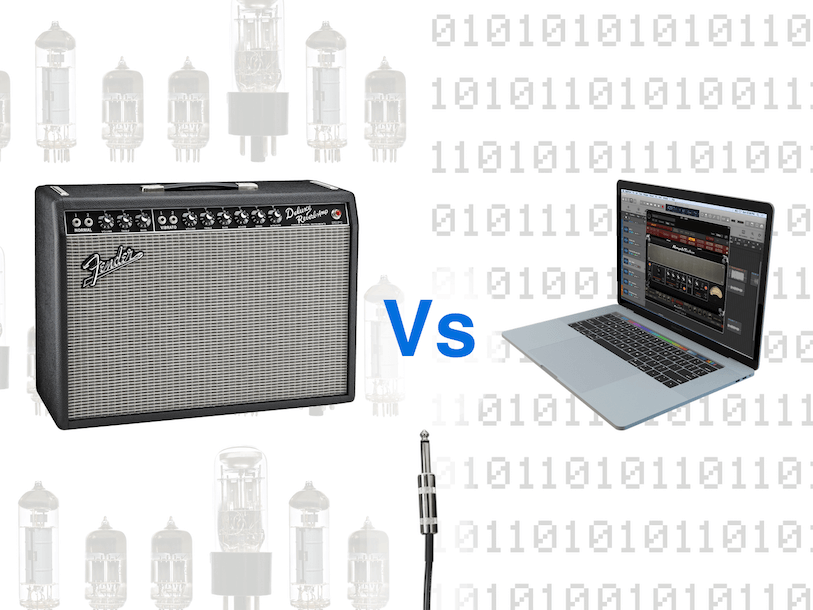
John Nathan Cordy recently explored this very question in a YouTube video, asking if amps are becoming pointless. His perspective, along with the growing community around projects like the open-source Neural Amp Modeler, suggests a significant shift is underway. It’s a dilemma for the modern guitarist: embrace the convenience and power of digital, or hold onto the tradition and tactile experience of the tube amp? This isn’t about declaring a winner; it’s about understanding where we are, and where we’re headed.
How neural modeling works
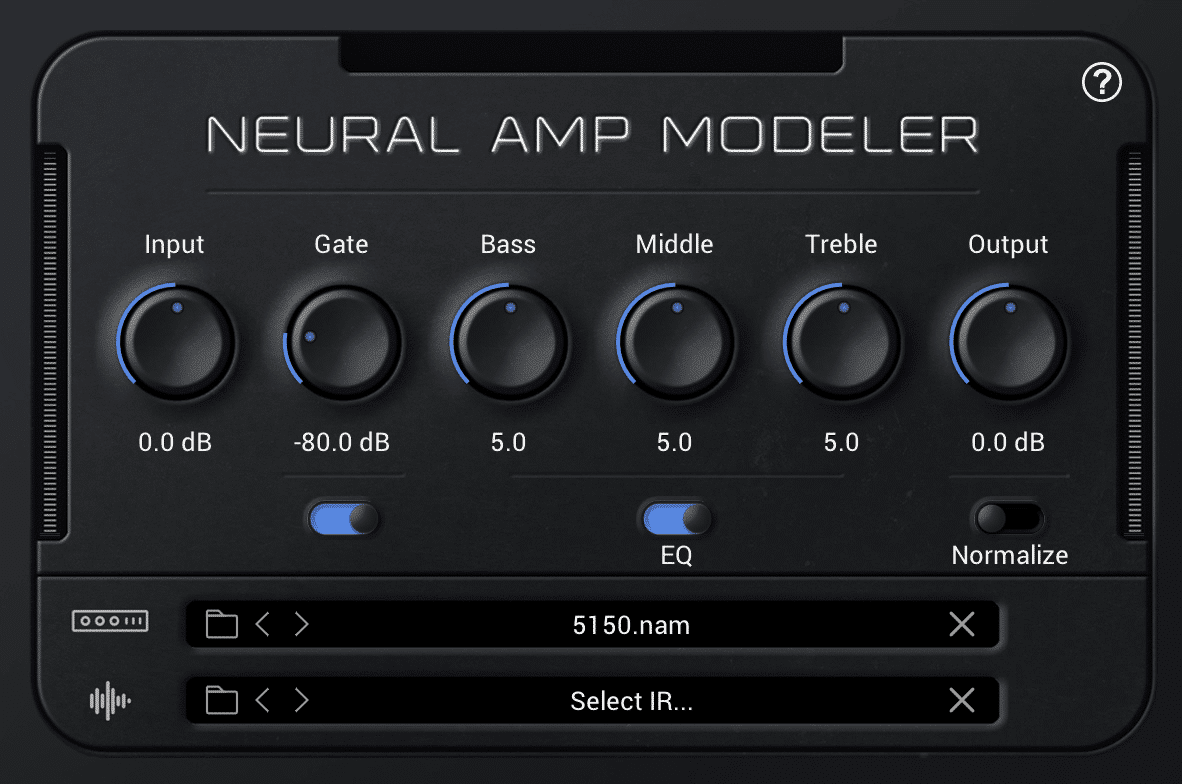
Traditional amp simulation relies heavily on impulse responses (IRs) – essentially snapshots of an amp’s cabinet in a specific space. While IRs can sound good, they often lack the dynamic responsiveness of a real amp. Neural amp modeling takes a different approach. It uses deep learning, a branch of artificial intelligence, to analyze the complex behavior of amplifiers and effects pedals.
Think of it like teaching a computer to "hear’ and ‘understand’ how an amp responds to different frequencies, playing dynamics, and input signals. The software learns the intricate relationships between these factors, creating a model that replicates the amp"s behavior with remarkable accuracy. Neural Amp Modeler is at the forefront of this technology, and its open-source nature has spurred rapid innovation.
NAM isn't just trying to copy the static sound of an amp; it aims to recreate how the amp reacts. This means capturing the subtle nuances of tube saturation, the way the amp compresses and distorts, and the way it interacts with different guitars and pickups. It’s a far more sophisticated approach than simply mimicking the final output.
The Traditional Amp Experience
Let’s be clear: the appeal of a traditional amp goes far beyond just the sound. There’s a tactile experience, a ritualistic quality, to plugging into a tube amp and letting the tubes warm up. The smell, the hum, the slight sag in the power supply – these are all part of the experience.
A good amp isn’t just a sound-shaping tool; it’s an extension of the guitar, responding to your playing dynamics with nuance and sensitivity. The way a Fender Twin Reverb cleans up when you play softly, or the aggressive crunch of a Marshall JCM800 when you dig in – these are characteristics that have defined generations of guitar tones.
There’s also the community aspect. Amp collecting is a serious hobby for many guitarists, and the pursuit of the "perfect’ tone often leads to amp modification, repair, and a deep understanding of electronics. This tradition, this connection to the physical world of music, is something that digital modeling can’t easily replicate. It"s a feeling, a connection to history, and a source of pride for many players.
Is it actually accurate?
The big question, of course, is: how accurate is neural amp modeling? Neural Amp Modeler claims "state-of-the-art accuracy," and anecdotal evidence from users suggests they're getting close. But accuracy is a subjective thing. What sounds good to one person might not sound good to another.
The key difference lies in how NAM attempts to model the amp’s behavior. It doesn’t just copy the frequency response; it tries to replicate the way the amp reacts to different inputs. This means that a NAM model should respond to your playing dynamics, your guitar’s pickups, and even your cable in a way that’s similar to the real amp.
Objective testing is difficult, but developers are constantly refining the algorithms and training the models with more data. The open-source nature of NAM is crucial here, allowing a global community to contribute to its improvement. While it’s unlikely that neural amp modeling will ever be indistinguishable from a real amp, it’s getting closer all the time. The ability to capture the subtle nuances of tube saturation and dynamic response is a significant achievement.
The logistics of gigging
This is where neural amp modeling really pulls ahead. The practical advantages are undeniable. Carrying a laptop and an audio interface is significantly easier than hauling a heavy amp and a cabinet. For gigging musicians, this can be a game-changer.
The cost savings are also substantial. Instead of spending thousands of dollars on multiple amps and pedals, you can access a vast library of sounds for a fraction of the price. And, of course, the convenience of silent practice with headphones is a huge benefit for anyone who needs to practice at home without disturbing others.
John Nathan Cordy’s video highlights this perfectly. He points out that the needs of guitarists are changing. We’re living in a more mobile world, and we need tools that can keep up. The ability to have a world-class rig at your fingertips, wherever you are, is a compelling argument for embracing neural amp modeling.
- Your back will thank you; a laptop weighs less than a 60-pound 2x12 combo.
- You can play a Dumble or a Klon for free instead of taking out a second mortgage.
- Silent practice capabilities with headphones
- Instant access to a wide range of tones
Featured Products

High-fidelity, studio-quality recording · Suitable for recording, songwriting, streaming, and podcasting · Includes comprehensive software bundle
This interface provides the low latency and pristine sound quality essential for capturing the nuances of neural amp modelers, offering guitarists a versatile and high-fidelity digital rig.
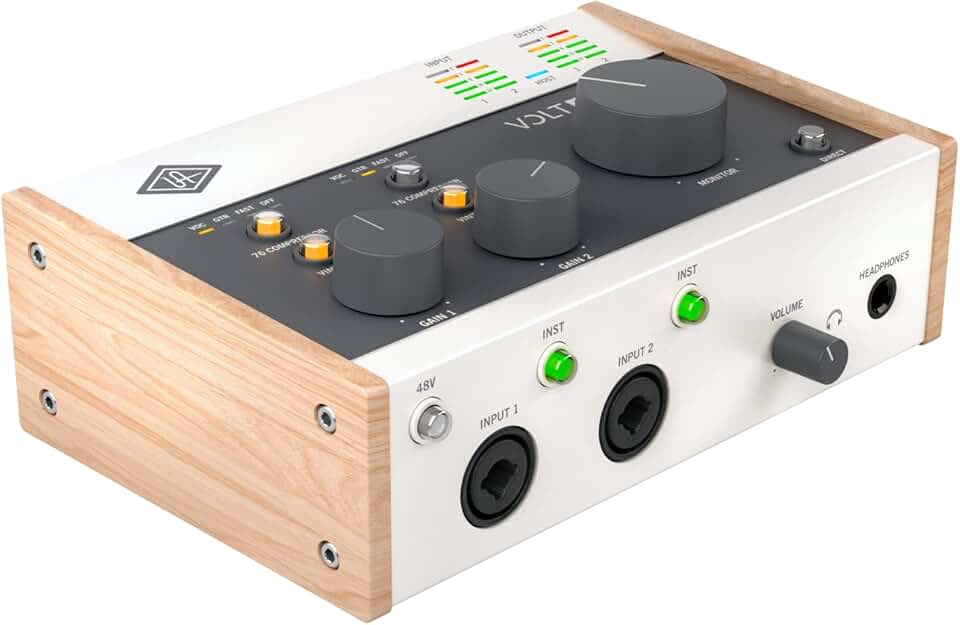
Vintage-style analog sound · Built-in 76 compressor · High-quality mic preamps
This interface provides the low latency and pristine sound quality essential for capturing the nuances of neural amp modelers, offering guitarists a versatile and high-fidelity digital rig.

24-bit/96kHz audio resolution · Includes Studio One Artist DAW software · Durable construction
This interface provides the low latency and pristine sound quality essential for capturing the nuances of neural amp modelers, offering guitarists a versatile and high-fidelity digital rig.

Class A console microphone preamp · High-speed USB-C connectivity · Monitor Mix and Monitor Panning functions
This interface provides the low latency and pristine sound quality essential for capturing the nuances of neural amp modelers, offering guitarists a versatile and high-fidelity digital rig.

High-resolution 192 kHz recording · Clear ESS converters · Webcam-style loopback for streaming
This interface provides the low latency and pristine sound quality essential for capturing the nuances of neural amp modelers, offering guitarists a versatile and high-fidelity digital rig.
As an Amazon Associate I earn from qualifying purchases. Prices may vary.
The software ecosystem
Neural amp modeling isn’t just about the core technology; it’s about the ecosystem that surrounds it. A growing number of plugins and software packages are leveraging neural networks to create incredibly realistic amp and pedal models. These plugins often integrate seamlessly with digital audio workstations (DAWs), allowing for endless customization and experimentation.
Because NAM is open-source, you aren't stuck with factory presets. Users upload thousands of specific rigs—like a 1964 Deluxe Reverb pushed to 6—to sites like ToneHunt. It's a massive, free library that grows every time someone mics up their own vintage gear.
Beyond the plugins themselves, there’s a growing market for impulse responses (IRs) specifically designed to work with neural amp models. These IRs can further refine the sound and add a level of realism that wasn’t possible before. It’s a dynamic and evolving landscape, with new tools and resources appearing all the time.
What happens next
The future of amp technology is uncertain, but one thing is clear: neural amp modeling is here to stay. As the technology continues to improve, we can expect to see even more accurate and realistic models. The line between digital and analog will continue to blur.
Will traditional amps become niche products? Perhaps. But there will always be guitarists who value the unique character and tactile experience of a tube amp. More likely, we’ll see hybrid solutions that combine the best of both worlds – digital modeling with analog components, or amps that incorporate neural networks to enhance their sound.
The true "dilemma’ isn’t about choosing a side. It"s about finding the tools that best suit your needs, your playing style, and your creative vision. And in 2026, guitarists have more options than ever before.
Neural Amp Modelers vs. Traditional Amps: A Comparative Overview (2026)
| Criterion | Neural Amp Modelers | Traditional Amps |
|---|---|---|
| Cost | Low to Medium (Free options available, software/hardware costs vary) | Medium to High (Significant initial investment and potential for repair costs) |
| Portability | High (Software-based, can be used with laptops, tablets, and mobile devices) | Low (Generally heavy and bulky, requiring dedicated transport) |
| Sound Quality | Medium to High (Accuracy improving rapidly with advancements in neural networks; dependent on quality of impulse responses and digital-to-analog conversion) | Medium to High (Highly regarded for warmth, dynamic response and complex harmonic content) |
| Ease of Use | Medium (Requires some technical understanding of software and digital audio workstations, but interfaces are becoming more user-friendly) | Low to Medium (Generally straightforward, but requires understanding of amplifier settings and tube technology) |
| Maintenance | Low (No tubes to replace, minimal physical maintenance) | Medium to High (Requires regular tube replacement, potential for component failure and repairs) |
| Customization | High (Extensive options for modifying tones through software parameters and impulse response loading) | Medium (Limited to the amplifier's physical controls and potential for speaker/tube swaps) |
| Environmental Impact | Low (Reduced manufacturing and material waste compared to traditional amps) | Medium to High (Manufacturing process and disposal of tubes contribute to environmental impact) |
Illustrative comparison based on the article research brief. Verify current pricing, limits, and product details in the official docs before relying on it.
In 2026, what percentage of your guitar rig is digital (modeling amps, plugins, neural amp modelers, etc.)?
The line between digital and analog guitar tone continues to blur. Whether you are a die-hard tube amp loyalist or have fully embraced neural amp modeling technology, we want to know where you stand. Vote below and let the Guitars Republic community see how guitarists are building their rigs in 2026.
No comments yet. Be the first to share your thoughts!