

Guitars at a Glance: 2026 Trends
Guitars in 2026 continue trends toward versatility and digital integration. Martin showed acoustic innovations, while BOSS and Blackstar focused on electric amp modeling and effects. A recap from Best of Guitars at NAMM 2026 is available on YouTube.
Sustainability is a growing theme, with smaller builders exploring alternative tonewoods and eco-friendly finishes. Roasted woods are gaining traction for their tonal qualities, stability, and reduced reliance on slow-growing traditional woods.
Stylistically, crossover is common. Players seek guitars for various genres, from jazz to metal, and builders are responding with versatile tonal options, especially in electric guitars with adaptable pickups and switching systems. Guitar Center's NAMM 2026 coverage noted this trend.
Acoustic guitars are shifting to modern designs with thinner bodies and comfortable necks for extended playability. Electric guitars also feature improved neck shapes and fretboard radii. Guitarists have more choices than ever.
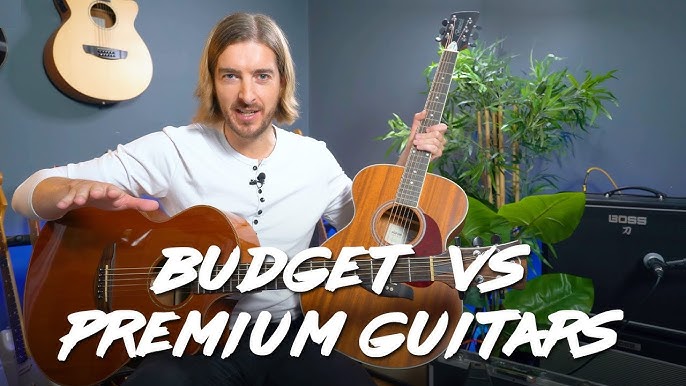
Defining 'Budget': Where Does the Line Fall?
Defining 'budget' in 2026 considers inflation's impact on guitar prices. The ranges are: under $500 for entry-level, $500-$1000 for value, and $1000-$1500 for instruments approaching professional grade.
Guitars under $500 typically have laminate construction and basic hardware, though playability can be surprisingly good. The $500-$1000 range offers improved build quality, solid tops on acoustics, and better hardware on electrics, suitable for gigging and recording.
The $1000-$1500 bracket often includes all-solid wood construction, higher-end pickups, and refined appointments, offering performance rivaling more expensive instruments. A well-maintained vintage guitar around $800 can outperform a new $1200 model.
Ultimately, 'budget' depends on your needs. Focus on an instrument that feels and sounds good, prioritizing value and performance for the price.
- Under $500: Entry-level
- $500-$1000: Sweet spot for value
- $1000-$1500: Bridging the gap to professional-grade
Guitar Feature Comparison by Price Tier (2026)
| Price Range | Body Wood | Pickups | Hardware | Typical Player Level |
|---|---|---|---|---|
| $0 - $500 | Often Laminate (Basswood, Poplar), sometimes Mahogany | Typically Ceramic Magnet Pickups, Humbucker or Single-Coil style | Chrome Plated, often imported | Beginner - Early Intermediate |
| $500 - $1000 | Solid Tonewoods more common (Alder, Ash, Mahogany), may include some Laminates | Ceramic or Alnico Magnet Pickups, wider variety of configurations | Improved Chrome or Nickel Hardware, potentially better tuning stability | Intermediate |
| $1000 - $1500 | Solid Tonewoods (Alder, Ash, Mahogany, Maple), often with figured tops | Alnico Magnet Pickups common, potential for higher-output or vintage-voiced options | Higher-Quality Tuners, Bridge, and Nut Materials; improved sustain | Intermediate - Advanced |
| $1500 - $2500 | Premium Solid Tonewoods (Rosewood, Maple, Korina), often with careful selection for tonal properties | Variety of Pickup Types (Humbuckers, Single-Coils, P90s) with high-quality components | Premium Hardware (e.g., Locking Tuners, High-End Bridges), enhanced reliability | Advanced - Professional |
| $2500+ | Highly Selected Tonewoods (Rosewood, Mahogany, Maple, exotic woods), often with figured tops | Boutique or High-End Pickups, hand-wound options, specific tonal characteristics | Top-Tier Hardware (e.g., Gotoh, Schaller), maximum stability and performance | Professional - Collector |
Illustrative comparison based on the article research brief. Verify current pricing, limits, and product details in the official docs before relying on it.
Budget Guitar Standouts: Under $800
For budget-conscious players, Yamaha's Pacifica series offers excellent value. The Pacifica 112V, around $300-$400, is a versatile starting point for many styles.
Squier offers quality for the money, with the Classic Vibe series (around $400-$600) providing vintage designs and good tone. Epiphone's Les Paul Standard models (around $500-$700) are reliable choices for Les Paul or SG styles.
The Yamaha FG800 ($250-$350) is a top-rated solid-top acoustic-electric, suitable for practice and performance. The Cordoba C5 ($300-$400) is a popular classical guitar choice with good build quality and tone.
Consider emerging brands like Harley Benton, which offer affordable guitars with many features, though build quality may vary compared to Yamaha or Squier. Research is recommended before purchasing.
Featured Products
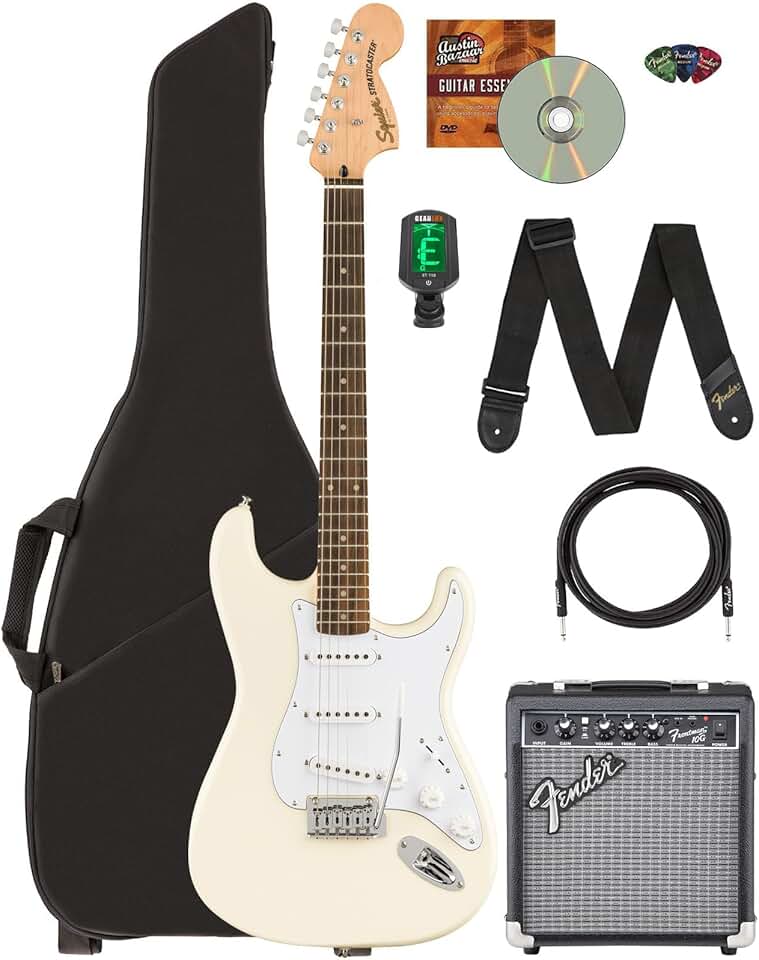
Versatile Stratocaster sound · Includes essential accessories for immediate play · Reliable Fender quality at an accessible price point
This bundle provides a complete starter package with a reputable Stratocaster model, making it an excellent value for new players.

Classic Les Paul style and tone · Satin finish for a smooth playing feel · Affordable entry into the Les Paul family
An exceptionally budget-friendly option that delivers the iconic Les Paul look and sound, perfect for absolute beginners.

Humbucker and two single-coil pickups for tonal versatility · Comfortable neck profile for easy playing · Renowned Yamaha build quality and reliability
The Yamaha Pacifica is a long-standing favorite for its exceptional playability, build quality, and versatile sound, ideal for progressing players.

Fast neck profile suitable for modern playing styles · Humbucker pickups for powerful sound · Stylish Ibanez design
The Ibanez GIO offers a fast playing experience and modern aesthetics, making it a solid choice for beginners interested in rock and metal genres.
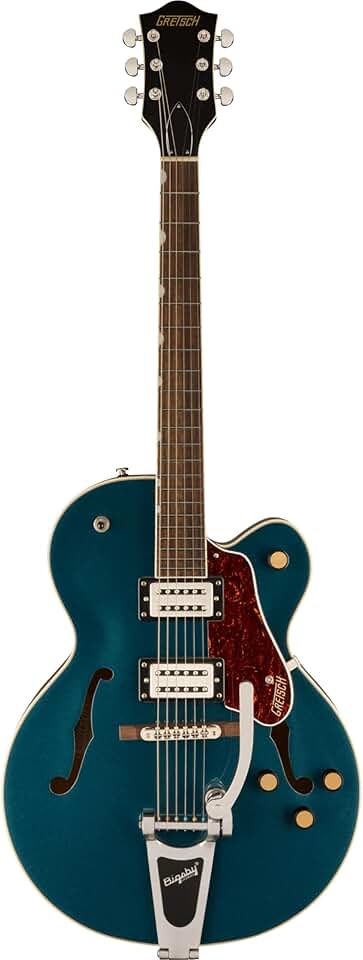
Classic hollowbody construction for warm, resonant tone · Bigsby vibrato tailpiece for expressive pitch bending · Distinctive Gretsch styling
This hollowbody offers a unique tonal character and vintage appeal, providing a premium feel and sound for intermediate players seeking a different voice.
As an Amazon Associate I earn from qualifying purchases. Prices may vary.
Premium Guitar Innovations: What’s New?
Premium guitar innovation continues in 2026. Martin refines bracing patterns, building on their V-Class system with variations for different body sizes and tonewoods to enhance tone and projection, as seen at NAMM 2026.
Electric guitar builders focus on new pickup and electronic innovations. Blackstar's amp modeling advancements offer diverse tones. Active electronics are trending for greater tone and dynamic range control. Boutique builders experiment with unconventional materials and designs.
Customization is increasingly important, with many premium builders offering options for wood, neck profiles, pickups, and finishes. Fender Custom Shop leads in customization, with other builders providing similar services.
Sustainability influences the premium market, with builders exploring alternative tonewoods and eco-friendly finishes. These materials may differ tonally from traditional woods but show a commitment to environmental responsibility. This trend is expected to continue.
Premium Picks: Guitars Worth the Investment
Premium guitar options are extensive. Fender Custom Shop guitars offer high craftsmanship, quality, and customization. A Custom Shop Stratocaster or Telecaster, costing upwards of $5000, provides exceptional tone, playability, and collectability.
undefined Les Paul and ES-335 models, are also highly sought-after. A vintage Les Paul in good condition can fetch a very high price, but even newer Gibson models offer exceptional quality and tone. Expect to pay at least $3000 for a high-end Gibson. Martin acoustics are legendary for their rich tone and projection. Their D-28 and D-18 models are considered classics, and they hold their value exceptionally well.
Beyond the big names, there are a number of boutique builders who are producing exceptional instruments. Paul Reed Smith guitars are known for their stunning aesthetics and exceptional playability. Collings guitars are highly regarded for their meticulous craftsmanship and attention to detail. These guitars typically cost between $4000 and $8000, depending on the model and specifications.
Investing in a premium guitar is a personal decision. It’s important to consider your playing style, your musical goals, and your budget. A premium guitar should inspire you to play and help you reach your full potential. It’s not just an instrument; it’s an investment in your musical journey.
Featured Products

Deep body contours for enhanced comfort · New pickupvoiced for clarity and punch · 22 frets for extended range
This premium Stratocaster offers exceptional playability and a versatile, iconic tone, making it a lifelong investment for discerning players.

Mahogany body with carved maple top · Alnico Classic PRO humbuckers · Locking Tune-o-matic bridge and stopbar tailpiece
This Les Paul Tribute Plus provides classic Les Paul feel and sound at an accessible price point, ideal for those seeking premium features on a budget.

Mahogany body with maple top · PRS-designed 85/15 "S" pickups · Wide Thin maple neck
The PRS SE Custom 24 offers outstanding value, combining premium aesthetics, versatile tones, and excellent playability for musicians of all levels.

Spruce top with East Indian rosewood back and sides · Scalloped forward-shifted bracing · Mahogany neck with ebony fingerboard
This meticulously crafted Martin HD-28 delivers legendary dreadnought tone and resonance, representing a pinnacle acoustic instrument for serious players.
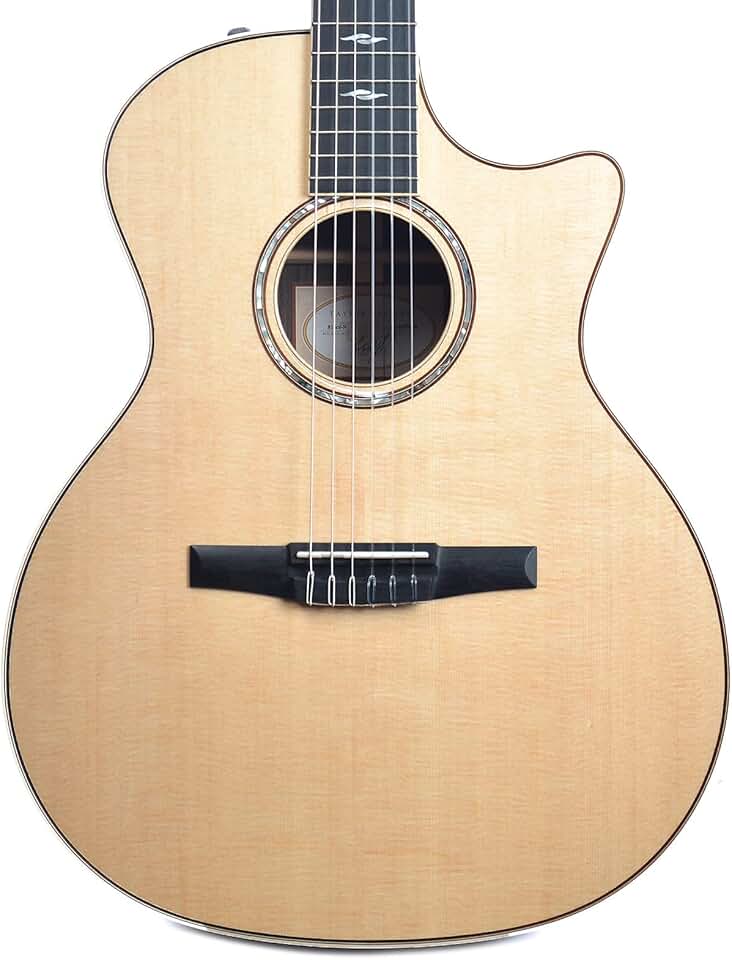
Sitka spruce top with Indian rosewood back and sides · Expression System 2 electronics · Tropical mahogany neck with ebony fingerboard
The Taylor 814ce-N is a premium nylon-string guitar offering exquisite tone, refined playability, and advanced electronics for the discerning performer.
As an Amazon Associate I earn from qualifying purchases. Prices may vary.
Beyond the Guitar: Hidden Costs
The cost of a guitar doesn't end at the purchase price. There are a number of additional expenses to consider. A good quality amplifier is essential for electric guitars, and prices can range from $200 for a basic practice amp to $2000 or more for a professional-grade amp. You’ll also need cables, picks, a strap, and a case.
Acoustic guitars require different accessories. A humidifier is essential for maintaining the proper humidity level, especially in dry climates. A capo can be useful for changing keys, and a tuner is essential for keeping your guitar in tune. You may also want to invest in a stand or a gig bag.
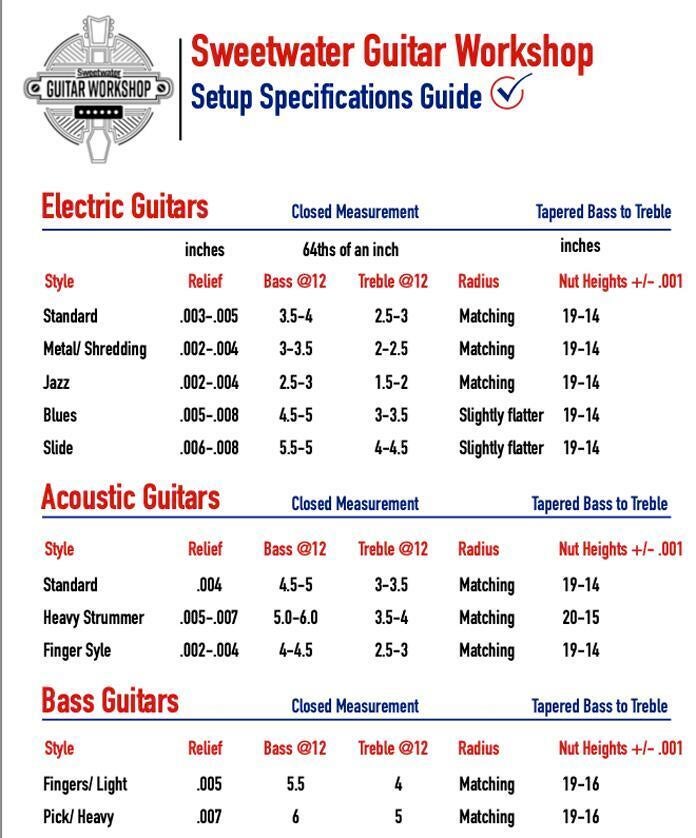
Lessons are another significant expense. A good guitar teacher can help you develop proper technique and avoid bad habits. Lessons typically cost between $40 and $100 per hour. Finally, don’t forget about maintenance. Guitars require regular setups, string changes, and occasional repairs. These costs can add up over time.
As a rough estimate, a budget setup (guitar, amp, accessories, lessons) could cost around $800-$1500, while a premium setup could easily exceed $3000-$5000. It's important to factor these costs into your budget before making a purchase.
- Amplifier (electric guitars)
- Cables
- Picks
- Strap
- Case
- Humidifier (acoustic guitars)
- Capo (acoustic guitars)
- Tuner
- Stand/Gig Bag
- Lessons
- Setup/Maintenance
Skill Level & Guitar Choice: Matching Needs
Choosing the right guitar depends heavily on your skill level. For complete beginners, playability is paramount. A guitar with a comfortable neck profile and low action will make learning much easier. A smaller-bodied acoustic or a Squier Stratocaster are good choices. Don’t worry about fancy features or high-end pickups at this stage – focus on developing basic technique.
Intermediate players can start to explore guitars with more advanced features. A solid-top acoustic with a built-in pickup can be a versatile option. An Epiphone Les Paul or a Yamaha Pacifica can provide a wider range of tones. Experiment with different pickup configurations and switching systems to find what suits your style.
Advanced players will have a clear idea of what they’re looking for. They may prefer a specific brand or model, or they may want a custom-built guitar. At this level, the focus is on tone, playability, and craftsmanship. A Fender Custom Shop Stratocaster or a Martin D-28 are examples of guitars that cater to the needs of advanced players.
Ultimately, the best guitar for you is the one that feels the most comfortable and inspires you to play. Don’t be afraid to try out different guitars and see what works best for you. A guitar should be a tool that helps you express yourself musically.
What Guitar is Right For You?
Choosing a guitar can be exciting, but also overwhelming! This quiz will help narrow down the best type and price range for your needs, based on your musical tastes, skill level, and budget. Answer honestly to get a personalized recommendation.
Resale Value: Will It Hold Up?
Resale value is an important consideration, especially if you’re investing a significant amount of money in a guitar. Certain brands and models consistently hold their value better than others. Fender and Gibson guitars are generally considered to be good investments, particularly vintage models or limited-edition releases.
Martin acoustics also tend to hold their value well, especially the D-28 and D-18 models. Boutique guitars from reputable builders can also appreciate in value over time, but this is less predictable. Condition is a crucial factor. A well-maintained guitar will always fetch a higher price than one that’s been neglected.
Rarity also plays a role. Limited-edition guitars or guitars with unique features are often more desirable to collectors. Modifications can sometimes decrease resale value, but they can also increase it if they’re done professionally and enhance the instrument’s tone or playability.
It’s important to remember that resale value is not guaranteed. Market trends can change, and the value of a guitar can fluctuate over time. However, by choosing a reputable brand and maintaining your guitar in good condition, you can maximize its resale potential.
No comments yet. Be the first to share your thoughts!