
Guitar Learning's AI Shift
For decades, learning guitar followed a pretty standard path: lessons with a teacher, instructional books, and a whole lot of practice. It worked, but it wasn’t always accessible or affordable. Now, things are changing rapidly. Artificial intelligence is starting to reshape guitar education, offering new ways to learn and improve. We’re seeing a surge in apps designed to augment – not replace – traditional learning methods.
The limitations of traditional methods are clear. Private lessons can be expensive, and finding a qualified instructor isn't always easy. Group classes can lack personalized attention. Self-teaching with books or online videos requires significant self-discipline and can lead to ingrained bad habits. AI-powered apps aim to bridge these gaps, providing affordable, accessible, and personalized feedback.
This article focuses specifically on apps. While AI is being integrated into music production software and other areas, we’re concentrating on tools designed for direct guitar instruction and practice. This means apps that listen to your playing, analyze your technique, and guide you toward improvement. It’s a fast-moving field, and 2026 promises even more sophisticated tools.
I think the biggest shift is the potential for truly individualized learning. No two guitarists learn the same way, and AI can adapt to your pace, style, and goals in a way that a one-size-fits-all approach simply can't. It’s about making learning more efficient, more engaging, and more effective.
Core AI Features: What to Expect
The term 'AI' gets thrown around a lot, so it’s important to understand what these apps actually do. It’s not about a sentient program teaching you chords. Instead, it’s about leveraging algorithms to analyze your playing and provide targeted feedback. The core of most of these apps revolves around real-time audio analysis.
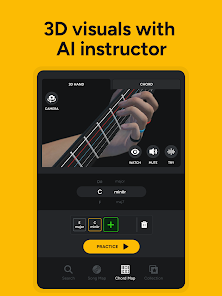
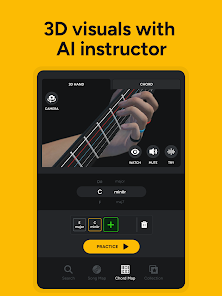
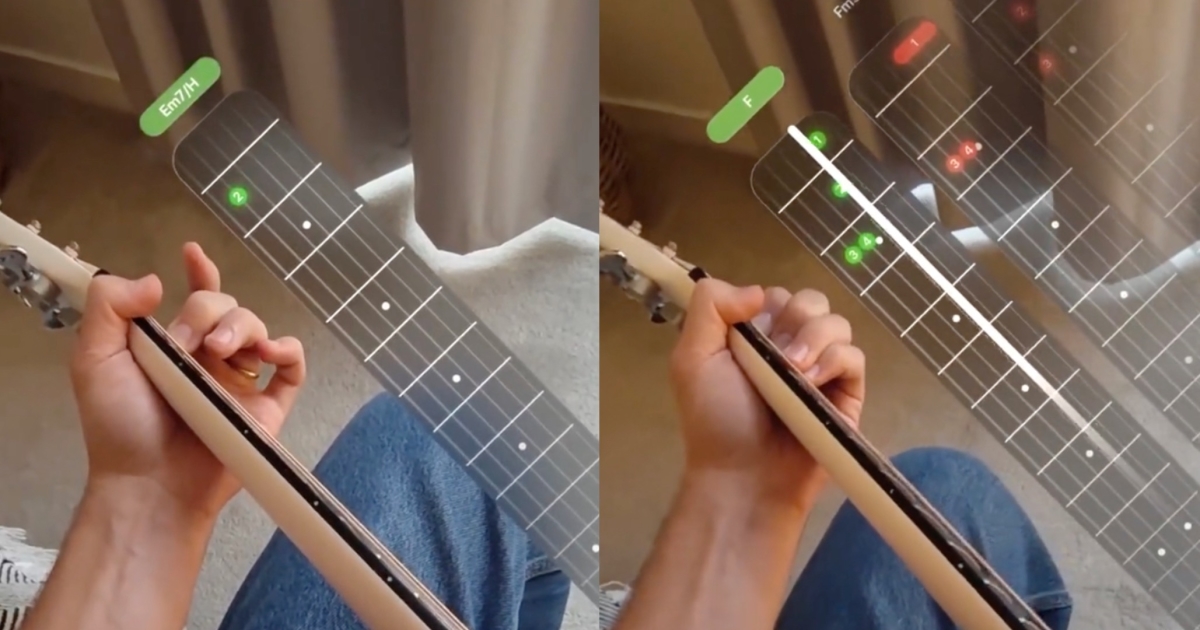
Real-time feedback is perhaps the most impactful feature. Apps use pitch detection algorithms to determine if you're hitting the correct notes, timing analysis to assess your rhythm, and even strumming pattern recognition to evaluate your technique. These algorithms aren’t perfect, but they’re getting better at identifying errors and offering suggestions for improvement. Many apps visually represent this feedback, showing you exactly where you’re going wrong.
Personalized learning paths are another key element. Instead of following a rigid curriculum, the app adapts to your progress and adjusts the difficulty accordingly. This often involves adaptive learning algorithms that identify your strengths and weaknesses and focus on areas where you need the most help. The apps can also suggest exercises and songs tailored to your skill level.
Chord and tab recognition is also becoming increasingly common. You can input a song, and the app will automatically generate chords and tablature. Some apps even allow you to play a chord, and they’ll identify it for you. Auto-accompaniment features, where the app provides a backing track as you play, are also available, offering a more immersive practice experience. Finally, AI-driven song recommendations can help you discover new music that matches your skill level and musical tastes.
- Pitch Detection: Analyzes the accuracy of your notes.
- Timing Analysis: Evaluates your rhythm and tempo.
- Strumming Pattern Recognition: Assesses the accuracy and consistency of your strumming.
- Adaptive Learning: Adjusts the difficulty based on your progress.
- Chord/Tab Recognition: Automatically generates or identifies chords and tablature.
Top AI Guitar Apps of 2026
The market for AI-powered guitar learning apps is becoming increasingly competitive. Here’s a look at some of the leading contenders in 2026, each with its own strengths and weaknesses. It’s important to note that "best" is subjective; the right app for you will depend on your individual needs and learning style.
FretSpark has established itself as a top choice for beginners. It offers a gamified learning experience with a focus on building fundamental skills. Its real-time feedback is particularly strong, providing clear visual cues to help you correct your technique. FretSpark’s subscription model is tiered, with a basic free version and premium options unlocking more content and features. It’s particularly good for learning chords and basic strumming patterns.
Chordify Pro remains a popular option for song learning. It excels at automatically generating chords and tablature for a vast library of songs. While its real-time feedback isn’t as sophisticated as FretSpark’s, it's a great tool for learning to play your favorite songs quickly. Chordify Pro’s strength is its sheer song catalog and ease of use. It's available on iOS, Android, and web.
Yousician, while not new, continues to evolve with AI enhancements. It offers a more comprehensive curriculum than some of the other apps, covering a wider range of skills and genres. Yousician’s interactive lessons and gamified challenges make learning fun and engaging. It’s a solid all-around option, particularly for those who want a structured learning path. They’ve invested heavily in improving their pitch detection accuracy.
ToneGym AI is a newer entrant focused on ear training and technique development. It uses AI to create personalized practice routines tailored to your specific weaknesses. ToneGym AI is particularly useful for intermediate and advanced players who want to refine their skills. It's more focused on focused practice exercises than song learning.
GuitarTuna AI, originally known for its tuning app, has expanded into full-fledged guitar instruction. Its AI-powered chord recognition and learning tools are surprisingly effective. It’s a good option for those who want a simple, affordable, and easy-to-use app. It’s particularly strong in providing visual feedback on finger placement.
JamStack AI is unique. It focuses on learning through improvisation and jamming along with AI-generated backing tracks. It’s a great tool for developing your musicality and creativity. It’s best suited for intermediate and advanced players who are comfortable improvising.
Accuracy & Limitations: The Current State
Despite the advancements in AI, these apps aren't flawless. Accuracy remains a significant challenge, particularly when dealing with complex chords, fast passages, or noisy environments. Apps can sometimes misinterpret chords, especially those with subtle variations or inversions. Fast playing can also confuse the algorithms, leading to inaccurate feedback.
Environmental noise is another factor. Background sounds can interfere with the app’s ability to accurately analyze your playing. This is especially true for apps that rely solely on your device’s microphone. Using a dedicated audio interface can improve accuracy, but it adds to the cost and complexity.
Developers are actively working to address these limitations. Improved algorithms, machine learning techniques, and better noise cancellation are all contributing to increased accuracy. Some apps now allow you to calibrate the app to your specific guitar and playing style, further improving performance. However, it’s important to remember that these apps are still tools, and they should be used in conjunction with other learning resources.
I think managing expectations is key. These apps are great for identifying general areas for improvement, but they shouldn’t be relied upon for 100% accurate feedback. A human teacher can provide more nuanced and personalized guidance, especially when it comes to subtle technique issues.
Beyond the Basics: Emerging Trends
The future of AI-powered guitar learning is looking incredibly exciting. We’re already seeing glimpses of what’s to come, and the next few years promise even more innovation. One key trend is integration with Digital Audio Workstations (DAWs). Imagine an app that can analyze your playing and automatically create loops or backing tracks within your DAW.
AI-powered composition tools are also on the horizon. These tools could help you write your own songs, generate chord progressions, or even create entire arrangements. They could be particularly useful for songwriters who are looking for inspiration or assistance.
Personalized practice routines based on biometric data are a more speculative but potentially transformative trend. Imagine an app that monitors your heart rate and stress levels and adjusts the difficulty of the exercises accordingly. This could help you optimize your practice sessions and avoid burnout. It’s a complex area, and ethical considerations surrounding data privacy would need to be addressed.
We're also likely to see more sophisticated AI-driven guitar effects. Apps that can analyze your playing style and automatically suggest appropriate effects or create custom tones. This could open up new creative possibilities for guitarists of all levels.
Hardware & Compatibility
Hardware requirements and compatibility vary depending on the app. Most apps are available for iOS and Android devices, but some may also have desktop versions for Mac or PC. It's crucial to check the app’s system requirements before you download it to ensure it’s compatible with your device.
Many apps rely on your device’s built-in microphone, but using a dedicated audio interface can significantly improve accuracy. A USB audio interface will provide a cleaner signal and reduce background noise. Interfaces like the Focusrite Scarlett Solo or the iRig 2 are popular choices.
Compatibility with different types of guitars is generally not an issue. Most apps can work with acoustic, electric, and classical guitars. However, some apps may have specific features that are optimized for certain types of guitars. For example, an app designed for electric guitar may include features for analyzing distortion or effects.
Consider your workflow. If you want to record your playing, you’ll need an audio interface and recording software. If you want to use the app with a DAW, make sure it’s compatible with your DAW’s input settings.
AI-Powered Guitar Learning App Compatibility - 2026
| App Name | iOS Support | Android Support | Mac Support | PC Support | Requires Interface |
|---|---|---|---|---|---|
| Fender Play | Yes | Yes | Yes | Yes | No |
| Yousician | Yes | Yes | Yes | Yes | Yes |
| Guitar Tricks | Yes | Yes | Partial | Yes | No |
| JustinGuitar | Yes | Yes | No | No | No |
| Ultimate Guitar Tabs & Chords | Yes | Yes | No | No | No |
| Songsterr | Yes | Yes | Partial | Yes | No |
Illustrative comparison based on the article research brief. Verify current pricing, limits, and product details in the official docs before relying on it.
Cost & Subscription Models
Pricing structures for AI guitar learning apps vary widely. Some apps are free with in-app purchases, while others are subscription-based or require a one-time purchase. Free apps typically offer limited features, with the option to unlock more content through in-app purchases. Subscription models typically offer access to all features for a monthly or annual fee.
FretSpark offers a free version with limited lessons, a monthly subscription for $9.99, and an annual subscription for $79.99. Yousician has a similar tiered structure, with pricing starting at $19.99 per month. Chordify Pro is available for a one-time purchase of $79.99. ToneGym AI offers a limited free version and a Pro subscription for $14.99 per month.
When choosing an app, consider what features are essential for you. If you’re a beginner, a free app with basic lessons may be sufficient. If you’re a more advanced player, you may want to invest in a subscription-based app with more advanced features. Always read the fine print to understand what you’re getting for your money.
The Future of AI & Guitar
The integration of AI into guitar learning is still in its early stages, and the potential for future development is enormous. I believe that in the next 5-10 years, we’ll see AI become an even more integral part of the learning process. AI could eventually be able to provide truly personalized instruction that rivals a human teacher, adapting to your learning style, identifying your weaknesses, and providing targeted feedback.
However, there are also ethical considerations to address. Copyright issues surrounding AI-generated music and the potential for AI to displace human teachers are important concerns. It’s crucial to ensure that AI is used responsibly and ethically in the music industry.
Despite these challenges, I’m optimistic about the future of AI and guitar. This technology has the potential to make learning guitar more accessible, engaging, and effective for millions of people around the world. It’s about empowering musicians, not replacing them. The best results will likely come from combining AI-powered tools with traditional learning methods and the guidance of experienced teachers.
Ultimately, the goal is to help guitarists of all levels reach their full potential. And I think AI has a significant role to play in achieving that goal.
How do you see AI impacting guitar learning in the future?
AI-powered practice tools are evolving rapidly, and we want to hear from the Guitars Republic community. Whether you are a seasoned player or just starting out, your perspective matters. Vote below and share your thoughts in the comments!

No comments yet. Be the first to share your thoughts!