

The state of modeling in 2026
Digital modeling is no longer a compromise. By 2026, the gap between a tube head and a processor has mostly closed. Most touring pros I see are swapping 80-pound road cases for floorboards or laptops. It isn't just about convenience anymore; the processing power available now actually captures the sag and grit we used to think was exclusive to glass bottles.
We've seen a clear shift in how these tones are delivered. The days of bulky rackmount units are largely behind us, replaced by powerful floorboard processors and increasingly sophisticated software plugins. This change has made high-quality amp modeling accessible to a wider range of players, from bedroom enthusiasts to touring professionals. The market is currently dominated by three key players: Neural DSP, Kemper, and Line 6, each offering a unique approach to capturing and recreating the sound of guitar amplification.
Neural DSP has quickly gained prominence by focusing on an incredibly detailed and realistic approach to amp simulation, prioritizing the feel of an amplifier as much as its sonic characteristics. Kemper, with its innovative profiling technology, allows players to capture the sound of their own amps or download profiles created by others. Line 6, a long-time innovator in the digital guitar space, offers a comprehensive ecosystem known for its versatility and ease of use. This isn’t simply about replacing traditional amplifiers, though. It’s about expanding creative possibilities, offering new tools for sound design, and providing reliable solutions for gigging musicians.
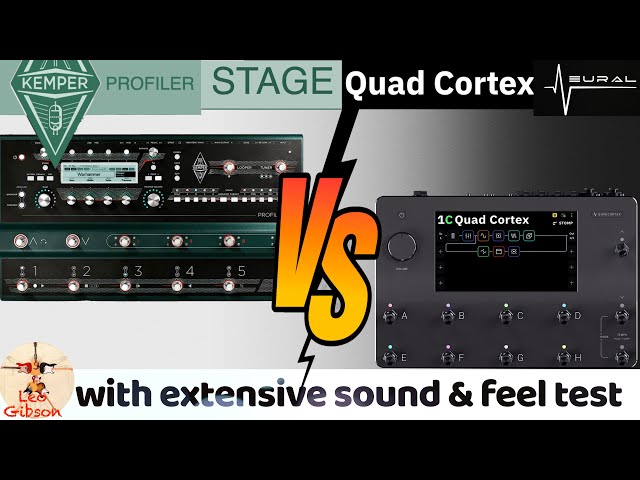
The competition between these three brands is fierce, constantly pushing the boundaries of what’s possible with amp modeling. As Leo Gibson points out in his recent YouTube analysis, the core sounds are becoming remarkably similar across platforms. But differences in workflow, feel, and overall ecosystem continue to set them apart. This shootout aims to break down those differences and provide a comprehensive overview of the current state of guitar amp modeling in 2026.
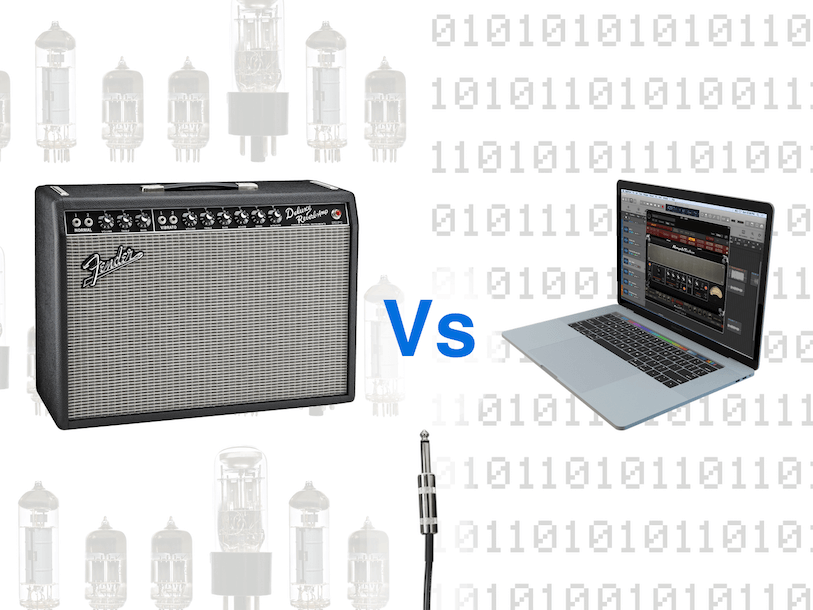
Neural DSP and the focus on feel
Neural DSP has carved a unique niche in the amp modeling world by prioritizing sonic detail and, crucially, the feel of a real amplifier. Their approach isn’t just about accurately recreating the frequency response of a tube amp; it’s about capturing the subtle nuances of its dynamic response, the way it reacts to pick attack, and the overall playing experience. This is achieved through a combination of meticulous impulse response (IR) creation and, increasingly, the application of machine learning algorithms.
Archetype: Nolly, based on the tones of Misha Mansoor of Periphery, is a prime example of their methodology. It doesn’t simply offer a collection of high-gain sounds; it accurately replicates the complex signal chain and playing style associated with Mansoor’s signature tone. Similarly, Archetype: Plini focuses on the clean and ambient textures favored by Plini Roelants, while Archetype: Gojira delivers the crushing, downtuned tones of the French metal band. These aren’t just amp sims; they're carefully curated sonic toolkits designed to inspire creativity.
A significant aspect of Neural DSP’s success is its plugin format. Their Archetype plugins integrate seamlessly with most major DAWs, allowing guitarists to record directly into their favorite recording software. This provides a level of flexibility and control that’s difficult to achieve with hardware-based modelers. However, Neural DSP also offers the Quad Cortex, a floorboard processor that incorporates their modeling technology into a standalone unit. The Quad Cortex differs from the plugin versions by adding hardware effects, a more tactile interface, and the ability to function as a complete live performance rig.
The Quad Cortex uses Neural Capture to let you clone your own gear. It takes more work than clicking a preset in a plugin, but the result is a 1:1 map of your specific setup. Neural updates the firmware often, usually adding a few more amps or effects every few months. The focus here is clearly on the physical response of the strings rather than just the EQ curve.
The plugins generally fall in the $150-200 range, while the Quad Cortex is a more substantial investment at around $999, positioning it as a pro-level piece of gear. Their business model has largely centered around individual plugin purchases, rather than subscription services, which appeals to many guitarists who prefer owning their software outright.
Kemper profiling
The Kemper Profiler stands apart from its competitors with its unique profiling technology. This allows users to capture the sound of any amplifier – or even a pedal or entire signal chain – and recreate it digitally. The process involves sending a signal through the original amplifier and having the Kemper analyze and record its sonic characteristics. The result is a "profile’ that aims to replicate the amplifier"s sound and response with remarkable accuracy.
Profiling isn’t without its limitations. The quality of a profile depends heavily on the quality of the source amplifier, the recording environment, and the skill of the profiler. Poorly executed profiles can sound thin, lifeless, or unnatural. However, a well-crafted profile can be virtually indistinguishable from the original amplifier. The Kemper’s strength lies in its ability to offer a vast library of user-created profiles, accessible through the Kemper Cloud.
The Kemper’s hardware and software ecosystem is tightly integrated. The Profiler itself is a robust floorboard unit with a user-friendly interface. It also offers a range of built-in effects, allowing users to create complex rigs without relying on external pedals. The Kemper Editor software provides a more detailed level of control over profiles and effects, while the Kemper Cloud facilitates the sharing and discovery of profiles created by the Kemper community.
The Kemper Cloud has been a game-changer for Kemper users, providing access to a constantly growing library of profiles and rigs. It also allows users to back up their profiles and share them with others. Recent firmware updates have addressed user feedback regarding the profiling process and the overall user interface, improving the Kemper’s usability and expanding its capabilities. Users report that the latest updates have significantly improved the responsiveness and dynamic range of the profiles.
However, some users still find the Kemper’s interface to be somewhat complex and unintuitive. The sheer number of options and settings can be overwhelming for beginners. The Kemper Profiler currently retails for around $1,999, placing it at the higher end of the amp modeling market. It is a significant investment, but one that many guitarists feel is justified by its versatility and power.
- Kemper Cloud is the primary hub for downloading profiles from other users.
- Profiling is the actual act of running a signal through a physical amp to clone it.
- Rig: A combination of a profile and effects.
Kemper Profiler Amps and Controllers for the Discerning Modeler

Amp modeling with MNRS GNR and GIR loader · Multi-effects including Reverb and Delay · Built-in Looper and Drum machine
The MOOER GE150 Pro offers a budget-friendly entry into amp modeling and multi-effects, providing a wide range of sounds and features for guitarists.

4U rack space for effects and processing units · Injection molded for durability and protection · Waterproof and dustproof design
The SKB 3i-231714GFX provides robust and secure transport for rackmount guitar effects, ensuring your valuable gear is protected during travel.

Expression pedal specifically designed for Kemper Profiling Amps · Offers seamless control over parameters like volume, wah, and modulation · Durable construction for live performance reliability
The Mission Engineering EP1-KP is a high-quality expression pedal that unlocks expressive real-time control for Kemper Profiler users.

Power cable for Kemper Profiler units · Compatible with 600-Watt Rackmount Power Supply · Standard mains PSU connection
This cable is a necessary accessory for powering Kemper Profiler rackmount units, ensuring reliable operation.
As an Amazon Associate I earn from qualifying purchases. Prices may vary.
The Line 6 Helix ecosystem
Line 6 has been a pioneer in digital guitar modeling for decades, and the Helix family represents their most ambitious effort yet. The Helix ecosystem encompasses the Helix Floor, Helix LT, and Helix Rack, offering a range of options to suit different budgets and performance needs. A key strength of the Helix is its versatility. It can convincingly emulate a wide range of amplifiers, effects, and cabinets, making it a suitable choice for guitarists who play multiple genres.
The Helix also boasts an extensive effects library, including many of Line 6’s signature effects, such as the DL4 MkII delay and the OctoSync fuzz. The HX Effects, a more affordable and compact unit, provides access to the same modeling technology as the Helix Floor, making it an attractive entry point for guitarists who are curious about Line 6’s offerings. The HX Effects can also be used as an insert effect in a traditional amplifier setup.
For years, Line 6 faced the perception of being a "jack of all trades, master of none.’ While their products were undeniably versatile, some critics argued that they didn"t excel in any particular area. However, the Helix has largely dispelled that notion. The latest versions of the Helix software offer significant improvements in amp modeling accuracy and dynamic response, bringing them closer to the realism of Neural DSP and Kemper.
One of the Helix’s biggest strengths is its ease of use. The intuitive interface and drag-and-drop functionality make it easy to create and edit rigs. Line 6 also provides a wealth of resources, including presets, tutorials, and online forums, to help users get the most out of their products. The Helix is a popular choice for gigging musicians who need a reliable and versatile rig that can handle a wide range of musical styles.
Workflow and Integration
How seamlessly these platforms integrate into a guitarist’s workflow is a critical factor. Neural DSP, with its plugin format, excels in studio environments. Its integration with DAWs like Ableton Live and Logic Pro X is effortless, allowing for direct recording and editing. However, it requires a computer to operate, which can be a limitation for live performance. The Quad Cortex offers a standalone solution, but its user interface is less intuitive than the plugin versions.
The Kemper Profiler offers a more self-contained workflow. Its hardware unit can function as a complete rig, eliminating the need for a computer. However, editing profiles and effects requires the Kemper Editor software, which can be somewhat clunky. The Kemper Cloud simplifies the process of sharing and downloading profiles, but relies on a stable internet connection.
Line 6 Helix boasts a streamlined workflow and intuitive interface. Its drag-and-drop functionality makes it easy to create and edit rigs, and its extensive preset library provides a starting point for experimentation. The Helix also integrates seamlessly with Line 6’s cloud-based services, allowing for easy backup and sharing of presets. The Helix’s learning curve is relatively gentle, making it a good choice for beginners.
The availability of presets and resources is also a key consideration. Neural DSP has a growing community of users who share presets and tutorials online. Kemper has a massive online community with a vast library of user-created profiles. Line 6 provides a wealth of official presets and tutorials, as well as a dedicated online forum. Each platform has its strengths, but Line 6 arguably offers the most comprehensive support for beginners.
Neural DSP, Kemper, and Line 6: Comparative Overview - 2026
| Feature | Neural DSP | Kemper | Line 6 |
|---|---|---|---|
| Realism of Amp Models | Excellent | Excellent | Good |
| Ease of Use | Good | Fair | Good |
| Versatility | Good | Excellent | Excellent |
| Effects Quality | Good | Good | Fair |
| Community Support | Good | Excellent | Good |
| Integration with DAW | Excellent | Good | Good |
| Customization Options | Excellent | Excellent | Good |
| Form Factor & Portability | Limited (primarily plugin) | Good (Profiler & Stage) | Excellent (HX Stomp, etc.) |
Illustrative comparison based on the article research brief. Verify current pricing, limits, and product details in the official docs before relying on it.
Future-Proofing and Updates
The longevity of these platforms depends on the manufacturers’ commitment to ongoing development and support. Neural DSP has consistently released new plugins and updates, demonstrating a strong dedication to its products. Their focus on machine learning suggests that they will continue to push the boundaries of amp modeling accuracy and realism. It’s worth noting that their business model relies heavily on continued software sales, incentivizing ongoing development.
Kemper has a long history of supporting its products with firmware updates and new features. The Kemper Cloud has become an integral part of the Kemper ecosystem, and the company is likely to continue investing in its development. They have shown a responsiveness to user feedback, addressing many of the concerns raised by the Kemper community. Their established user base provides a strong incentive for continued support.
Line 6 has a reputation for releasing frequent updates to its Helix software, adding new amp models, effects, and features. They also actively engage with their user community, soliciting feedback and incorporating it into their development process. The potential impact of AI on amp modeling is significant, and Line 6 is likely to explore these technologies in the future. The open nature of the Helix platform allows for third-party development, potentially expanding its capabilities even further.
The future of amp modeling is likely to be shaped by advancements in artificial intelligence. AI-powered algorithms could potentially learn the nuances of amplifier behavior with greater accuracy than traditional modeling techniques. This could lead to even more realistic and responsive amp simulations. All three companies are exploring the potential of AI, and the next few years are likely to see significant breakthroughs in this field.
No comments yet. Be the first to share your thoughts!