

Start with the resonator cone type
Republic Guitars builds three distinct resonator families, and the cone architecture is the single biggest factor in how the instrument sounds and feels. Your playing style and genre should dictate which line you choose. The Highway 61, TriCones, and Single Cone models serve different sonic needs, from loud, cutting lead work to warm, complex backing tones.
Highway 61: The All-Rounder
The Highway 61 series is Republic’s most versatile option. It features a single 12-inch spun aluminum cone with a 100mm diameter, designed to balance volume and tonal complexity. These guitars are excellent all-arounders, offering enough bite for slide work without sacrificing the warmth needed for rhythm playing. They come in standard scale lengths (25.5 inches) and short-scale variants, making them accessible for players with smaller hands or those who prefer lower tension strings. If you want one guitar that can handle blues, rock, and light country, this is the baseline choice.
TriCones: Volume and Complexity
TriCones use three 85mm spun aluminum cones arranged in a triangle, driven by a single T-bar. This configuration produces a louder, more complex tone with enhanced sustain and harmonic richness. The TriCones are ideal for players who need to cut through a mix or who prefer a brighter, more articulate sound. Because of the three-cone setup, these guitars are heavier and more expensive than the Highway 61s. They excel in bluegrass, jazz, and any genre where volume and tonal clarity are paramount.
Single Cone: Vintage Warmth
The Single Cone line, including the Traveler model, uses a single 12-inch cone but with a different internal bracing and drive system than the Highway 61. This design emphasizes mid-range warmth and a more vintage, woody tone. The Single Cone models are perfect for players who prioritize feel and tonal nuance over sheer volume. The Traveler, with its 22-inch scale length, offers a compact, travel-friendly option with the same warm tonal character. If you play slow blues, fingerstyle, or prefer a softer attack, the Single Cone line is your best bet.

Comparison at a Glance
| Feature | Highway 61 | TriCones | Single Cone |
|---|---|---|---|
| Cone Type | Single 12" spun aluminum | Three 85mm spun aluminum | Single 12" spun aluminum |
| Volume | Moderate to High | Very High | Moderate |
| Tone Profile | Balanced, versatile | Bright, complex, articulate | Warm, vintage, woody |
| Best For | All-around use, blues, rock | Bluegrass, jazz, cutting through mix | Slow blues, fingerstyle, travel |
| Scale Lengths | 25.5" (Standard), 24.75" (Short) | 25.5" (Standard) | 25.5" (Standard), 22" (Traveler) |
Choosing the right cone type ensures your resonator matches your musical voice. Start by listening to demos of each line to hear the difference in attack and sustain. Then, consider your physical comfort and the genres you play most often. The right model will feel like an extension of your hands, not a compromise.
Match the scale length to your hands
Choosing the right scale length is the first practical step in selecting a Republic Guitars resonator. Republic offers two distinct options for their single-cone cutaway models: a Standard 25-inch scale and a 22-inch "Traveler" scale. This difference isn't just about tonal volume; it fundamentally changes how the instrument fits your body and how your hands move across the fretboard.
The 25-inch scale is the industry standard for most acoustic guitars. It provides a familiar neck feel, slightly higher string tension, and a broader range of string spacing. If you are used to standard dreadnoughts or have larger hands, this scale length offers the stability and reach needed for complex fingerpicking or aggressive slide work. It is the go-to choice for players who prioritize traditional playability and maximum projection.
The 22-inch Traveler scale is designed for comfort and portability. With shorter string tension, the frets are closer together, reducing hand strain for players with smaller hands or those who prefer a looser feel. The reduced body size also makes the guitar easier to hold for extended periods, which is ideal for travel or casual playing. While the tone is slightly less aggressive than the 25-inch model, it remains punchy and clear, making it a versatile tool for blues and folk styles.
To decide which scale length suits you, consider your hand span and playing style. If you have large hands or play intricate lead lines, the Standard 25-inch scale will feel more natural. If you prioritize comfort, have smaller hands, or need a lighter instrument for travel, the Traveler 22-inch scale is the better fit. Republic Guitars details these specifications on their official site, allowing you to compare the exact fret-to-body measurements for each model.
Measure the distance from the tip of your thumb to the tip of your index finger with your hand fully spread. If this span is less than 7 inches, the shorter fret spacing on the 22-inch Traveler scale will likely feel more comfortable. Larger hands may find the 25-inch scale offers better leverage for barre chords and wide stretches.
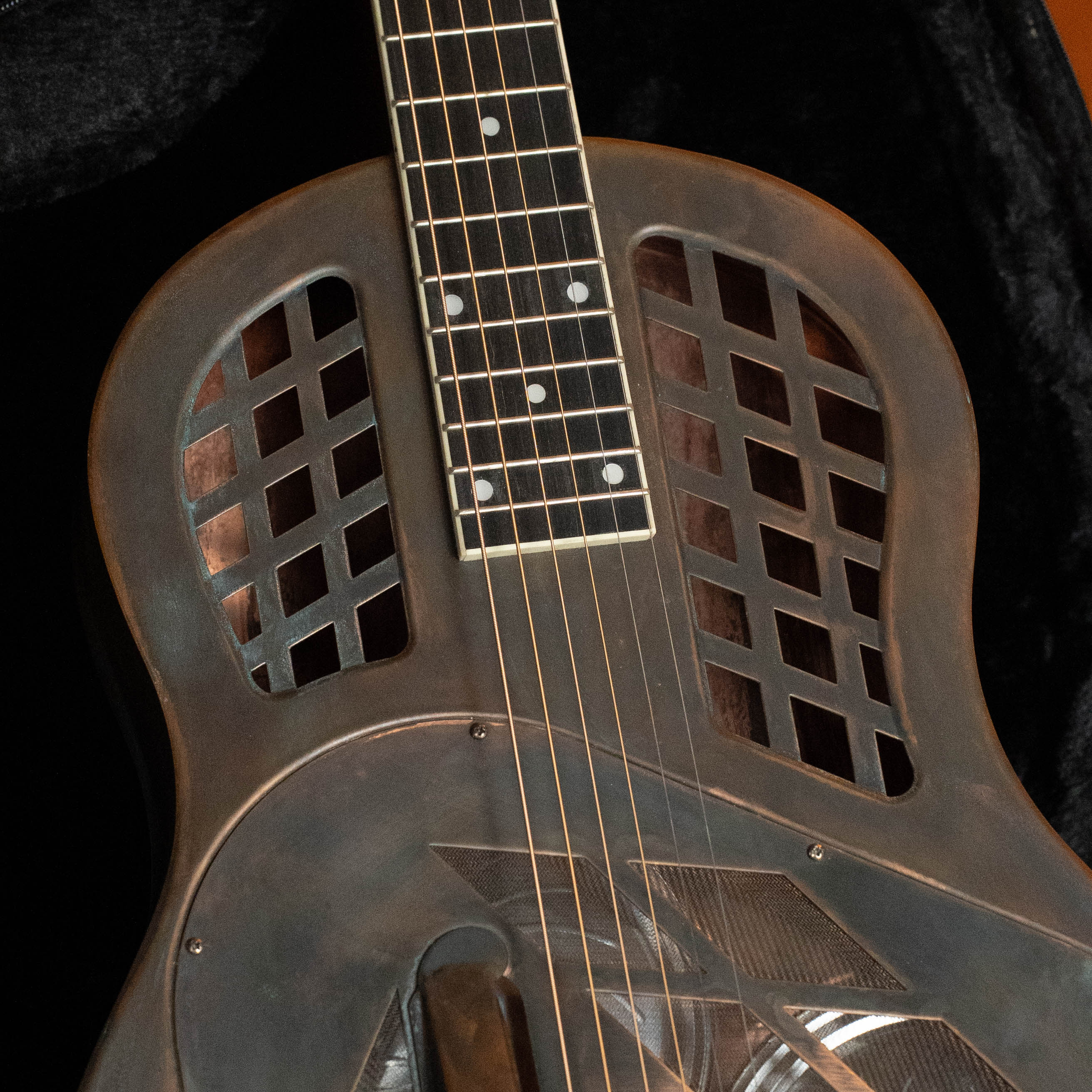
String tension is directly related to scale length. The 25-inch scale requires more finger pressure to fret notes, which can lead to fatigue during long sessions if your hands are small. The 22-inch scale offers looser strings, making it easier to bend notes and perform vibrato with less effort. Try both if possible to see which tension feels more natural for your playing style.
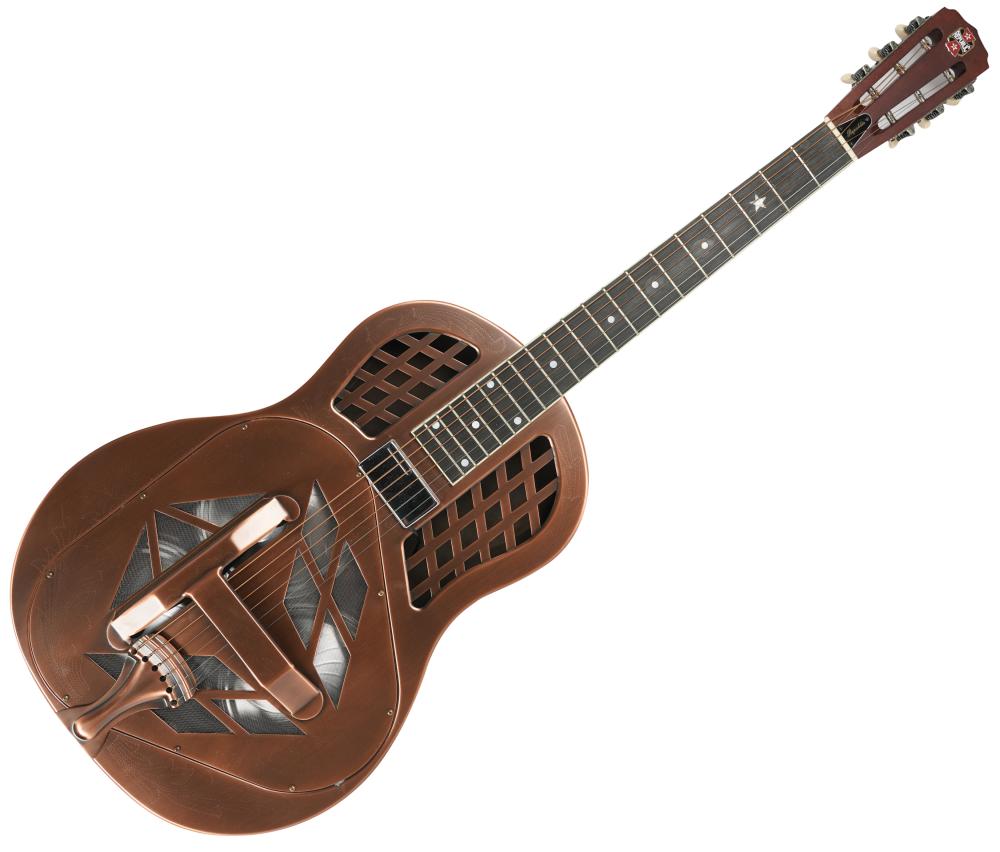
Republic’s 25-inch model features 14 frets to the body, while the Traveler has 12. This changes the position of the neck relative to your chest. The 14-fret design allows for easier access to the upper frets and a slightly different strumming angle. The 12-fret design is more traditional and may feel more balanced for players who prefer the neck to sit further back against the body.
Inspect the Build and Finish
Republic Guitars has built a reputation for offering solid construction at an accessible price point, but like many instruments in this category, the finish is where you need to look closely. Minor blemishes are common, so treat a visual inspection as part of your buying routine rather than a dealbreaker. Check the body for deep scratches or uneven varnish that might indicate rough handling during shipping or storage.
The fret edges are often the first thing players notice when picking up a new resonator. Many owners report that the fretwork can be a tad sharp right out of the box. Run your fingers along the side of the neck to check for any rough spots that could catch on your hand during fast playing. A quick file and polish by a luthier can smooth these out, but it’s worth noting before you commit.
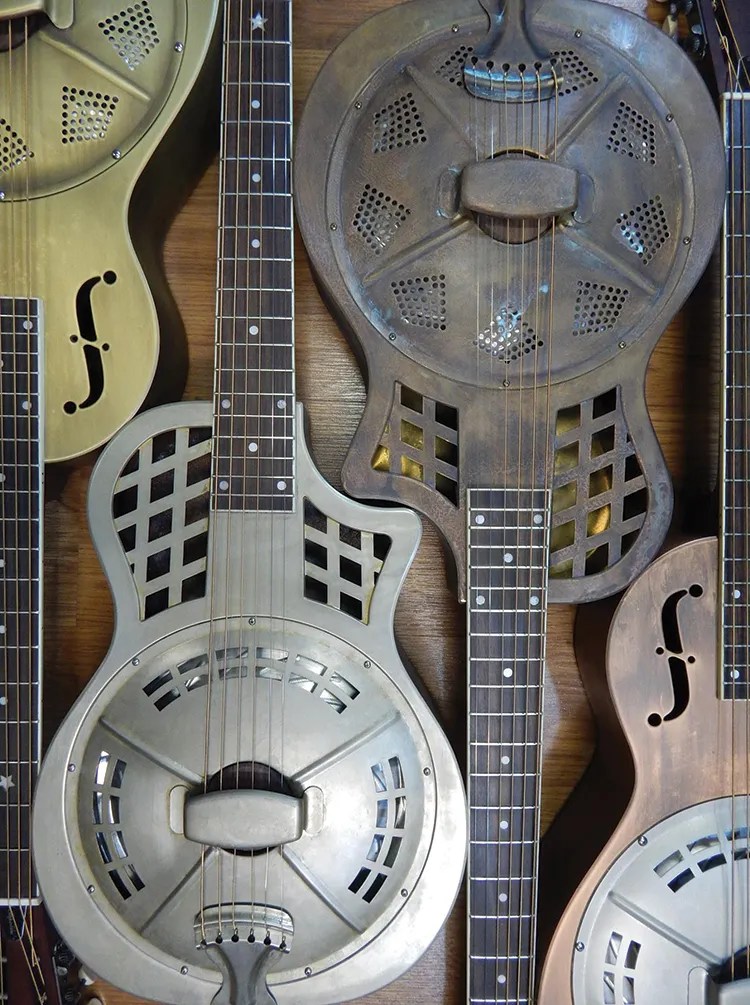
Beyond the cosmetic details, ensure the hardware is secure. The cone type and action should feel consistent with the model’s specifications. If you’re buying used, check that the bridge sits flat and the nut slots are properly cut. A well-setup resonator from Republic will play smoothly, but verifying these physical details ensures you aren’t inheriting someone else’s setup problems.
Listen to audio demos before buying
Resonator tone is difficult to judge visually. The metallic brightness of a biscuit cone versus the complex harmonics of a spider cone, or the specific attack of a TriCone, only reveals itself through sound. What looks like a similar build on paper can play completely differently in your hands. Hearing the instrument helps you understand how the scale length, cone type, and action interact to produce the volume and sustain you need for your style.
Republic Guitars provides high-quality audio references to help narrow down your choice. Norman's Rare Guitars hosts a demo of the Republic TriCone played by Rogo, showcasing the instrument's distinct voice and volume potential. Watching this video gives you a realistic sense of how the guitar projects in a room, which is essential for deciding if the resonator's loud, cutting tone fits your musical context.

Verify your purchase channel
Republic Guitars are available through two main paths: the manufacturer’s direct store and authorized dealers. Buying direct from Republic Guitars ensures you get the full factory warranty and access to the complete model range, including limited runs. You can also reach their support team directly for questions about cone types or scale length options.
Authorized retailers like Guitar Center often carry popular models such as the Delta or Snakehead. These shops provide the benefit of physical inspection before you commit. Playing the instrument in person lets you check the action and feel the tone of the brass or aluminum cone. It also simplifies returns if the guitar doesn’t meet your expectations.
Before finalizing your order, review the return policy. Manufacturer sales are often final or have shorter windows, while major retailers typically offer 30-day return periods. This is crucial for resonators, where intonation and neck relief can vary slightly between individual builds.
Use this checklist to ensure you’re covered:
- Verify the warranty length and registration process.
- Confirm the return policy deadline and restocking fees.
- Check if a hard case or gig bag is included.
- Ensure picks and a strap are part of the package.
Common resonator questions answered
Choosing a resonator guitar involves specific technical details and stylistic preferences. Here are answers to the most frequent questions buyers ask when selecting a Republic Guitars model.
No comments yet. Be the first to share your thoughts!