

Why resonators build better technique
Resonator guitars demand a level of physical precision that standard acoustics rarely enforce. Because these instruments rely on metal cones to amplify sound rather than a large wooden soundboard, every note must be intentional. There is no room for sloppy finger placement or inconsistent picking angles; the guitar will either ring out clearly or produce a dead, dull thud.
This physical feedback loop accelerates skill development. When you play a resonator, you are forced to develop superior picking accuracy and dynamic control. The high action and stiff strings require deliberate hand strength, while the need to hit the strings with exact force teaches you to manage volume without relying on amplifier gain or heavy strumming. It is a rigorous training ground for right-hand discipline.
The specific design of resonators, such as the tricone or single-cone models, further refines this technique. Players must adjust their attack to suit the instrument's voice, a process that transfers directly to standard guitar playing where control over tone and dynamics is paramount. By mastering the resonator, you build a foundation of precision that makes every other instrument feel easier to handle.
The physical demands of playing a resonator are not just about volume; they are about clarity. You learn to listen closely to the sustain and decay of each note, adjusting your touch to maintain musicality. This heightened awareness of sound production is what makes resonators such effective tools for improving overall guitar skills.
5 Republic Guitars Models to Improve Guitar Skills Fast
Selecting the right instrument is a critical step in accelerating technical proficiency, as specific hardware configurations directly influence playability and learning curves. This guide evaluates five Republic Guitars models, analyzing how distinct features like scale length and neck profile facilitate faster skill acquisition.
-

Highway 61 balanced practice versatility
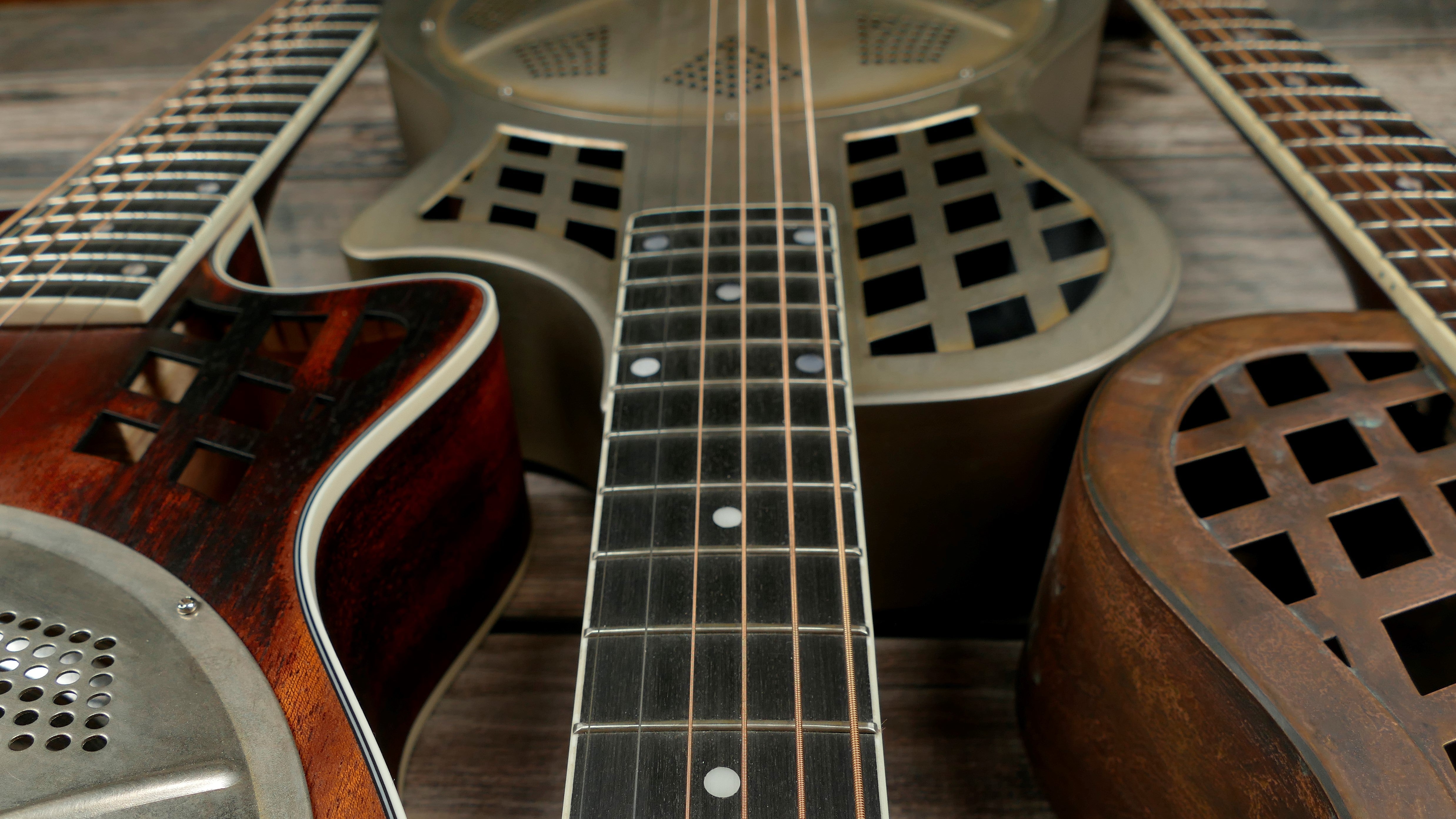
The Highway 61 resonator offers a neutral tonal baseline, making it an ideal tool for developing balanced right-hand technique. Unlike heavily colored instruments, its consistent response across strings forces you to refine your picking dynamics without relying on specific frequency boosts. This neutrality ensures that every note requires equal effort, building muscle memory for even volume control essential for clean, professional playing across genres. -
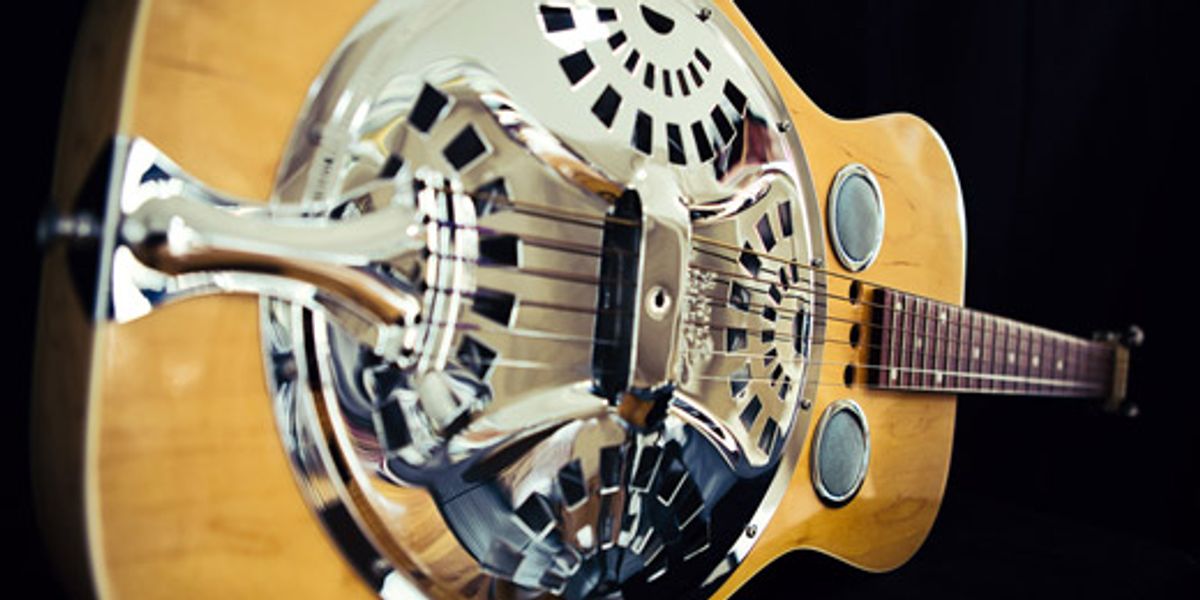
TriCones volume and projection benefits
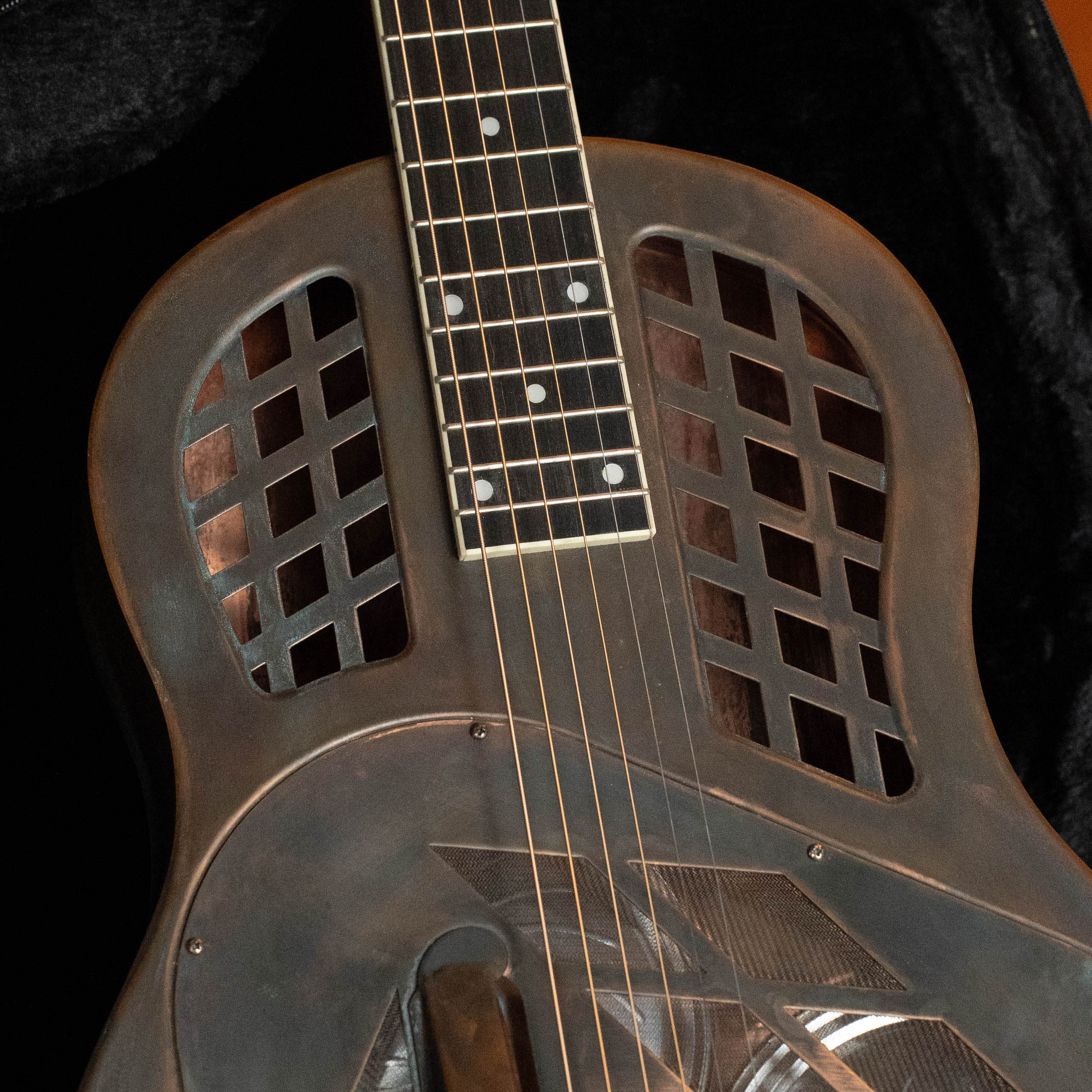
TriCones feature three cones, delivering significantly higher volume and projection than single-cone models. This increased output allows players to practice with greater dynamic range, pushing their attack strength and control. The robust sound carries well in ensemble settings, training you to listen for your place in a mix. Mastering this instrument builds the confidence and physical endurance needed for live performance situations where volume matters. -
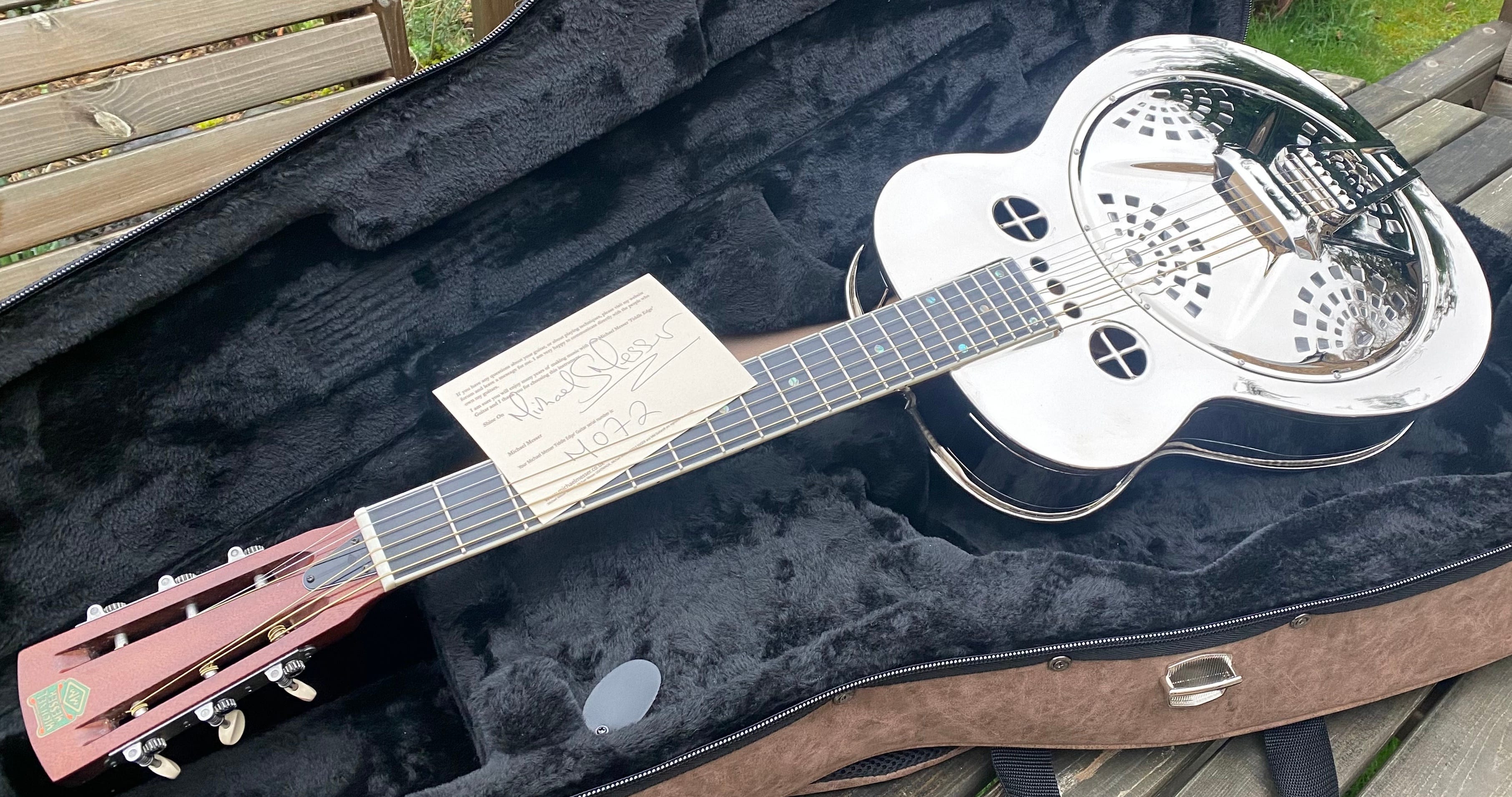
Single Cones blues clarity focus
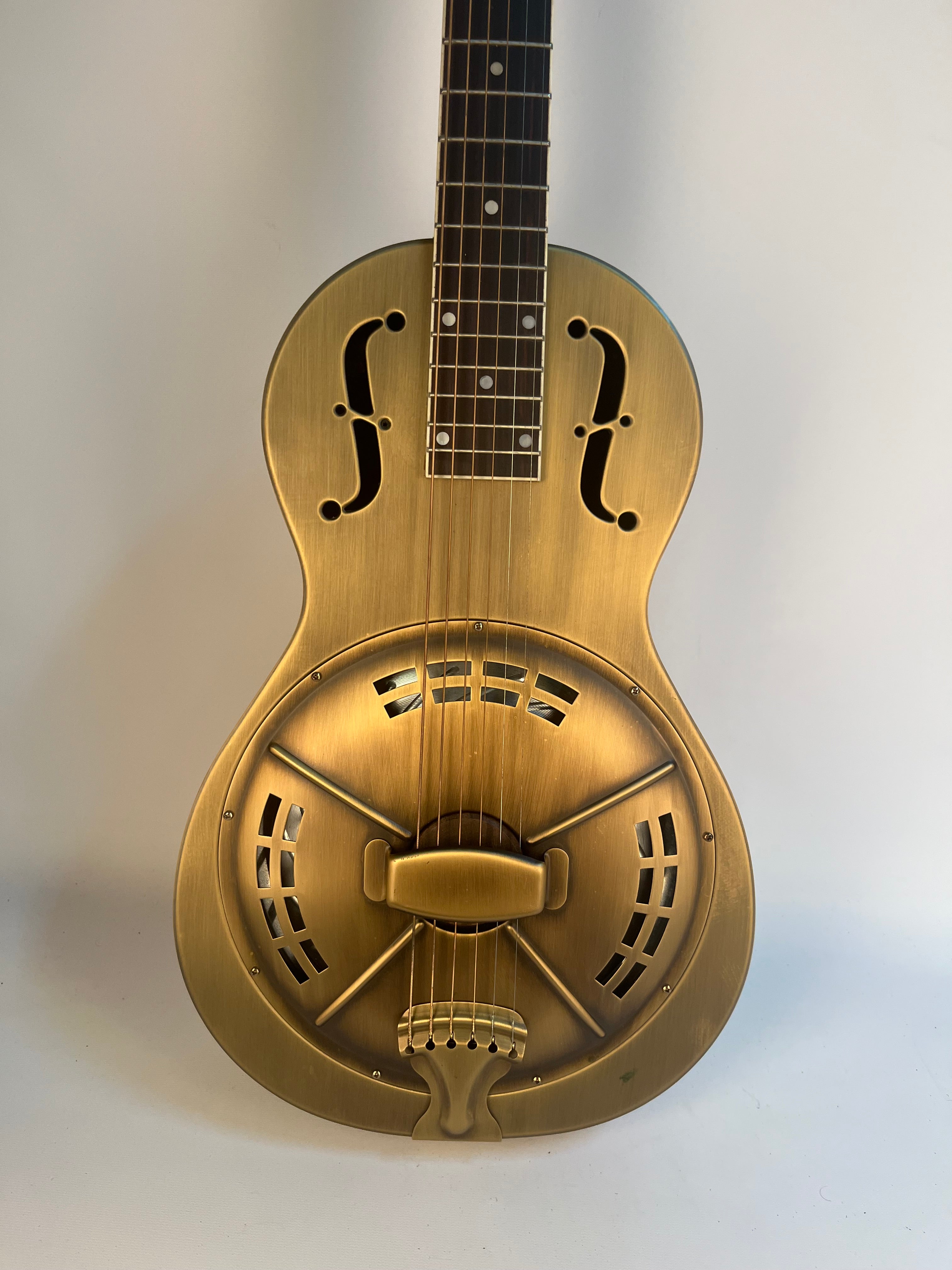
Single Cone resonators emphasize midrange clarity and sustain, ideal for blues phrasing. The focused tonal profile highlights subtle bends and vibrato, rewarding precise left-hand technique. This clarity forces you to articulate every note distinctly, eliminating sloppy transitions. Practicing on this model sharpens your ear for tonal nuance and improves your ability to convey emotion through controlled, clean note execution rather than sheer volume. -
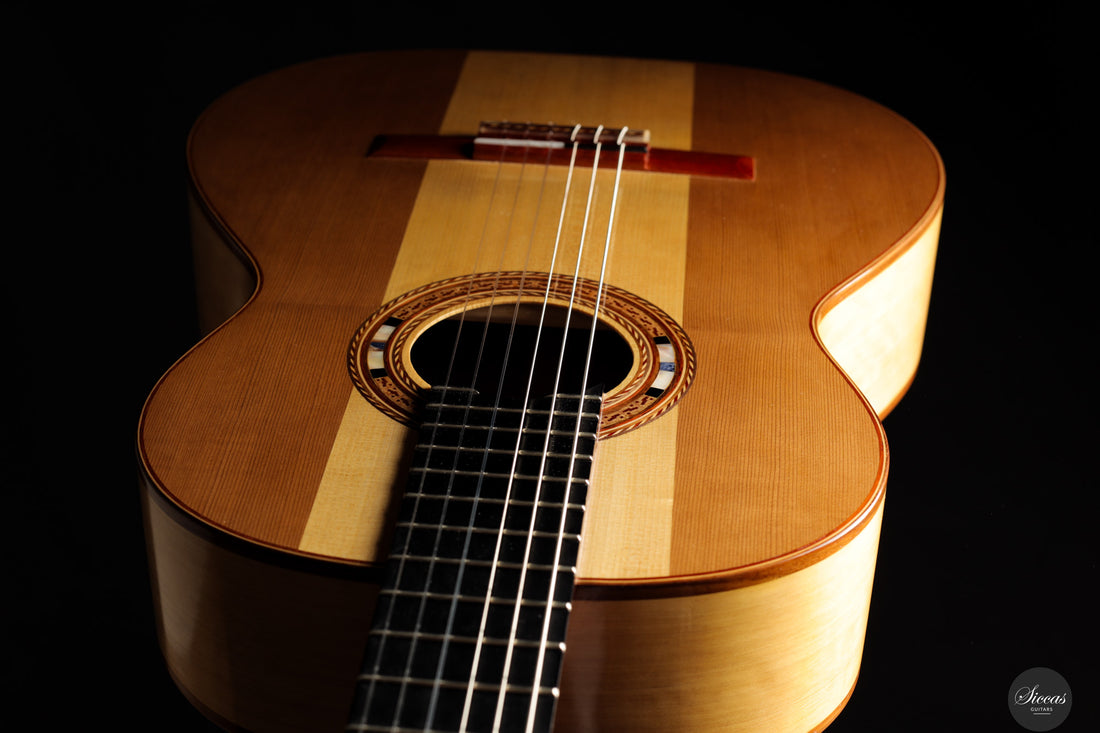
Parlors intimate dynamics control
Parlor-sized guitars have smaller bodies, producing a tighter, more intimate sound. This constraint demands precise finger placement and gentle attack to achieve full tone. Practicing on a parlor guitar refines your touch, preventing overplaying and encouraging economical movement. The reduced volume forces you to listen closely to your articulation, building the subtle dynamic control necessary for intricate fingerstyle patterns and quiet, nuanced passages. -
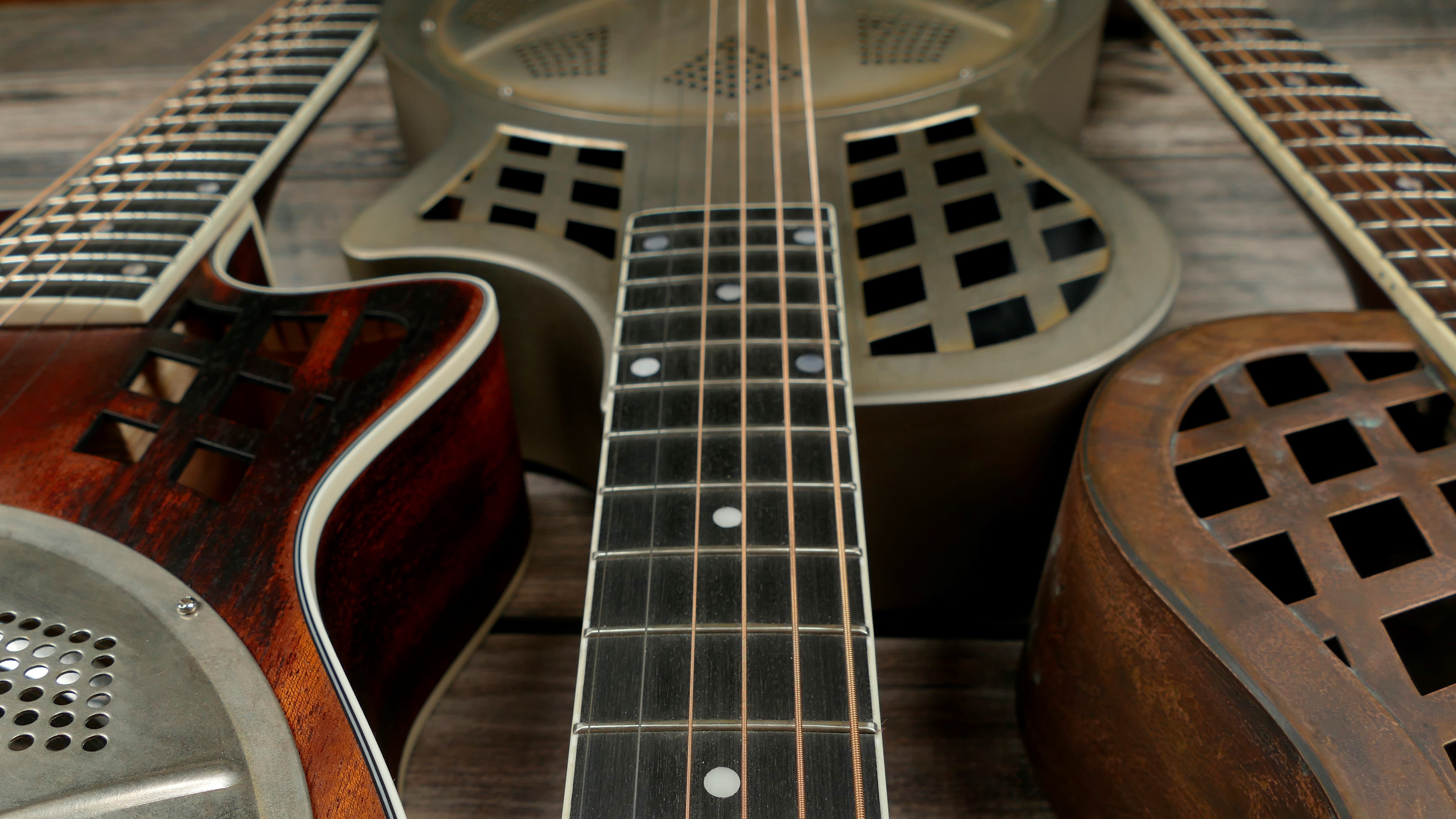
Traveler model portability and playability
The Republic Traveler features a shorter 22-inch scale length with 12 frets to the body, reducing string tension and making fretting easier for beginners. This compact design lowers the physical barrier to entry, allowing players to focus on chord shapes and basic rhythm without the fatigue associated with longer scales. Its portability encourages frequent, shorter practice sessions, which are more effective for building muscle memory than infrequent, lengthy ones.
Build quality that supports learning
Republic Guitars are designed to remove the friction between your hands and the instrument. When a guitar has consistent fret work and a reliable setup, you spend less time fighting the wood and more time developing muscle memory. This is particularly important for resonator players, where the physical demands of slide technique require a stable platform.
The brand’s approach to manufacturing prioritizes playability over cosmetic perfection. While some entry-level instruments may have sharp fret edges or uneven action, Republic Guitars generally offer a smoother finish that allows for faster finger movement. This consistency reduces the mental load of adjusting to a new instrument, letting you focus on tone and timing instead of technical hurdles.
A solid build also means the instrument stays in tune longer, even under the pressure of heavy slide playing. When the hardware and neck stability are reliable, you can practice scales and licks without constant retuning interruptions. This reliability accelerates skill acquisition by keeping your practice sessions focused on music rather than maintenance.
-
Check for smooth fret edges and no sharp ends
-
Test action height for comfortable slide play
-
Verify tuning stability under string pressure
Frequently asked questions about resonator technique
Put The Guitarist’s Roadmap into practice
No comments yet. Be the first to share your thoughts!