


Compare the real tradeoffs
Choosing between budget and premium guitar strings usually comes down to how often you change your gear and your tolerance for tonal decay. Budget strings offer a bright, fresh sound immediately after installation, but they are prone to faster oxidation. For players who change strings every two weeks, the cost savings of budget sets outweigh the longevity of expensive options.
Premium strings typically invest in specialized coatings or higher-grade alloys. These coatings act as a barrier against skin oils and humidity, extending the "bright" phase of the string's life. This is a practical choice for touring musicians or those who find frequent restringings tedious. However, there is a tactile tradeoff: some players find heavy coatings feel "slick" or "plastic," which can slightly alter the feel of a string bend or vibrato.
Material choice also impacts the tradeoff. Nickel-plated steel is the standard for a balanced tone across most budgets, while premium cobalt or pure nickel options provide specific tonal shifts that budget sets rarely replicate. Cobalt, for instance, often increases magnetic output and sustain, which is particularly noticeable on passive pickups where a slight boost in signal can clean up a muddy mix. Pure nickel, conversely, provides a warmer, compressed response favored for jazz or vintage blues, whereas budget nickel-plated sets tend to be more aggressive and "zingy."
| Feature | Budget Strings | Premium Strings |
|---|---|---|
| Lifespan | Short (2-4 weeks) | Long (2-4 months) |
| Initial Tone | Bright and punchy | Balanced and consistent |
| Coating | Usually uncoated | Polymer or Nano-coatings |
| Price Point | Low per set | High per set |
| Tuning Stability | Standard | Higher precision winding |
Where each option wins
Budget strings are ideal for players who sweat heavily or use aggressive bending techniques that snap strings frequently. When a set lasts only a week due to physical wear or corrosion, spending $5 instead of $15 prevents the cost of maintenance from becoming a monthly burden. They are also the better choice for experimentalists who frequently change gauges to suit different songs or tunings (e.g., switching from Standard E to Drop C).
Premium strings win when stability and longevity are the priority. Coated strings, in particular, act like a shield against skin oils and humidity, keeping the "new string" brightness for weeks longer than uncoated alternatives. This makes them the better choice for studio recording sessions where you cannot afford a string break mid-take, or touring where a string failure during a performance is a critical risk.
Beyond longevity, premium sets often feature tighter manufacturing tolerances. This means the winding is more consistent along the length of the string, which reduces "dead spots" and improves intonation accuracy. This is essential for players who use high-gain settings or heavy compression, where slight pitch deviations or "warbling" in the winding become glaringly obvious.


As an Amazon Associate, we may earn from qualifying purchases.
For the casual bedroom player, budget strings usually suffice. However, if you find yourself spending more time tuning your guitar than playing it, the precision winding of premium brands often resolves those stability issues by reducing the "creep" that occurs as a string settles into the nut and bridge.
What to double-check
Switching gear isn't just about the price tag; it's about how the material interacts with your specific instrument. A cheap set of strings might save money upfront but can lead to premature corrosion or instability if you play in humid environments or sweat heavily.
Before you commit to a bulk purchase, verify these technical details to avoid dead strings or tuning instability.

Check if your guitar's setup can handle the tension of the gauge you're buying. Moving from a .009 to a .011 set increases tension, which may require a truss rod adjustment to prevent neck bowing. If you notice the action rising or the strings buzzing on the first few frets after a gauge change, your neck relief needs adjustment. For most Strat-style necks, a gauge jump of .002 is the threshold where a setup adjustment becomes necessary to maintain playability.

Confirm whether the strings are nickel-plated, pure nickel, or cobalt. Budget strings often use cheaper alloys that lack the sustain or magnetic response of premium options. Pure nickel offers a warmer, vintage tone, while cobalt is brighter and more aggressive; choosing the wrong one can make your guitar sound too thin or too muddy regardless of your amp settings. If you use active pickups (like EMGs), the difference between cobalt and nickel is less pronounced than with passive single-coils.
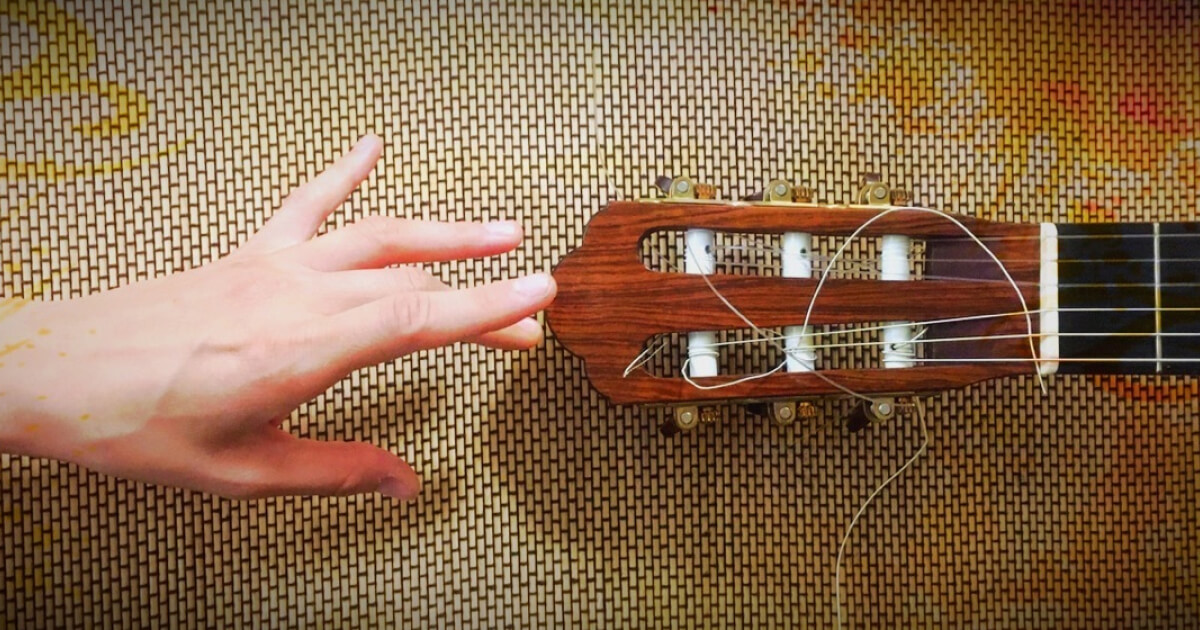
If you are paying for premium coated strings, ensure they are specifically designed for your playstyle. Some coatings reduce finger slide (squeak) but can feel "plastic-like" compared to uncoated budget sets. If you rely on heavy slides and vibrato, test a small sample of coated strings to ensure the texture doesn't hinder your technique. Note that "NanoWeb" style coatings are generally thinner and feel closer to natural steel than older, thicker polymer coatings.
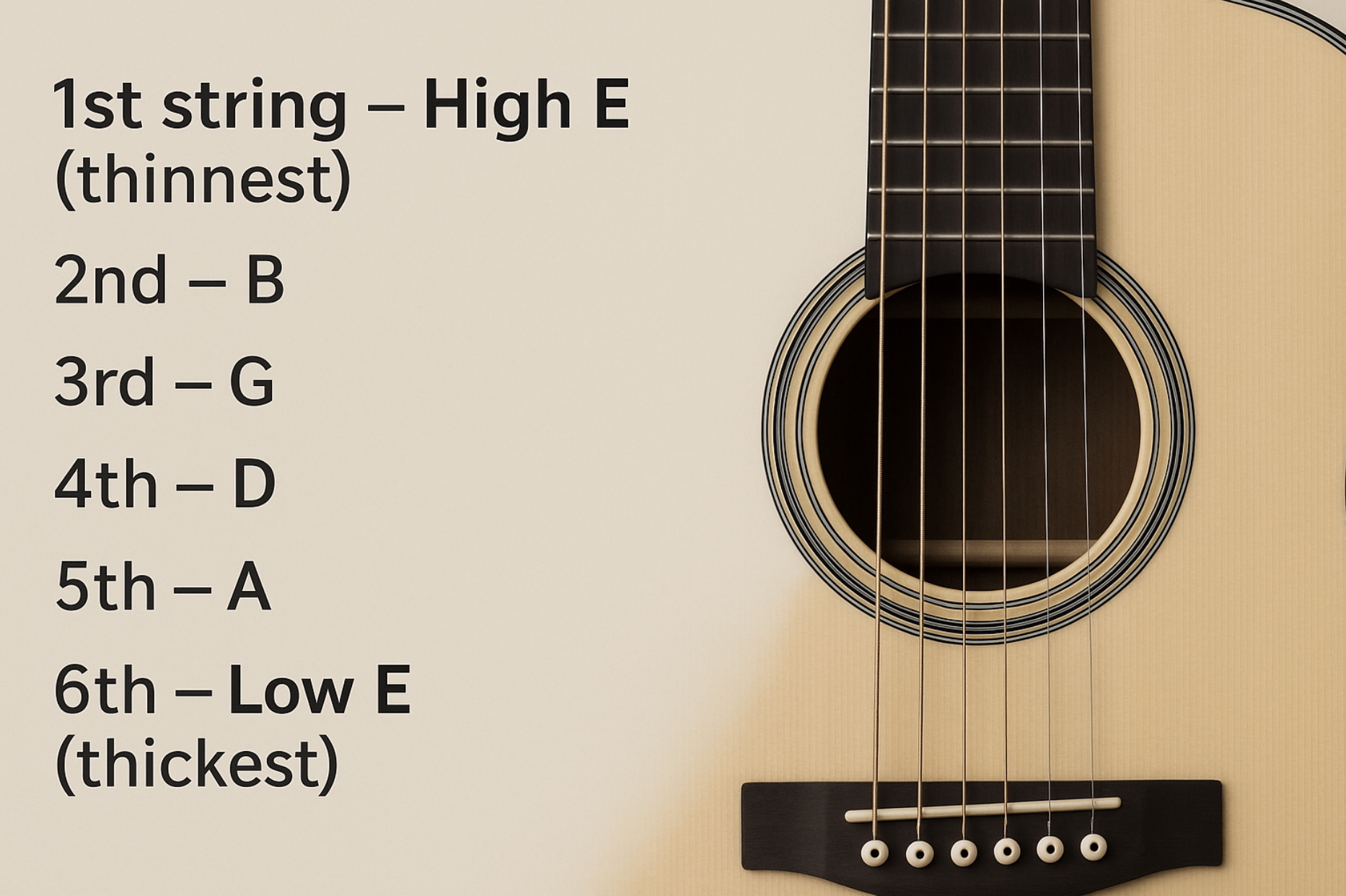
Ensure the strings match your bridge type. For example, acoustic guitars may require ball-ends, while some classical or gypsy jazz models need loop-ends to seat properly in the bridge. Using the wrong end type can lead to the string slipping out of the bridge under tension, potentially damaging the instrument or causing a sudden snap that could injure your hand.
Practical considerations for your environment
Your physical environment dictates the value proposition of your strings. If you live in a coastal city with high salt air or a humid climate, uncoated budget strings will oxidize almost immediately, turning brown and losing their tone within days. In these cases, the higher upfront cost of premium coated strings is a logical investment to avoid the labor of weekly restringings. Salt air is particularly aggressive toward nickel-plated steel, often causing "pitting" that leads to premature breakage.
Conversely, if you play in a climate-controlled room and have "dry" hand chemistry, you may find that budget strings last nearly as long as premium ones. To test this, track your string life: mark the date of installation on your calendar and note when the high E string begins to sound dull. If you hit the 4-week mark consistently with budget sets, there is little practical reason to upgrade to premium coatings.
Consider also the cost of your instrument's maintenance. Frequent restringings with budget sets mean more wear on the nut slots and bridge saddles. While negligible in the short term, over several years, the constant friction of changing strings every two weeks can widen nut slots, potentially leading to "string buzz" or the need for a professional nut replacement.
No comments yet. Be the first to share your thoughts!