
The $500 limit
You don't need a fortune to record at home. In 2026, $500 buys a setup that sounds professional enough for most releases. Most of the hype around high-end gear is just marketing. I focus on gear that works, not gear that looks good on a spec sheet.
Now, let’s be realistic. You will have to make compromises. You won’t be getting a boutique studio setup, but you can absolutely achieve results that are comparable to many commercially released recordings. The key is knowing where to spend and where to save. It’s about smart choices, not just cheap ones.
This isn’t about sacrificing quality entirely. It’s about prioritizing the components that make the biggest difference in your recordings. We're aiming for a setup that’s capable, versatile, and will allow you to learn and grow as a musician and producer. A solid foundation is more important than flashy features.
Think of it this way: a great song recorded on affordable gear will always sound better than a mediocre song recorded on expensive gear. The talent and the arrangement matter far more than the price tag of your equipment. Let’s get started building a setup that will unlock your creative potential.
The Guitar Itself: Options Under $300
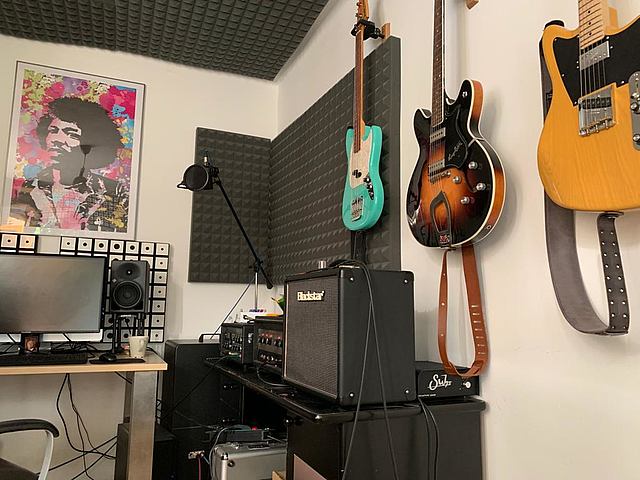
The guitar is, naturally, the biggest expense. Thankfully, the market is flooded with excellent options under $300. Yamaha consistently delivers incredible value, with their Pacifica series being a standout choice. Squier, Fender’s budget brand, offers Stratocaster and Telecaster-style guitars that are surprisingly well-made for the price.
Ibanez is another strong contender, particularly for those interested in rock or metal. Their RG series guitars are known for their thin necks and powerful pickups. Don’t dismiss the used market either. You can often find a higher-quality guitar for the same price if you’re willing to buy used, but be sure to check the neck and electronics carefully.
When considering body styles, think about the music you want to play. Stratocasters are versatile and great for a wide range of genres. Telecasters offer a brighter, more twangy tone that’s perfect for country and blues. Les Paul-style guitars have a warmer, more powerful sound that’s ideal for rock and jazz. I personally recommend the Yamaha Pacifica 112V for beginners—it's a remarkably versatile instrument.
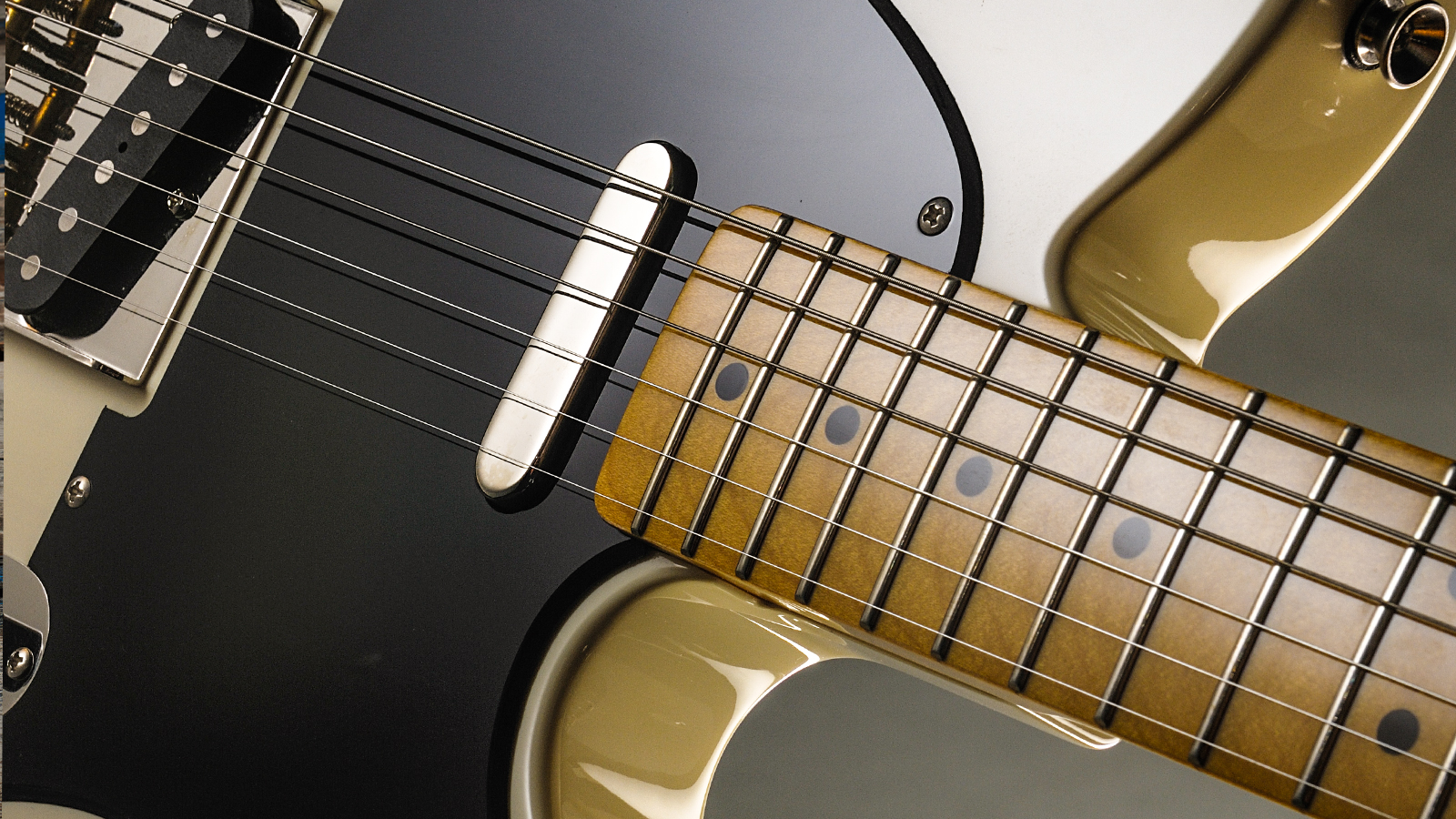
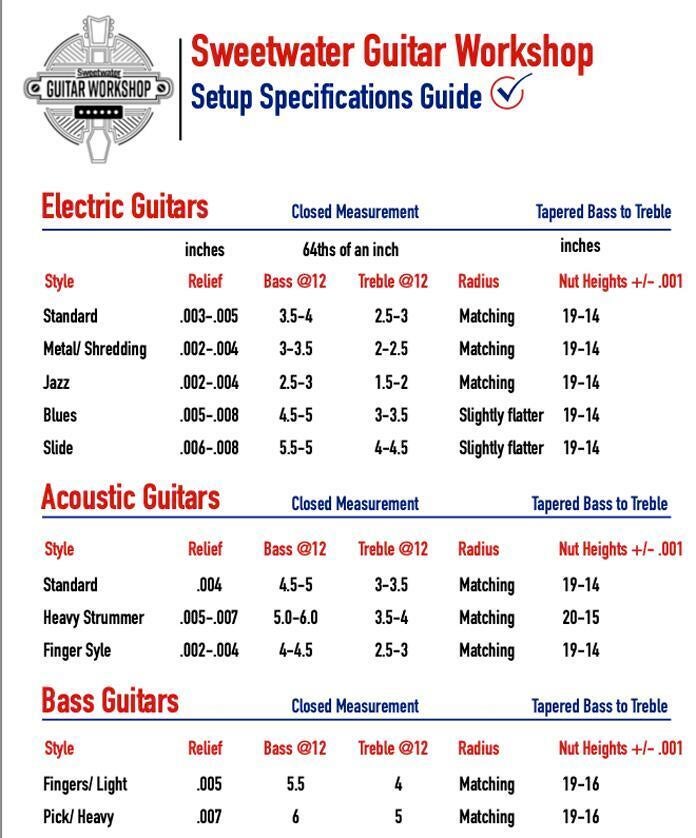
Playability is paramount. Make sure the guitar feels comfortable in your hands and that the action (the height of the strings) is not too high. A poorly set up guitar will be a frustrating experience. Don’t be afraid to take it to a local guitar shop for a professional setup, even if it adds to the initial cost. It's well worth the investment.
- Yamaha Pacifica 112V: A reliable workhorse that stays in tune.
- Squier Affinity Stratocaster: Classic Strat sound at an affordable price.
- Ibanez RG421: Great for rock and metal.
- Used Fender Squier: Potential for higher quality at the same price point.
Featured Products

Alder body for balanced tone · Maple neck with rosewood fingerboard for smooth playability · HSS pickup configuration for versatile sound options (humbucker in bridge, single-coils in middle and neck)
The Yamaha Pacifica PAC112V offers exceptional value and playability, providing a fantastic foundation for achieving a professional sound without breaking the bank.
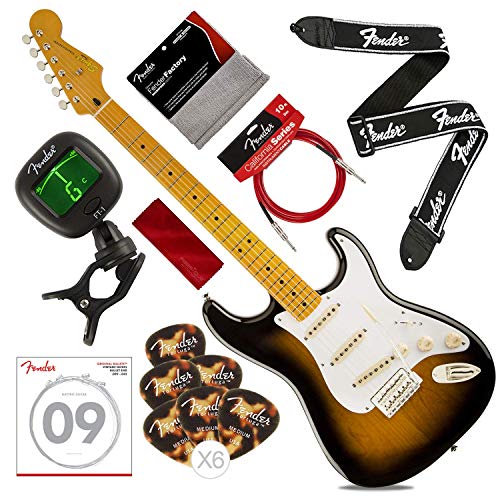
Alnico single-coil pickups for authentic Fender tone · Fast-playing 21-fret maple neck with a comfortable 'C' profile · Vintage-style tremolo system for expressive pitch bending
The Squier Classic Vibe '50s Stratocaster offers exceptional value and playability, providing a fantastic foundation for achieving a professional sound without breaking the bank.

Poplar body with a quilted maple art grain top for striking aesthetics · Maple neck with treated New Zealand pine fingerboard for comfortable playing · Infinity R humbucker pickups (neck, middle, bridge) for a powerful sound
The Ibanez GIO Series GRX70QA offers exceptional value and playability, providing a fantastic foundation for achieving a professional sound without breaking the bank.

Solid spruce top for rich, resonant tone · Nato back and sides for warm sound projection · Scalloped bracing for enhanced low-end response and projection
The Yamaha FG800J offers exceptional value and playability, providing a fantastic foundation for achieving a professional sound without breaking the bank.

Two single-coil Telecaster pickups for classic twang and bite · Comfortable 'C'-shaped maple neck with a maple fingerboard · 6-saddle Telecaster bridge for improved intonation
The Squier Affinity Series Telecaster offers exceptional value and playability, providing a fantastic foundation for achieving a professional sound without breaking the bank.
As an Amazon Associate I earn from qualifying purchases. Prices may vary.
Audio interfaces
To get your guitar signal into your computer, you’ll need an audio interface. This device converts the analog signal from your guitar into a digital signal that your computer can understand. Focusrite Scarlett Solo and 2i2 interfaces are popular choices, known for their ease of use and good sound quality. PreSonus AudioBox USB 96 is another solid option, and Behringer offers some remarkably affordable alternatives.
Latency is the delay between your pick hitting the string and the sound hitting your ears. You want this as low as possible. Modern USB interfaces handle this well enough that you don't need to spend extra on Thunderbolt connections.
Don’t get caught up in the specs. A 2-in/2-out interface is usually sufficient for recording a single guitar and a vocal simultaneously. More inputs are useful if you plan to record drums or multiple instruments at once, but that's beyond the scope of a $500 setup. Simplicity is key. Focus on getting a reliable interface that sounds good and is easy to use.
Consider the software bundle included with the interface. Many interfaces come with a free version of a DAW and some basic plugins, which can save you money. Focusrite, for example, often bundles Ableton Live Lite with their Scarlett interfaces.
Popular Audio Interfaces for Budget Guitar Recording (2026)
| Interface | Approximate Price (USD) | Inputs/Outputs | Latency | Driver Stability |
|---|---|---|---|---|
| Focusrite Scarlett Solo (3rd Gen) | Around $120 | 1x XLR/Line Combo Input, 1x Instrument Input, 2x Line Outputs | Low | Excellent |
| PreSonus AudioBox USB 96 | Around $100 | 2x Combo Inputs, 2x Balanced Line Outputs | Medium | Good |
| Behringer UMC22 | Around $50 | 2x XLR/Line Combo Inputs, 2x Line Outputs | Medium | Fair |
| Native Instruments Komplete Audio 1 | Around $110 | 1x XLR/TRS Combo Input, 1x TRS Line Input, 2x Line Outputs | Low | Good |
| M-Audio M-Track Solo | Around $60 | 1x XLR/TRS Combo Input, 1x Instrument Input, 2x Line Outputs | Medium | Fair |
Illustrative comparison based on the article research brief. Verify current pricing, limits, and product details in the official docs before relying on it.
Microphones for real tone
A decent microphone is crucial for recording acoustic guitars or miking an amplifier. The Shure SM57 is a legendary dynamic microphone—it’s incredibly versatile and can handle a wide range of instruments and vocals. It’s a workhorse that will last for years. You can find them used for around $100.
Understanding polar patterns is important. A cardioid polar pattern picks up sound primarily from the front, rejecting sound from the sides and rear. This is ideal for home recording, as it minimizes unwanted room noise. I'd avoid omnidirectional mics for a beginner setup.
I'm not convinced a condenser microphone is essential at this stage. While they offer more sensitivity and detail, they also require phantom power and are more susceptible to noise. The SM57 is a more forgiving and practical choice for most situations. Proper mic placement is more important than the microphone itself.
Experiment with mic placement to find the sweet spot. For acoustic guitar, try pointing the microphone at the 12th fret, about 6-8 inches away. For guitar amps, start by pointing the microphone at the center of the speaker cone. Small adjustments can make a big difference.
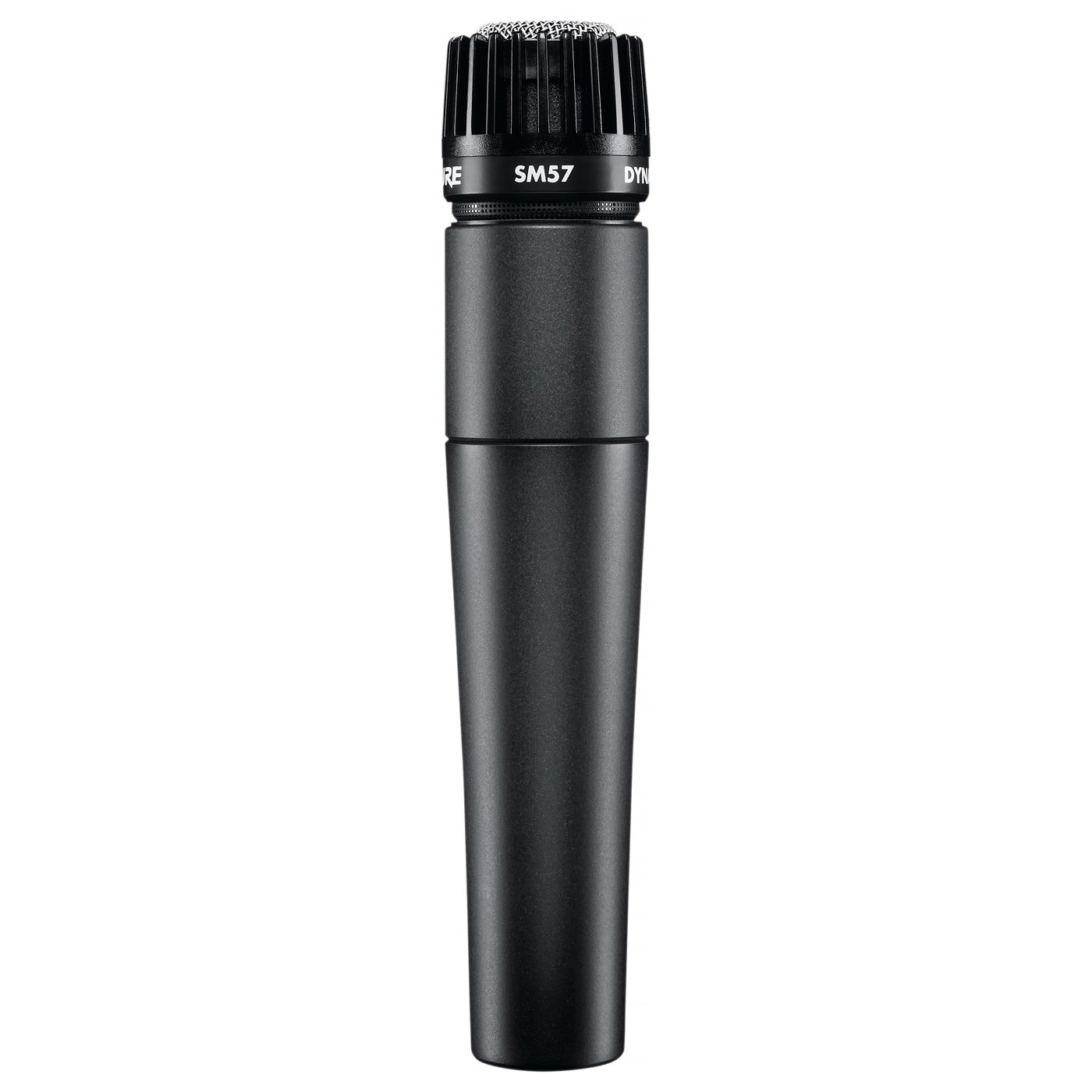
Shure SM57-LC Cardioid Dynamic Microphone
- Industry-standard dynamic microphone for instruments and vocals
- Durable construction for reliable performance
- Cardioid pickup pattern minimizes off-axis coloration
The Shure SM57 is an indispensable tool for capturing a professional guitar sound, offering exceptional durability and sonic versatility that makes it a go-to choice for countless musicians and engineers.
View on Amazon →As an Amazon Associate I earn from qualifying purchases.
Headphones: Monitoring Your Sound
Good headphones are essential for monitoring your recordings and for mixing. Open-back headphones offer a more natural and spacious sound, making them ideal for mixing. However, they leak sound, so they’re not suitable for recording. Closed-back headphones provide better isolation, preventing sound from bleeding into the microphone.
I recommend looking at options from Audio-Technica, Sennheiser, and Sony. The Audio-Technica ATH-M50x are a popular choice for their accurate sound and comfortable fit. Sennheiser HD280 Pro are another solid option, known for their clarity and isolation. Sony MDR-7506 are industry standard.
A flat frequency response is important for accurate monitoring. Avoid headphones that are overly bass-heavy or bright. You want to hear your recordings as they truly are, without any coloration. Comfort is also crucial – you’ll be wearing these for extended periods.
Consider your recording environment. If you’re recording in a noisy room, closed-back headphones are a must. If you’re in a quiet room, open-back headphones can provide a more enjoyable listening experience.
- Audio-Technica ATH-M50x: Accurate sound, comfortable fit.
- Sennheiser HD280 Pro: Clarity and isolation.
- Sony MDR-7506: These are in every pro studio for a reason. They are flat and honest.
Featured Products

Professional sound quality · Comfortable for long sessions · Durable construction
These headphones offer excellent sound isolation and accurate audio reproduction, crucial for monitoring your guitar recordings without external noise interference, all while staying within a tight budget.

High sound pressure level · Excellent ambient noise attenuation · Robust design
These headphones offer excellent sound isolation and accurate audio reproduction, crucial for monitoring your guitar recordings without external noise interference, all while staying within a tight budget.

Large diaphragm for clear sound · Wide frequency response · Durable and foldable design
These headphones offer excellent sound isolation and accurate audio reproduction, crucial for monitoring your guitar recordings without external noise interference, all while staying within a tight budget.

Active Noise Canceling (ANC) · Bluetooth wireless connectivity · Closed-back design for isolation
These headphones offer excellent sound isolation and accurate audio reproduction, crucial for monitoring your guitar recordings without external noise interference, all while staying within a tight budget.
As an Amazon Associate I earn from qualifying purchases. Prices may vary.
Software: DAWs and Plugins
You’ll need a Digital Audio Workstation (DAW) to record, edit, and mix your music. Luckily, there are excellent free options available. GarageBand (for Mac) is a powerful and intuitive DAW that’s perfect for beginners. Cakewalk by BandLab (for Windows) is another excellent free option with a wide range of features.
If you’re willing to spend a little money, Reaper is a fantastic DAW that offers incredible value. It’s highly customizable and has a thriving community. Affordable paid options like Ableton Live Intro and FL Studio Fruity Edition are also worth considering. I don't believe in overwhelming beginners with too many software choices.
Essential plugins include an EQ (for shaping the tone of your instruments), a compressor (for controlling dynamics), and a reverb (for adding space and depth). There are many free plugins available online that can get you started. Waves offers a free plugin bundle, and many developers offer trial versions of their plugins.
Don’t get bogged down in the pursuit of the perfect plugins. Focus on learning the fundamentals of audio engineering and using the tools you have effectively. A good recording with basic processing will always sound better than a poorly recorded track with fancy plugins.
Cables and Accessories: Don't Forget These!
It’s easy to overlook the small stuff, but good cables and accessories are essential. You’ll need an instrument cable to connect your guitar to the audio interface, and an XLR cable to connect your microphone. Mogami and Hosa are reputable brands that offer good quality at reasonable prices.
A microphone stand is also essential for proper microphone placement. A boom stand is versatile and allows you to position the microphone exactly where you need it. A headphone adapter may be necessary if your headphones have a different plug size than your audio interface. I recommend getting a few extra cables – you never know when one might fail.
Don’t skimp on cables. Cheap cables can introduce noise and reliability issues. A good power conditioner isn't essential at this budget, but it’s something to consider down the line. It can protect your equipment from power surges and improve sound quality.
Other useful accessories include a guitar pick, a tuner, and a metronome. These tools will help you play in time and tune your guitar accurately.
Putting It All Together: A $500 Example
To stay under the $500 limit, you have to be aggressive. A Yamaha Pacifica 012 costs $180. Pair that with a Behringer U-Phoria UM2 for $45 and a Shure SM57 for $100. Add a pair of Sony MDR-7506 headphones for $90 and $50 for cables. That brings the total to $465, leaving enough for a pack of strings.
Here’s an alternative configuration focusing on acoustic recording. Yamaha FG800 acoustic guitar: $220. Focusrite Scarlett Solo: $120. Shure SM57: $100. Closed-back headphones (Sennheiser HD280 Pro): $80. Cables and accessories: $80. Total: $600. Again, slightly over, but swapping the headphones to a cheaper model brings it within budget.
Remember that these are just starting points. Feel free to customize the setup to your needs and preferences. You might prefer a different guitar, a different microphone, or a different DAW. The important thing is to create a setup that inspires you and allows you to make music.
This $500 setup provides a solid foundation for home recording. It's capable of producing professional-sounding recordings, and it will allow you to learn and grow as a musician and producer. Don't be afraid to experiment, and most importantly, have fun!
No comments yet. Be the first to share your thoughts!