
The Rise of AI Guitar Teachers
For decades, learning guitar meant lessons with a teacher, instructional books, or early digital tools like Guitar Tab. These methods all worked, but they had limitations. A teacher’s time is finite, books can’t adapt to your progress, and early software often lacked engaging feedback. Now, we’re seeing a genuine shift with the emergence of AI-powered guitar learning apps. It feels different this time, and that’s because the underlying technology has finally caught up to the promise.
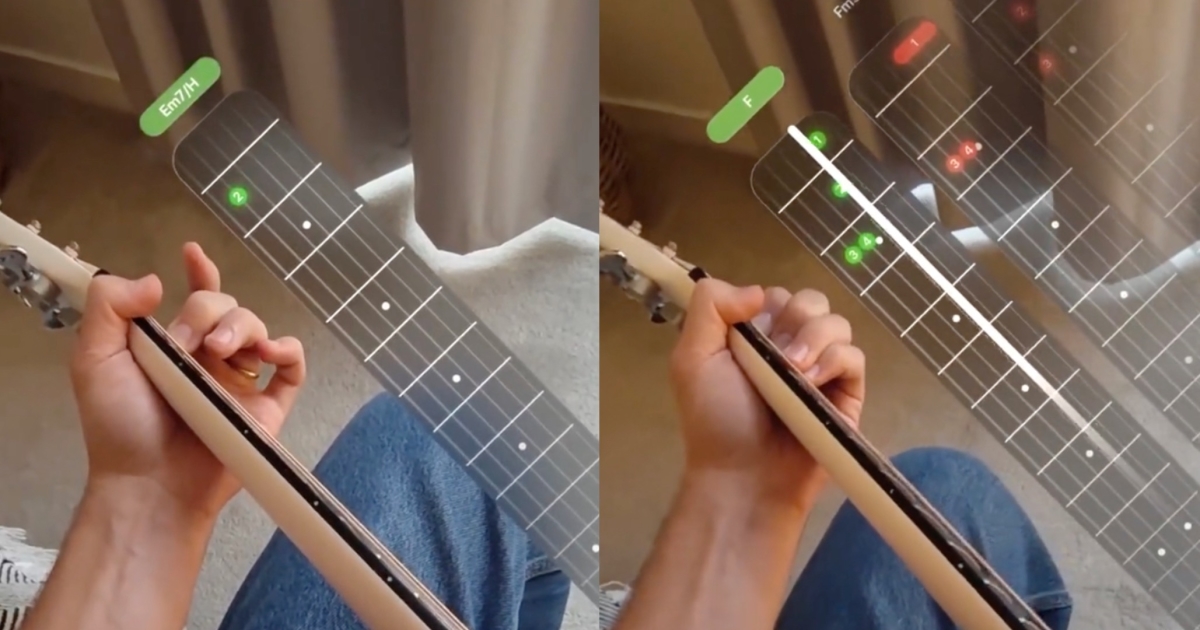
The real change isn’t just that we have digital lessons, but how those lessons are delivered. Improvements in machine learning, especially in audio analysis, are the core of this transformation. We have algorithms that can reliably identify chords, detect timing inaccuracies, and even assess the quality of your tone. Combine that with more powerful processing, and you get apps that can provide personalized, real-time feedback—something previously unavailable outside of a private lesson.
It’s easy to get caught up in the hype surrounding AI, but it’s important to remember this is an evolution, not a revolution. Digital guitar lessons have been around for a while. What’s new is the intelligence layered on top. This isn't about replacing teachers; it’s about creating a powerful, accessible tool that complements traditional learning and opens up guitar playing to a wider audience. I think we’ll see these tools become increasingly integrated into how people learn, regardless of their experience level.
The cost of entry is also a significant factor. Many of these apps offer subscription models that are considerably cheaper than weekly lessons with a qualified instructor. This makes learning guitar more financially accessible, which is a huge benefit. You’re getting a lot of technology for a relatively small monthly fee, and that’s driving adoption.
Core AI Technologies in Guitar Apps
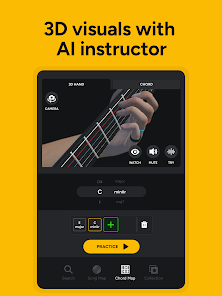
At the heart of these apps are several key AI technologies working in concert. The most fundamental is Automatic Chord Recognition (ACR). This isn’t a new concept—it’s been used in music information retrieval for years—but recent advancements have made it far more accurate and reliable. The apps listen to your playing and identify the chords you’re attempting, providing immediate feedback on correctness.
Beyond simply recognizing chords, these apps use real-time feedback systems to analyze your timing, strumming patterns, and even the consistency of your notes. This typically involves comparing your playing to a reference recording and highlighting areas where you’re off-beat or making mistakes. It's not just about 'right' or 'wrong' though; many apps now provide a score or visual representation of your accuracy, allowing you to track your progress.
Personalization is another crucial element. Personalized learning algorithms analyze your performance data—your accuracy, speed, and the types of mistakes you’re making—to tailor the curriculum to your skill level and learning style. The app will adjust the difficulty of exercises, introduce new concepts at an appropriate pace, and focus on areas where you need the most improvement. Some apps, like Yousician, really lean into this adaptive learning approach.
While still emerging, AI-driven music generation is starting to appear in some apps. This allows the app to create custom practice exercises based on your goals. For example, if you want to improve your blues improvisation, the app might generate a backing track in a specific key and tempo, providing you with a platform to practice your solos. This is a really exciting development, but the quality of the generated music still varies considerably. I’m not sure we’re at the point where AI can consistently create truly inspiring backing tracks.
Top AI Guitar Apps of 2026
The AI guitar app market is surprisingly competitive, with several strong contenders vying for users. Here's a look at some of the leading apps as of 2026, keeping in mind that this landscape is constantly evolving.
Yousician remains a dominant force. It’s known for its gamified approach, making learning fun and engaging. Yousician excels at providing real-time feedback on accuracy and timing, and its song library is extensive. However, some users find the game-like structure can be distracting, and the subscription price is on the higher end. It’s best suited for beginners and intermediate players who enjoy a structured learning path.
Fender Play has significantly evolved since its initial launch. They’ve integrated more sophisticated AI features, including personalized exercise recommendations and a more nuanced assessment of technique. Fender Play benefits from Fender’s brand recognition and access to a vast library of licensed songs. It’s a good option for players who want to learn popular songs and are invested in the Fender ecosystem.
Ultimate Guitar has also entered the AI space, leveraging its massive database of guitar tabs and chords. Their AI features focus on providing accurate chord recognition and suggesting alternative voicings. While not as comprehensive as Yousician or Fender Play in terms of structured lessons, it’s a valuable tool for players who already have some experience and want to learn new songs. The app's integration with its tab library is a major strength.
Chordify takes a different approach, focusing on automatically generating chords for any song. It's less about structured learning and more about providing instant access to chords for your favorite music. This is great for campfire singalongs or learning songs by ear, but it doesn't offer much in the way of personalized feedback or instruction.
Jamstuck is gaining traction with its focus on technique. It uses AI to analyze your playing and provide detailed feedback on your timing, accuracy, and tone. It's particularly good at identifying and correcting common mistakes. It's a good option for players who are serious about improving their technique and are willing to pay a premium price.
Songsterr offers a similar experience to Ultimate Guitar, but with a stronger emphasis on interactive tab playback and AI-powered chord recognition. It's a great resource for learning songs accurately and efficiently. Its tab library is also extensive, and it supports a wide range of instruments.
GuitarTuna, best known for its accurate tuner, has expanded to include AI-powered learning features. It offers personalized lessons and exercises, focusing on building a solid foundation in guitar playing. It's a good option for beginners who want a simple and affordable learning solution.
- Yousician: Best for gamified learning and extensive song library.
- Fender Play: Best for Fender ecosystem integration and personalized lessons.
- Ultimate Guitar: Best for learning songs from a massive tab database.
- Chordify: Best for quickly finding chords for any song.
- Jamstuck: Best for detailed technique analysis and feedback.
- Songsterr: Best for interactive tab playback and accurate learning.
- GuitarTuna: Best for affordable and simple learning.
AI-Powered Guitar Learning App Comparison - 2026
| App Name | Skill Level | Core AI Features | Song Library Size | Platform Availability | Unique Selling Point |
|---|---|---|---|---|---|
| Yousician | Beginner to Intermediate | Automatic Chord Recognition, Personalized Feedback, Adaptive Learning | Extensive - Regularly Updated | iOS, Android, Web | Gamified learning experience with real-time feedback on a wide variety of songs. |
| Fender Play | Beginner to Intermediate | Chord Recognition, Progress Tracking, Personalized Lessons | Large - Focus on Popular Songs | iOS, Android, Web | Official Fender lessons with a strong emphasis on foundational skills and artist-driven content. |
| Ultimate Guitar (with AI features) | Beginner to Advanced | Chord Recognition, Tab Pro integration with AI assistance, Personalized practice suggestions | Massive - User-Generated and Official Tabs | iOS, Android, Web | Vast song library leveraging the Ultimate Guitar community and AI-powered tab assistance. |
| Chordify | Beginner to Intermediate | Automatic Chord Recognition, Key Detection, Simplified Chord Charts | Large - Based on YouTube and Spotify Integration | iOS, Android, Web | Focuses on quickly providing chords for any song available on major streaming platforms. |
| Songsterr | Intermediate to Advanced | Automated Tab Generation, Playback Speed Control, Multi-Instrument View | Extensive - High-Quality Tabs | iOS, Android, Web | Detailed and accurate guitar, bass, and drum tabs with realistic playback capabilities. |
| GuitarTricks | Beginner to Intermediate | Progress Tracking, Personalized Learning Paths, Interactive Lessons | Over 7,000 lessons | iOS, Android, Web | Structured learning paths with a focus on specific genres and techniques. |
Illustrative comparison based on the article research brief. Verify current pricing, limits, and product details in the official docs before relying on it.
Beyond Chords: AI for Technique
While many AI guitar apps excel at chord recognition, accurately assessing technique is a much greater challenge. Timing and accuracy are relatively easy to measure, but things like tone, vibrato, and bending require more sophisticated analysis. However, progress is being made. Apps like Jamstuck are leading the charge, using AI to analyze subtle nuances in your playing and provide feedback on your technique.
One of the biggest hurdles is capturing the full range of human expression. Audio analysis alone can only tell you so much. Some apps are starting to leverage device sensors – the accelerometer and gyroscope in your smartphone or tablet – to gather more data about your playing. This allows them to detect things like pick angle, string attack, and even hand movements.
I suspect we’ll see more integration with wearable sensors in the future. Imagine a smart guitar pick or a wristband that can track your finger movements and provide real-time feedback on your technique. This would open up new possibilities for personalized instruction and allow AI to provide even more accurate and nuanced guidance. This is still largely experimental, though.
Despite these advancements, accurately assessing technique remains an open research problem. It’s difficult for AI to capture the subjective qualities of good playing – the feel, the emotion, the musicality. That’s where a human teacher still has a clear advantage.
Personalization: The AI Learning Path
Personalization is the cornerstone of effective AI-powered guitar learning. These apps don’t just present you with a generic curriculum; they adapt to your individual skill level, learning style, and goals. But how do they do it? It starts with an initial assessment, typically involving playing a few simple exercises or songs.
The app collects a wealth of data during your practice sessions, including your accuracy, timing, the types of mistakes you’re making, and your overall progress. This data is then fed into a personalized learning algorithm, which adjusts the difficulty of exercises, introduces new concepts at an appropriate pace, and focuses on areas where you need the most improvement. The goal is to create a learning path that is challenging but not overwhelming.
However, this data collection raises privacy concerns. It’s important to understand what data the app is collecting, how it’s being used, and whether it’s being shared with third parties. Reputable apps will have clear privacy policies that outline these practices. Always read the fine print before signing up.
Some apps also allow you to set specific goals – for example, learning a particular song or mastering a specific technique. The AI will then tailor the curriculum to help you achieve those goals. This level of personalization is a game-changer, allowing you to learn more efficiently and effectively. It's not just about learning what to play, but learning how to learn.
The Future of AI Guitar Learning
The future of AI-powered guitar learning is bright, with several exciting developments on the horizon. I anticipate we’ll see more sophisticated AI tutors that can provide nuanced feedback on a wider range of playing skills, including tone, dynamics, and musicality. These tutors will be able to understand your musical intentions and offer suggestions for improvement.
AI-driven music generation will also become more advanced. Apps will be able to create custom exercises tailored to your specific goals, generate backing tracks in any style, and even compose original music based on your preferences. Imagine an app that can create a blues solo in the style of Stevie Ray Vaughan, specifically designed to challenge your skills.
AI-driven collaboration tools could also emerge, allowing players to jam with virtual musicians. This would be particularly valuable for players who don’t have access to a band or other musicians. You could practice improvising over a virtual rhythm section or collaborate with other players remotely.
The metaverse angle is interesting, but I’m skeptical about its immediate impact. While virtual reality could offer immersive learning experiences, it’s still a relatively niche technology. I think we’ll see more practical applications of AI, such as improved feedback systems and personalized learning algorithms, before we see widespread adoption of virtual guitar lessons. The key will be making the technology accessible and affordable.
Limitations and What AI Can't Teach
Despite all the advancements in AI, it’s important to remember that these apps are not a replacement for a good human teacher. AI can provide valuable feedback and guidance, but it can’t replicate the experience of learning from a skilled musician who can inspire you, challenge you, and help you develop your own unique voice.
Musicality, creativity, and developing a personal style are things that are harder for AI to assess and teach. These are subjective qualities that require human judgment and intuition. A teacher can help you explore different musical ideas, experiment with different techniques, and find your own sound.
The social aspect of learning music is also important. Playing with other musicians, collaborating on projects, and performing in front of an audience are all essential parts of the musical experience. A It’s a solitary experience, and while it can be effective for learning the fundamentals, it can’t replace the joy of making music with others.
Ultimately, AI is a tool. It’s a powerful tool, but it’s still just a tool. It’s up to you to use it effectively and to supplement it with other learning resources, such as lessons with a teacher and playing with other musicians. Don’t rely on AI to do all the work for you. Embrace the challenges, explore your creativity, and have fun.
No comments yet. Be the first to share your thoughts!