

Resonators & Responsibility: A Shift?
The guitar world is starting to change. For years, players focused on tone and playability, often ignoring the environmental impact of their instruments. This is shifting, especially with resonator guitars, which historically relied on specific, sometimes threatened, tonewoods.
Eco-conscious products are in demand across industries, and guitars are no exception. Consumers are asking more questions about where their instruments come from and how they're made. This is about long-term resource availability and responsible manufacturing.
Republic Guitars, based in Austin, Texas, is one company adapting to these changes. They've built a reputation for accessible resonator guitars, and their approach to materials and manufacturing warrants a closer look.
The Tonewood Problem: Beyond Mahogany
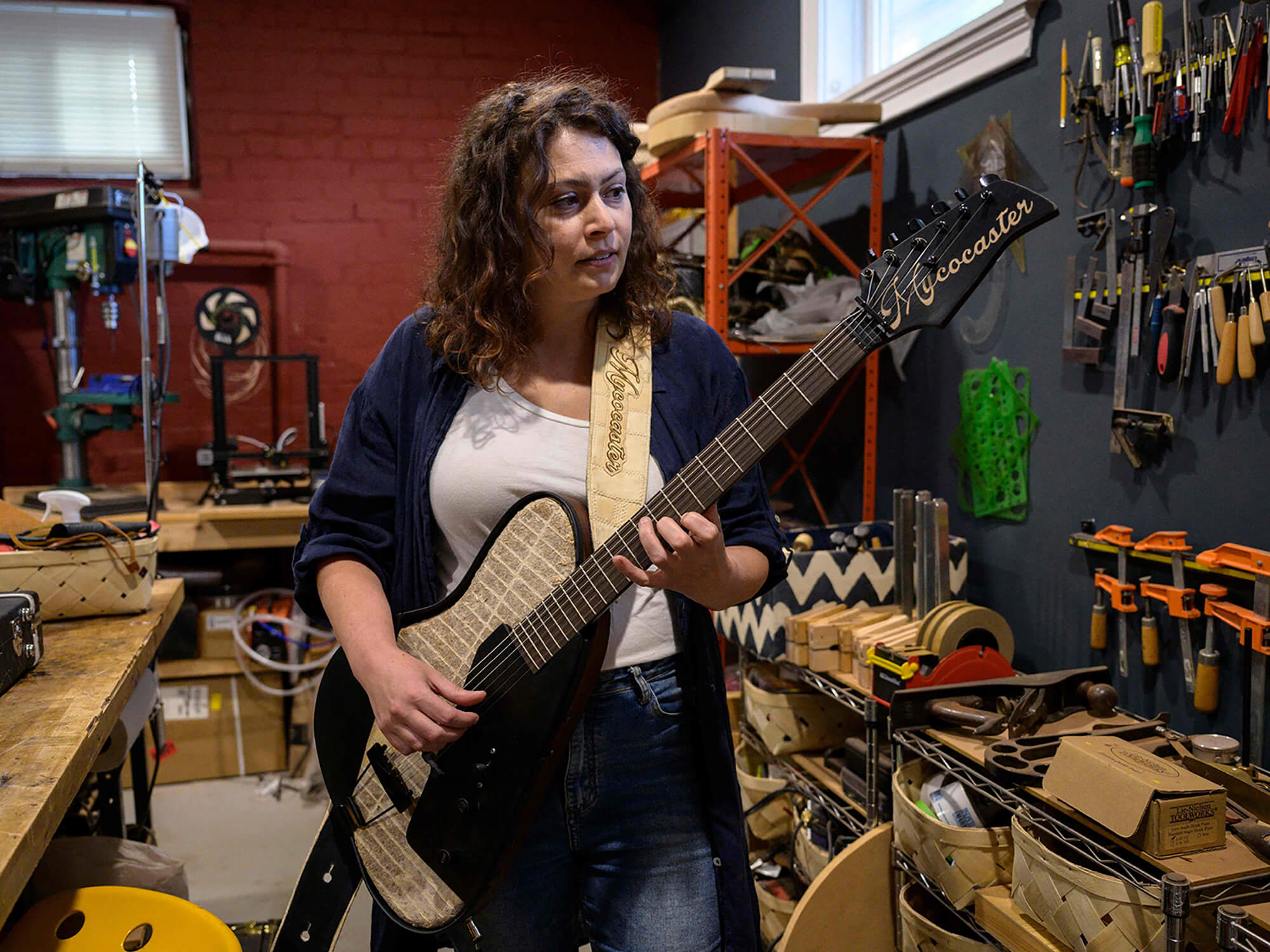
Traditional guitar building relies heavily on a few tonewoods, and several face serious environmental pressures. Mahogany, prized for its warmth and sustain, has been overharvested in regions like Central and South America, leading to deforestation and habitat loss. A GuitarWorld.com article on alternative tonewoods highlights this urgency.
Rosewood, popular for fingerboards and backs/sides, is also under threat. Certain species, like Brazilian rosewood, are heavily restricted under CITES due to unsustainable logging. This impacts wood availability and cost.
Ebony, used for fingerboards, faces similar challenges in West Africa. Demand exceeds sustainable supply, contributing to forest degradation and jeopardizing local ecosystems. While these woods offer specific tonal qualities and are easy to work with, their continued use is problematic.
The issue extends beyond the wood to the entire supply chain. Illegal logging, lack of transparency, and poor forest management practices contribute to the problem. Understanding wood origin is becoming as important as its tonal properties.
Alternative Woods: What’s Being Tried?
Guitar manufacturers are exploring alternative tonewoods to reduce reliance on endangered species. Roasted woods, like roasted maple or ash, are gaining popularity. Roasting enhances stability and resonance while reducing weight, and doesn’t require harvesting new trees.
Reclaimed wood, salvaged from old buildings, furniture, or fallen trees, offers a sustainable option. It provides a unique aesthetic and reduces demand for new materials. Thermally modified wood, similar to roasting, alters wood properties to make it more stable and resistant to decay.
Less-traditional species are being investigated. Paulownia, a fast-growing hardwood, is lightweight and resonant, but its durability is questioned. Koa, while expensive, is grown sustainably in Hawaii. Myrtlewood, found in Oregon, offers a bright, clear tone.
These alternatives present challenges. Tonal differences can be significant, requiring luthiers to adjust building techniques. Long-term durability and stability are ongoing concerns with newer materials. Finding consistent supply and quality can be difficult.
- Roasted Maple/Ash: Enhanced stability, resonance, reduced weight.
- Reclaimed Wood: Unique aesthetic, reduced demand for new materials.
- Thermally Modified Wood: Increased stability and decay resistance.
- Paulownia: Lightweight, resonant, but durability is a concern.
- Koa: Sustainably grown in Hawaii, relatively expensive.
- Myrtlewood: Bright, clear tone, sourced from Oregon.
Traditional vs. Alternative Tonewoods for Guitar Manufacturing
| Wood Type | Sustainability | Tone | Workability | Cost |
|---|---|---|---|---|
| Mahogany | Historically overharvested; sourcing is a concern. Sustainable options exist with certified sources. | Warm, rich, with good sustain. Often described as having a focused midrange. | Generally good; machines well and takes finishes easily. | Moderate to Higher, depending on species and availability. |
| Rosewood (Brazilian/Indian) | Brazilian Rosewood is highly endangered and restricted. Indian Rosewood faces sustainability challenges due to high demand. | Complex overtones, bright with a strong bass response. Often used for fretboards. | Can be challenging due to its density and potential for tear-out; requires sharp tools. | Moderate to High, especially for high-grade Indian Rosewood. |
| Ebony | Sourcing is a significant concern due to overharvesting and limited natural regeneration. | Bright, crisp, and articulate. Provides a snappy response, often favored for fretboards. | Dense and hard; requires precise machining and careful finishing. | Higher, due to scarcity and difficulty in working. |
| Roasted Maple | Generally considered sustainable as it utilizes readily available Maple, with the roasting process enhancing stability and reducing waste. | Bright, focused tone with increased sustain. Roasting enhances resonance. | Excellent; the roasting process makes it very stable and easy to work with. | Moderate, often comparable to standard Maple. |
| Paulownia | Fast-growing and highly sustainable; often grown in plantations. | Lightweight with a balanced tone. Can be bright but lacks the complex overtones of denser woods. | Very easy to work with; lightweight and machines well. | Lower, due to its rapid growth and abundance. |
| Koa | Historically overharvested, but sustainable forestry practices are becoming more common in Hawaii. Sourcing is key. | Bright, clear tone with a strong midrange and a warm, sweet character. Develops a beautiful luster with age. | Can be challenging due to its interlocking grain; requires careful attention to detail. | Higher, due to its limited availability and desirable appearance. |
Qualitative comparison based on the article research brief. Confirm current product details in the official docs before making implementation choices.
Republic Guitars' Approach: A Case Study
Republic Guitars focuses on resonator instruments and making them accessible. Their website, republicguitars.com, details their material choices and manufacturing processes. They use various woods, and while they don’t exclusively rely on alternative materials, they are mindful of sourcing.
They primarily use mahogany and maple, seeking responsibly sourced options. They've incorporated roasted woods into some models to offer increased stability and reduce reliance on old-growth timber. While mahogany is still a concern, it's often sourced from managed plantations, though verifying their sustainability is complex.
Republic Guitars' manufacturing process emphasizes efficiency and waste reduction. They aim to minimize material waste during construction and use sustainable packaging. Their direct-to-consumer model reduces transportation costs and environmental impact compared to traditional distribution networks.
Specific forestry certifications are not prominently displayed on their website, an area for transparency improvement. However, their overall approach shows a willingness to address sustainability concerns in affordable resonator guitar production. They are working to balance cost with responsible practices.
Beyond Wood: Greener Guitar Components
Sustainability extends beyond tonewoods. Finishes, for example, traditionally rely on nitrocellulose lacquer, which contains volatile organic compounds (VOCs). Many manufacturers are switching to water-based finishes, less harmful to the environment and human health.
Glues are another concern. Traditional hide glues are animal-derived, while some synthetic glues contain formaldehyde. Hardware, like tuners and bridges, often uses metals sourced from environmentally damaging mining operations.
Exploring sustainable metal sourcing and using recycled metals are important steps. Even case materials can be improved – using recycled fabrics or bio-based plastics instead of traditional vinyl or leather. Packaging is also a significant contributor to waste, and minimizing packaging or using recycled/recyclable materials is crucial.
Opportunities exist to use bio-based plastics for components like pickguards or binding. These plastics are derived from renewable resources, such as cornstarch or sugarcane, and are biodegradable. It’s a holistic approach – considering the environmental impact of every component, not just the wood.
- Finishes: Switching from nitrocellulose lacquer to water-based finishes.
- Glues: Using non-toxic, water-based glues.
- Hardware: Sourcing sustainable or recycled metals.
- Case Materials: Utilizing recycled fabrics or bio-based plastics.
- Packaging: Minimizing packaging and using recycled/recyclable materials.
Component & Material Alternatives
- Body Wood - Mahogany, Rosewood - Roasted or reclaimed wood, Paulownia, or alternative woods like Walnut or Cherry sourced from sustainably managed forests.
- Neck Wood - Maple, Mahogany - Roasted Maple (reduces reliance on traditional kiln-drying), thermally modified wood, or responsibly sourced alternatives.
- Fingerboard - Rosewood, Ebony - Richlite (a composite material made from recycled paper and resin), Pau Ferro, or responsibly sourced Ebony with certification (e.g., from the Rainforest Alliance).
- Finish - Nitrocellulose Lacquer - Water-Based Polyurethane, UV-cured finishes, or oil finishes (require less VOCs).
- Adhesives - Traditional Wood Glues - Low-VOC or formaldehyde-free wood glues. Titebond III Ultimate Wood Glue is a commonly cited example.
- Case Lining - Synthetic Fabrics - Hemp, recycled cotton, or other natural fiber linings.
- Pickguards - Plastic (Celluloid, Acrylic) - Bio-plastics (made from renewable biomass sources), recycled plastics, or alternative materials like wood veneer.
- Strings - Nickel-Plated Steel - Recycled core wire strings. Companies like Ernie Ball now offer 'EarthWire' strings utilizing recycled content.
Carbon Neutrality & Offsetting: Real Impact?
Some guitar companies are aiming for carbon neutrality, meaning they offset their carbon emissions through various programs. These programs often involve investing in renewable energy projects or reforestation efforts. However, the effectiveness of carbon offsetting is a subject of debate.
Critics argue that offsetting can be a form of "greenwashing’ if the underlying emissions aren"t reduced. Accurately measuring a guitar's carbon footprint is also incredibly complex, requiring a full life-cycle assessment – from raw material extraction to manufacturing, transportation, and eventual disposal.
Simply planting trees, for example, doesn't immediately offset carbon emissions, and the long-term survival of those trees is not guaranteed. The quality of carbon offset projects varies significantly, and some may not deliver the promised emissions reductions. It's a nuanced issue with no easy answers.
True sustainability requires a reduction in emissions at the source, not just offsetting. Investing in renewable energy, improving manufacturing efficiency, and reducing transportation distances are all more impactful than relying solely on carbon offsetting programs.
Community Voices: What Players Want
Online guitar communities are increasingly discussing sustainability. A Facebook discussion regarding Republic Guitars following the original owner's passing touched on concerns about quality control, but also included comments about the importance of supporting companies with ethical practices. Players are starting to connect the dots between their purchasing decisions and environmental impact.
Across various forums and Reddit threads, there's a growing interest in knowing the origin of the wood used in guitars. Players are asking questions about CITES compliance and responsible forestry certifications. Many express a willingness to pay a premium for sustainable guitars, but only if they trust the claims being made.
Concerns about "greenwashing’ are prevalent. Players are skeptical of companies that make vague sustainability claims without providing concrete evidence. Transparency and traceability are key. There"s a desire for genuine commitment, not just marketing spin.
The sentiment suggests that sustainability is moving beyond a niche concern and becoming a mainstream consideration for guitar players. The demand is there, but companies need to build trust and demonstrate a genuine commitment to environmental responsibility.
Looking Ahead: 2026 and Beyond
The next few years will likely see continued innovation in alternative tonewoods and sustainable manufacturing practices. We can expect to see more companies experimenting with roasted woods, reclaimed materials, and bio-based plastics. Increased transparency in the supply chain will also be crucial.
Regulations may play a larger role in driving the industry towards greater sustainability. Government policies aimed at reducing deforestation and promoting responsible forestry could incentivize companies to adopt more eco-friendly practices. Consumer pressure will also continue to be a driving force.
While it’s unlikely that sustainable guitars will completely displace traditional instruments by 2026, they will certainly become more prevalent. The demand is growing, and the technology is improving. The future of guitar manufacturing will increasingly be defined by sustainability.
The biggest challenge will be balancing environmental responsibility with affordability and tonal quality. Finding materials and processes that meet all three criteria will be key to widespread adoption. It’s a complex issue, but one that the guitar industry must address to ensure its long-term viability.
No comments yet. Be the first to share your thoughts!