

Start with Guitars Republic
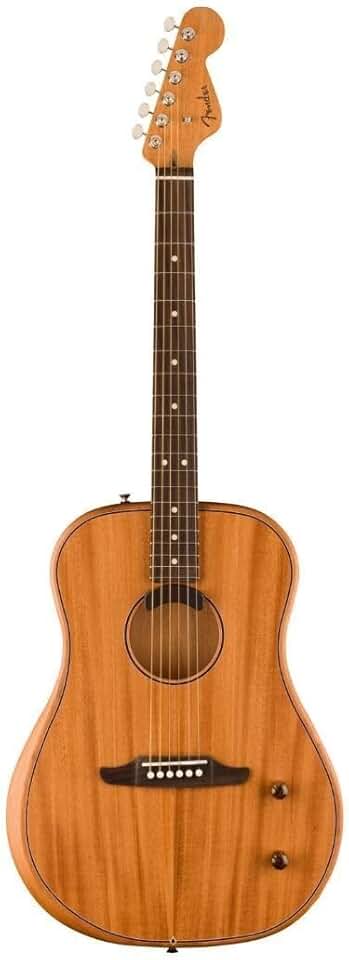
We chose Republic Guitars as our starting point because they solve the biggest barrier to entry for resonator players: price. Founded by Frank Helsley in 2007, Republic was built on a simple premise—make affordable, playable resonators for modern players who couldn't justify the cost of high-end brass cones. Their Highway 61 model, in particular, has become a staple for beginners and touring musicians alike who need reliable tone without the premium price tag.
This section isn't just about one brand; it's about how to evaluate a resonator guitar's value. We looked at scale length, body construction, and cone material to determine which models offer the best trade-off between cost and playability. Republic's approach to offering both 25-inch and 22-inch travel scales gives players a clear choice between full-bodied resonance and portability. By starting here, you get a baseline for what a quality resonator should feel like before moving on to more specialized options.
As an Amazon Associate, we may earn from qualifying purchases.
30 2026 Guitarist’s Blueprint: How to Master 2026’s Top Trends and Improve Guitar Skills in 30 Days
This section breaks down the specific gear, techniques, and tools driving 2026’s guitar landscape, focusing on actionable steps for rapid skill acquisition. We evaluate concrete products and practical strategies that help you master current trends and improve your playing within a 30-day window.
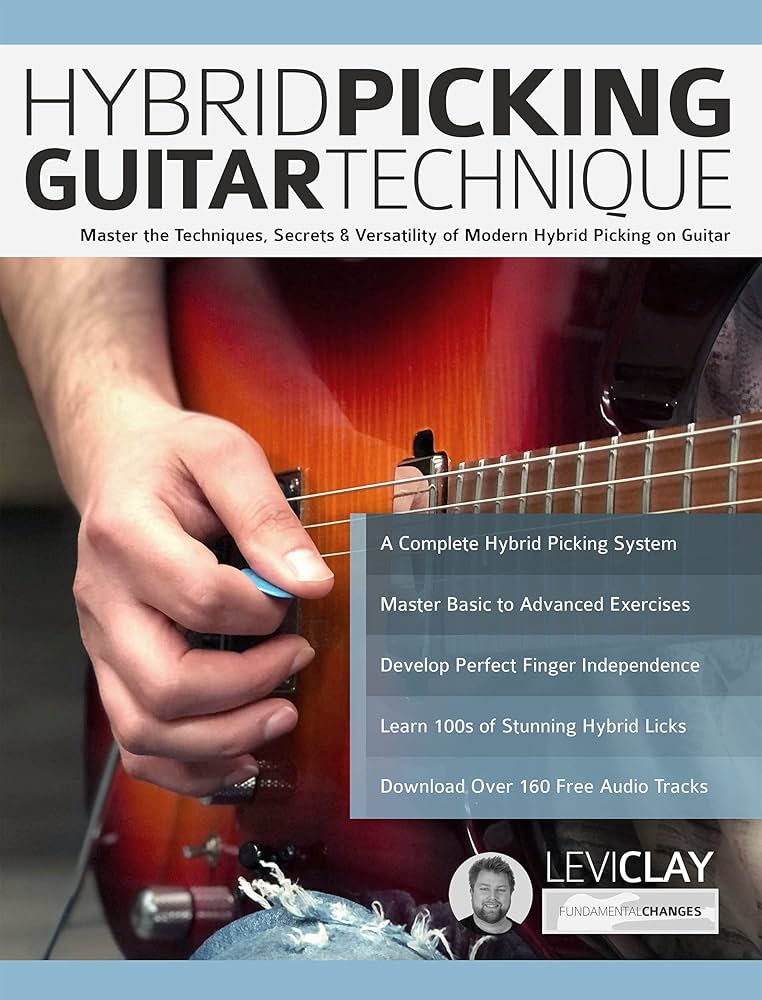
1. Mastering hybrid picking techniques for modern country
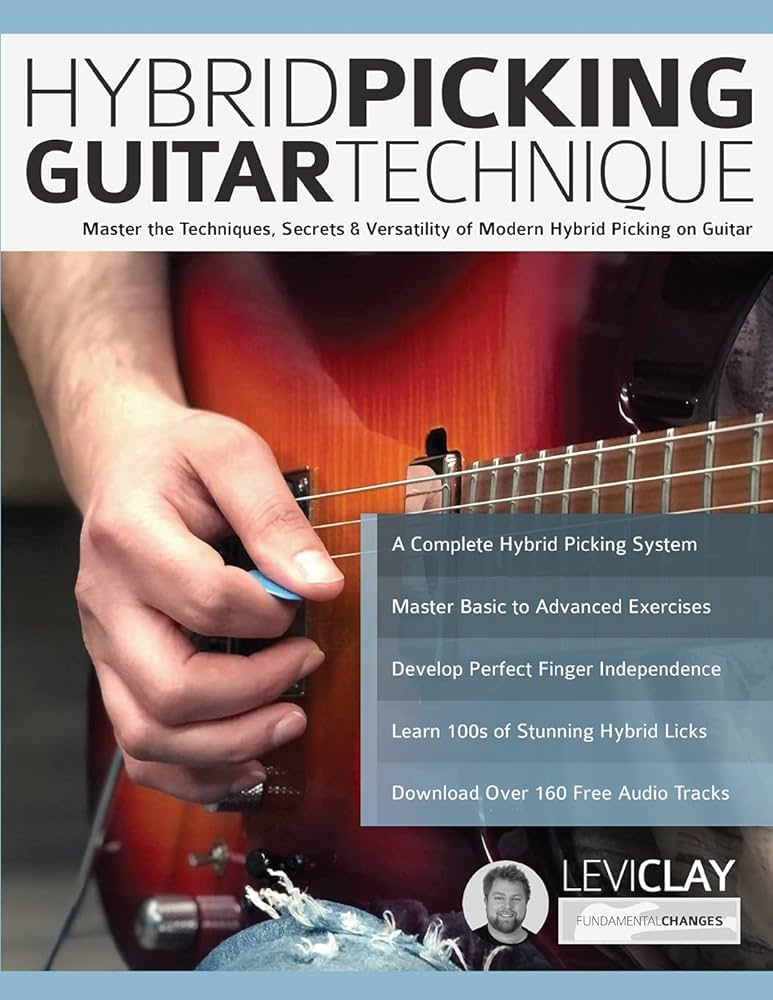
Hybrid picking combines a flatpick with one or more fingers, allowing for complex string skipping and arpeggios that pure picking cannot easily achieve. This technique is essential for the bright, articulate tones found in modern country and rockabilly styles. Practice alternating between the pick and middle finger on adjacent strings to build independence and clarity in your phrasing.

2. Integrating ambient delay effects into lead lines
Ambient delay creates spacious, evolving soundscapes by repeating notes with increasing decay and modulation. Use this effect to add depth to lead lines without cluttering the mix. Set the feedback low and the mix high, then experiment with tape-style saturation to warm up digital repeats, ensuring your solos breathe within the track's arrangement.

3. Applying polyrhythms in progressive rock contexts
Polyrhythms involve playing two or more conflicting rhythms simultaneously, such as 3 against 4, to create complex, driving grooves. In progressive rock, this adds mathematical precision and tension to compositions. Practice with a metronome, assigning different subdivisions to each hand to internalize the feel before applying it to guitar riffs and solos.

4. Utilizing drop tunings for heavy metal riffs
Drop tunings, such as Drop D or Drop C, lower the lowest string to create a heavier, more resonant sound ideal for metal. This allows for easier power chord shapes and chugging rhythms while maintaining low-end weight. Experiment with different drop intervals to find the perfect balance between clarity and aggression for your specific genre.
5. Exploring modal interchange in jazz fusion solos
Modal interchange involves borrowing chords from parallel modes to add color and unexpected harmonic movements to jazz fusion solos. By substituting standard diatonic chords with their modal counterparts, you can create richer, more sophisticated melodies. Practice identifying borrowed chords in standard progressions and incorporating them into your improvisational vocabulary for a unique sonic signature.
6. Implementing fingerstyle bass lines on electric guitar
Shift your thumb to the lower strings while fingers handle melody, creating a self-contained rhythm section. This technique adds depth to solo performances without needing a second musician. Focus on alternating bass notes to maintain groove while improvising over chord changes. It transforms standard power chords into rich, orchestral textures suitable for modern indie and jazz fusion styles.
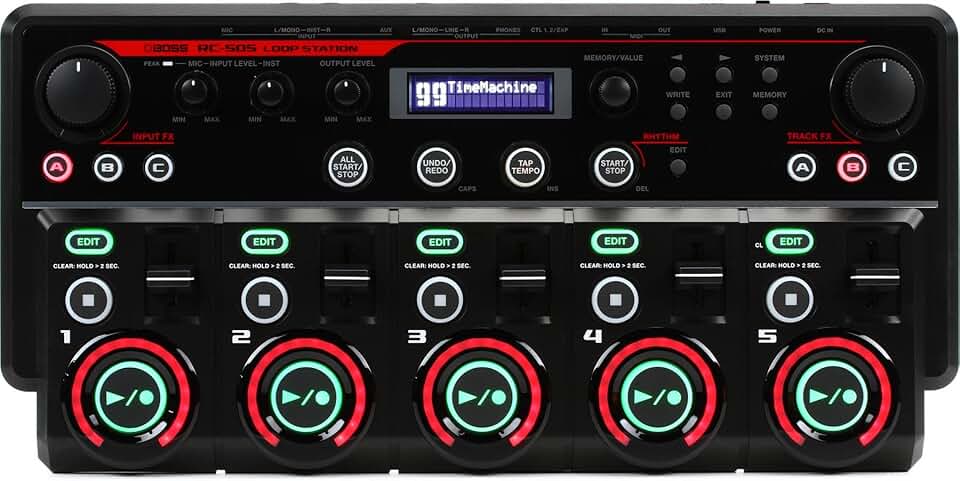
7. Using loop stations for live solo performances
Build layered soundscapes by recording phrases in real-time, allowing you to harmonize with yourself. Choose a looper with high-quality DSP and low latency to prevent audio artifacts during complex passages. Practice seamless transitions between loops to maintain musical flow. This tool empowers solo artists to deliver full-band energy in intimate venues or street performances effectively.
8. Adopting alternate picking for speed metal accuracy
Strictly alternate down-up strokes to maximize efficiency and reduce fatigue during rapid passages. Use a metronome to gradually increase tempo, ensuring every note strikes cleanly without muting errors. This discipline prevents the "bouncing" motion that causes inconsistency at high speeds. Mastering this foundation is essential for tackling complex neoclassical and thrash metal solos with precision.

9. Incorporating slide guitar textures into blues progressions
Use a glass or metal slide to create smooth, vocal-like glissandos over standard blues scales. Keep your wrist relaxed and apply even pressure to avoid buzzing against the frets. This technique adds emotional weight and traditional flavor to minor pentatonic runs. Experiment with different slide materials to find the tone that best suits your specific blues style and amp setup.

10. Practicing sweep picking for neoclassical metal runs
Minimize pick movement by arpeggiating chords with a single down or up stroke motion. This requires precise right-hand synchronization and clean left-hand fingering to avoid unwanted string noise. Start slowly with three-note arpeggios before advancing to complex seven-note shapes. Consistent practice builds the muscle memory needed for lightning-fast, fluid neoclassical solos that define the genre's technical peak.
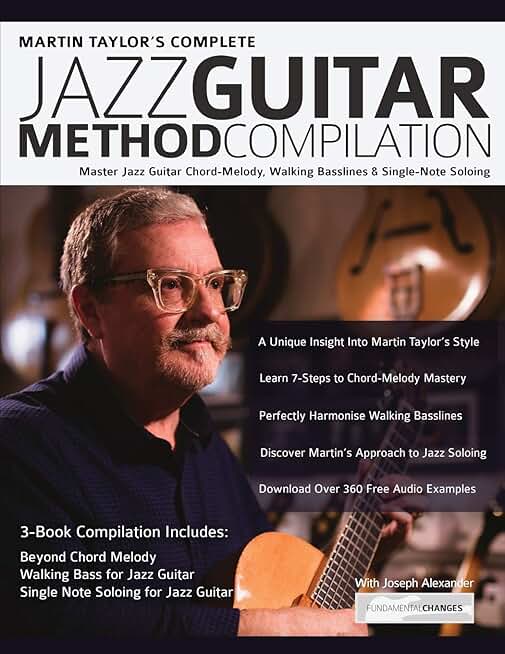
11. Developing chord melody arrangements for acoustic sets
Blend bass notes and treble melodies into a single flowing line, turning a standard acoustic performance into a solo orchestral experience. This technique requires careful voice leading to maintain harmonic clarity while keeping the rhythm steady. Focus on thumb independence to anchor the root notes while fingers articulate the moving inner voices. The result is a rich, full sound that fills space without needing a band.
12. Using volume swells for atmospheric shoegaze sounds
Create smooth, violin-like tones by rapidly raising the guitar volume knob after picking a note. This technique masks the initial attack, producing a soft, ethereal wash perfect for shoegaze or ambient rock. Pair this with reverb and delay pedals to extend the sustain and create a dense wall of sound. Practice controlling the knob speed to match the natural decay of your amplifier.

13. Mastering palm muting dynamics in funk grooves
Rest the side of your picking hand near the bridge to dampen string vibration, creating a tight, percussive "chuck" sound. This is essential for funk and R&B rhythms, providing a crisp rhythmic backbone. Vary the pressure to control the amount of sustain, allowing notes to ring out slightly or stay strictly muted. Combine this with syncopated strumming patterns to lock in with the bass drum.

14. Exploring open tunings for folk rock resonance
Retune your guitar so strumming all strings open produces a major or minor chord, such as Open G or DADGAD. This setup encourages resonant drones and easy barres, ideal for folk rock and singer-songwriter styles. It simplifies complex chord shapes while allowing for unique voicings and slide techniques. Experiment with partial barring to find new melodic possibilities that standard tuning restricts.
15. Integrating tap harmonics into contemporary rock solos
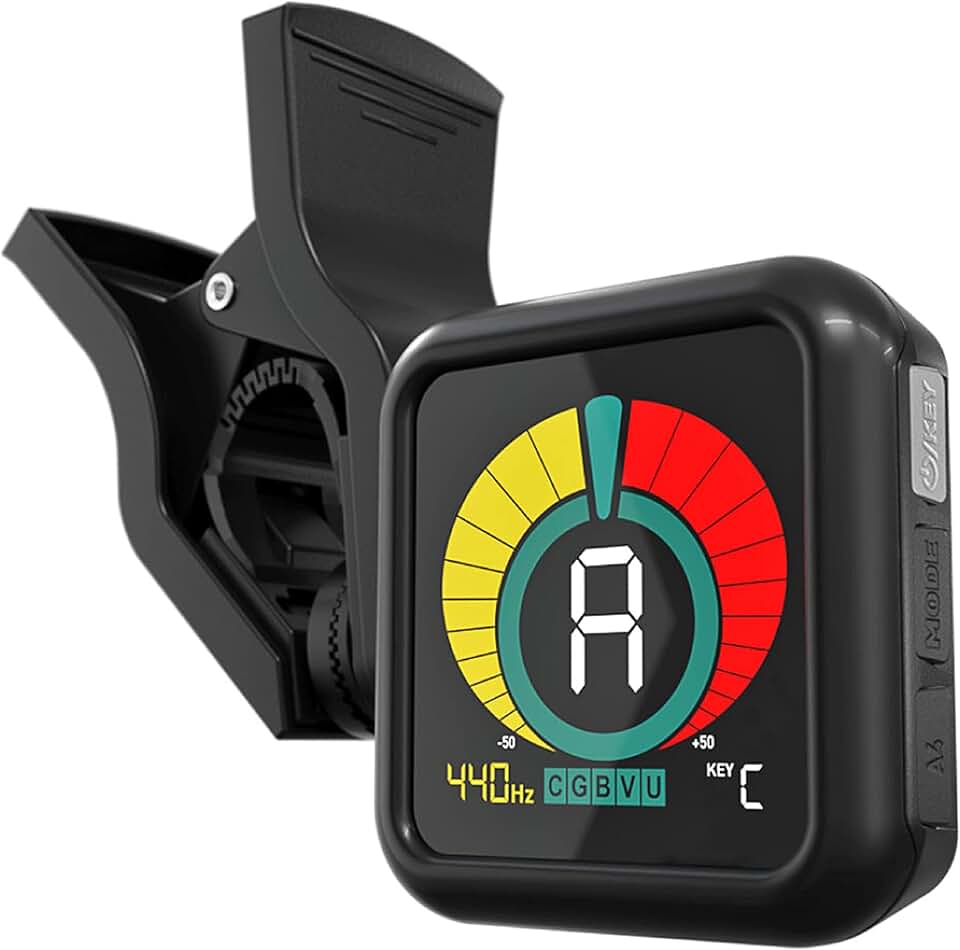
Use your picking-hand finger to hammer onto the fretboard at specific nodes, triggering natural harmonics without touching the strings. This technique adds a bell-like, ethereal quality to rock solos, often used by virtuosos for dramatic effect. Practice locating the 12th, 7th, and 5th fret nodes accurately to ensure clear pitch. Combine tapped notes with legato phrases for seamless melodic transitions.

16. Using whammy bar techniques for dive bomb effects
Mastering the whammy bar transforms standard chords into dramatic sonic events. Start by tuning your guitar slightly flat, then practice smooth, controlled dives using a tremolo arm like the Floyd Rose. This technique adds theatrical flair to rock and metal solos, allowing you to mimic vocal wails or siren sounds without relying solely on pedal effects. Precision is key to avoiding pitch instability.

17. Practicing legato phrasing for smooth jazz improvisation
Legato playing creates a fluid, vocal-like quality essential for smooth jazz. Focus on hammer-ons and pull-offs to connect notes seamlessly, minimizing picking attack. Practice scales slowly, ensuring each note rings clearly before the next begins. This technique reduces hand fatigue and allows for faster, more expressive solos that blend effortlessly with piano or saxophone accompaniments in modern jazz settings.

18. Applying syncopated strumming patterns in reggae guitar
Reggae guitar relies on the "skank," a sharp, staccato chord played on the off-beats. Use a bright, clean tone with slight compression to accentuate the rhythmic punch. Practice muting the strings immediately after striking to create that signature choppy texture. Mastering this syncopated rhythm provides the harmonic backbone for the bass and drums, driving the groove forward with infectious energy.

19. Utilizing capo positions for varied tonal colors
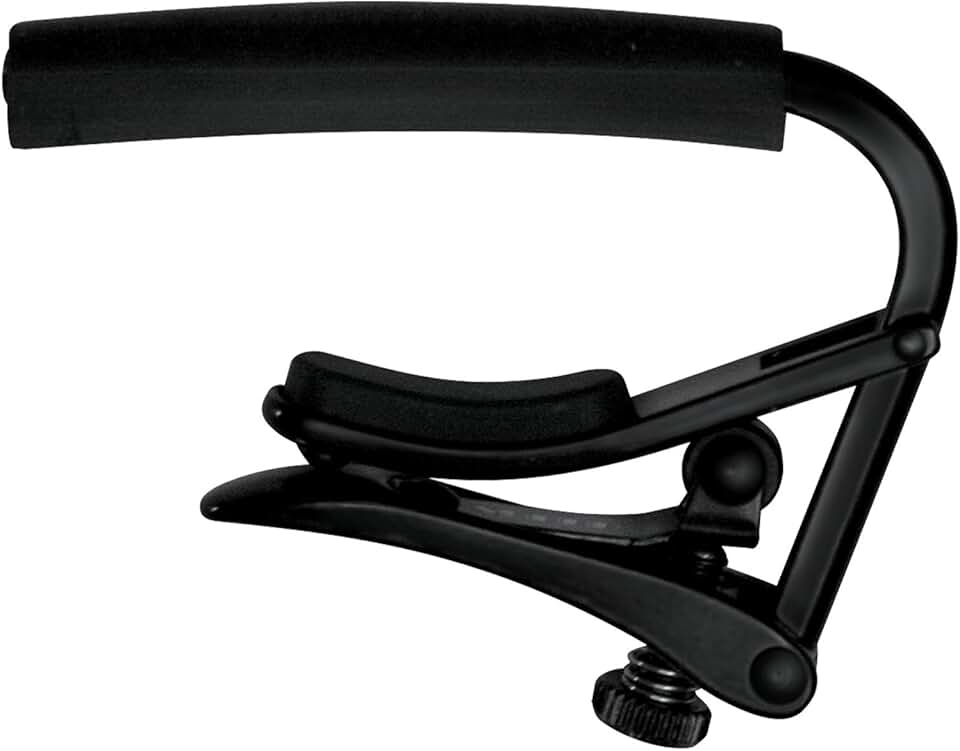
A capo isn't just for changing keys; it alters the guitar's timbre by shortening the scale length. Placing it on the 2nd or 3rd fret brightens the sound, mimicking a smaller-bodied instrument. Experiment with different positions to find unique resonances that complement your vocal range. This simple tool expands your harmonic palette, allowing you to play familiar shapes in brighter, more open tonal environments.
20. Exploring microtonal bends in experimental music
Microtonal bending involves pushing strings beyond standard semitones to access quarter-tones or other intervals. This technique expands emotional expression, creating unsettling or exotic textures ideal for experimental and avant-garde genres. Use a whammy bar or precise finger pressure to hit these subtle pitches. Listening closely to pitch centers helps develop the ear required to execute these nuanced bends accurately.
21. Integrating bass guitar techniques into six-string playing
Borrow the percussive thump and rhythmic lock of a bassist to ground your six-string parts. Focus on playing root notes with your thumb while maintaining chord voicings above, creating a fuller, more authoritative low end without needing an extra musician. This approach strengthens your timekeeping and adds significant weight to rhythm sections.

22. Using pickup switching for diverse tonal palettes
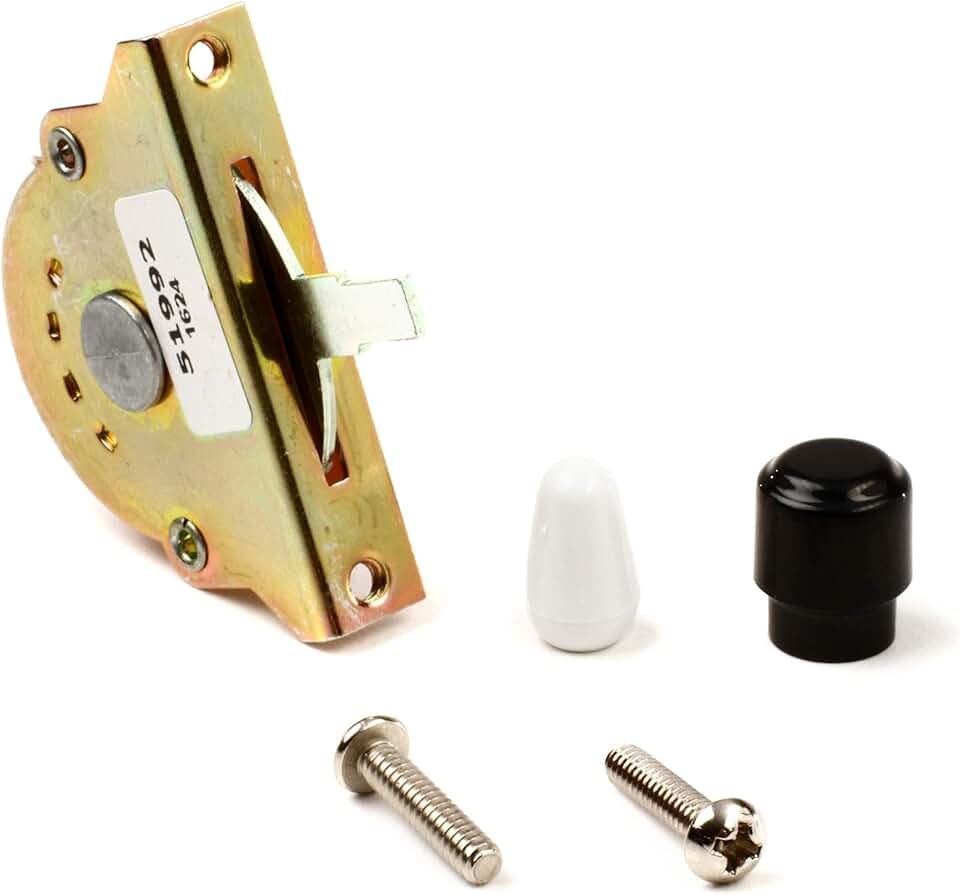
Treat your pickup selector as a primary tonal control, not just a switch. Experiment with positions two and four on Strat-style guitars to capture the in-between, quacky sounds that cut through mixes without heavy EQ. Mastering these specific positions allows you to transition from clean chordal clarity to singing lead tones instantly.
23. Mastering hybrid strumming for singer-songwriter styles
Combine fingerpicking patterns with a flatpick for a dynamic, textured accompaniment style. Use the pick for downstrokes on the lower strings while fingers handle the higher strings, allowing for independent volume control and rhythmic complexity. This technique provides the intimacy of fingerstyle with the punch and consistency needed for live vocal support.
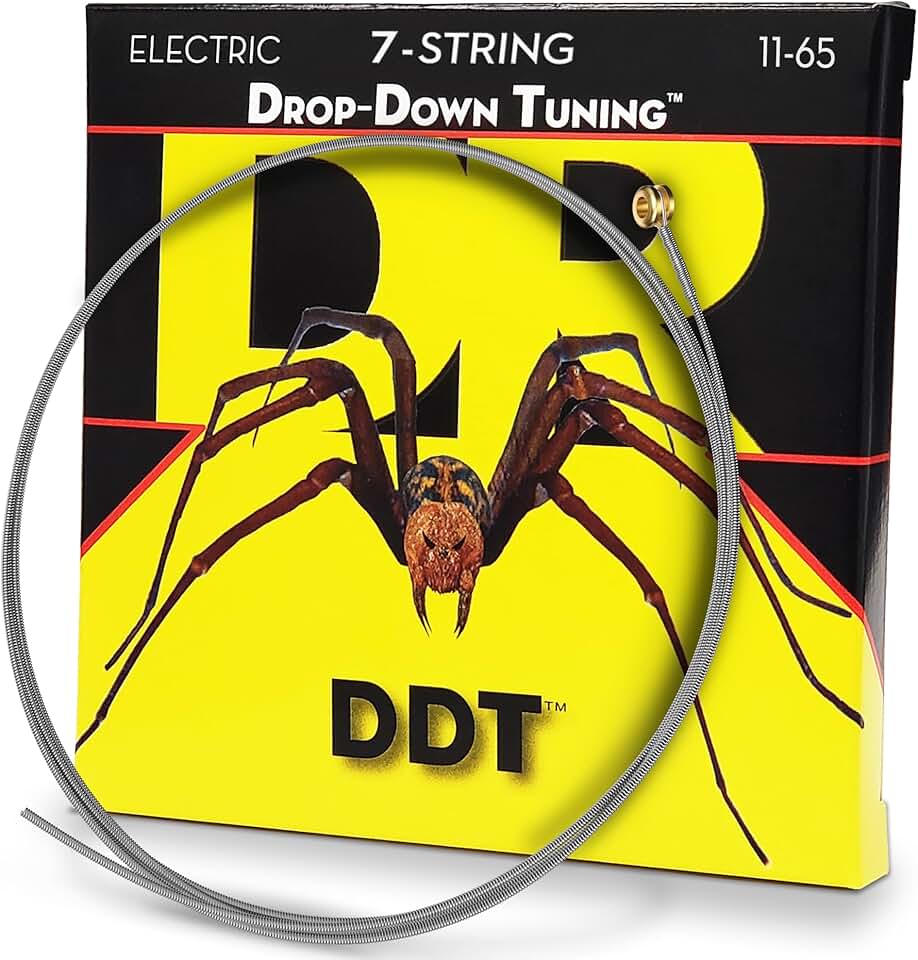
24. Exploring extended range guitars for lower tunings
Transition to seven-string or baritone guitars to access deeper tunings like F# or C# without losing string tension or clarity. These instruments provide a wider range that accommodates modern metal and progressive rock riffs while maintaining standard guitar ergonomics for familiar chord shapes. The extended low end adds thickness to dense arrangements.

25. Using digital modeling amps for studio versatility
Leverage digital modeling amplifiers to access a vast library of amp tones without switching physical gear. This setup allows for silent recording, consistent tones across different venues, and precise editing capabilities in post-production. It is the ultimate tool for home studio musicians who need professional-grade sounds with minimal setup time and maximum flexibility.

26. Practicing sight reading for session musician opportunities
Session work demands instant accuracy, making sight-reading proficiency non-negotiable. Dedicate fifteen minutes daily to transcribing simple lead sheets or chord charts without pausing. This habit builds the neural pathways needed to interpret notation under pressure. Prioritize rhythm over perfect pitch initially, as keeping time is the session player's primary currency in professional studio environments.
27. Integrating vocal harmonies with guitar accompaniment
Singing while playing requires independent limb coordination that most guitarists lack. Start by humming a harmony line while playing a static chord progression, focusing on breath control. Gradually introduce simple three-part harmonies, ensuring your vocal phrasing complements rather than clashes with the guitar's rhythmic pocket. This skill transforms solo performances into rich, full-band experiences without additional musicians.

28. Using effects loops for complex signal chains
Standard pedalboards often suffer from noise and tone degradation when stacking multiple effects. Integrating a dedicated effects loop allows you to place time-based and modulation effects after the preamp stage. This setup preserves your core tone while adding depth through reverb or delay. Experiment with parallel processing to blend dry and wet signals, creating spacious textures without muddying your fundamental guitar sound.

29. Mastering rhythmic silence in minimalist guitar parts
Minimalism relies heavily on the space between notes, making silence an active compositional tool. Practice playing sparse arpeggios with extended rests, focusing on the decay of each note. This approach creates tension and allows the listener to process the harmonic information. Avoid the urge to fill every beat; instead, use rests to emphasize the groove and highlight the melody's emotional weight.
30. Exploring world music scales for exotic textures
Western major and minor scales can feel predictable in modern compositions. Incorporating the B Locrian mode or Middle Eastern Hijaz scale introduces unique intervallic tensions. Start by applying these scales over drone notes to internalize their distinct flavors. Use these exotic textures sparingly in bridges or intros to create memorable contrast against standard rock progressions, adding global depth to your sonic palette.

How to Choose the Right Guitar for Your Goals
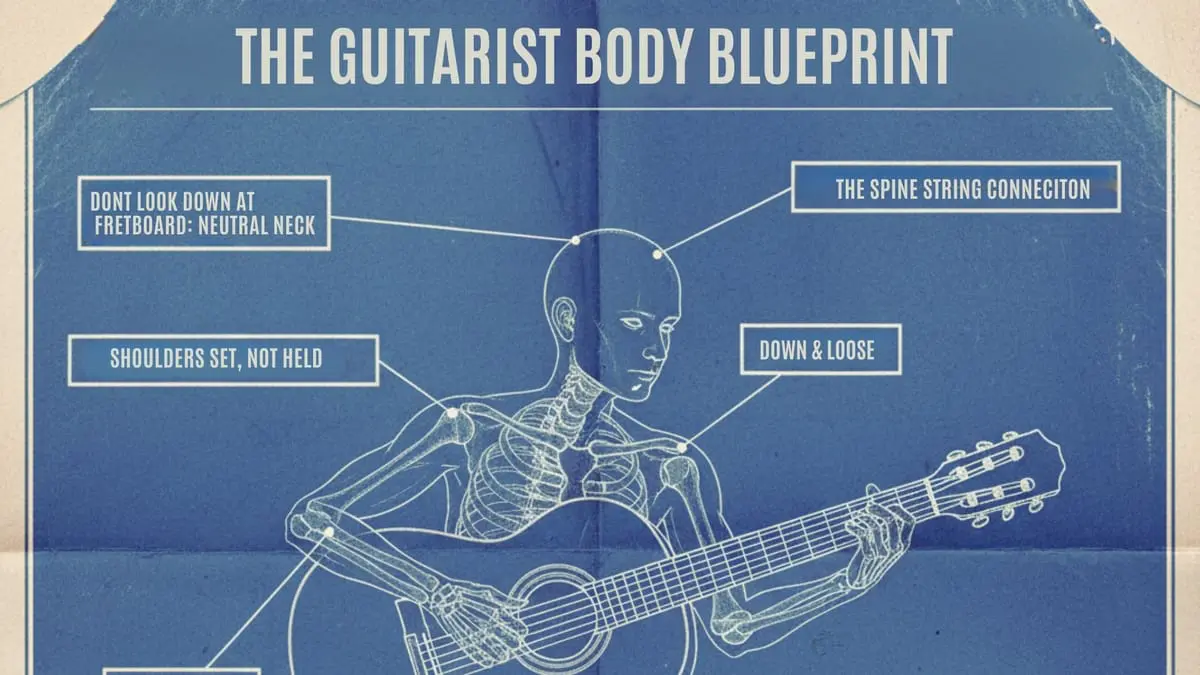
Selecting a guitar is less about finding the "best" instrument and more about matching your physical comfort and playing style. A mismatch here can stall your progress in the 30-day sprint, while the right fit makes practice feel effortless.
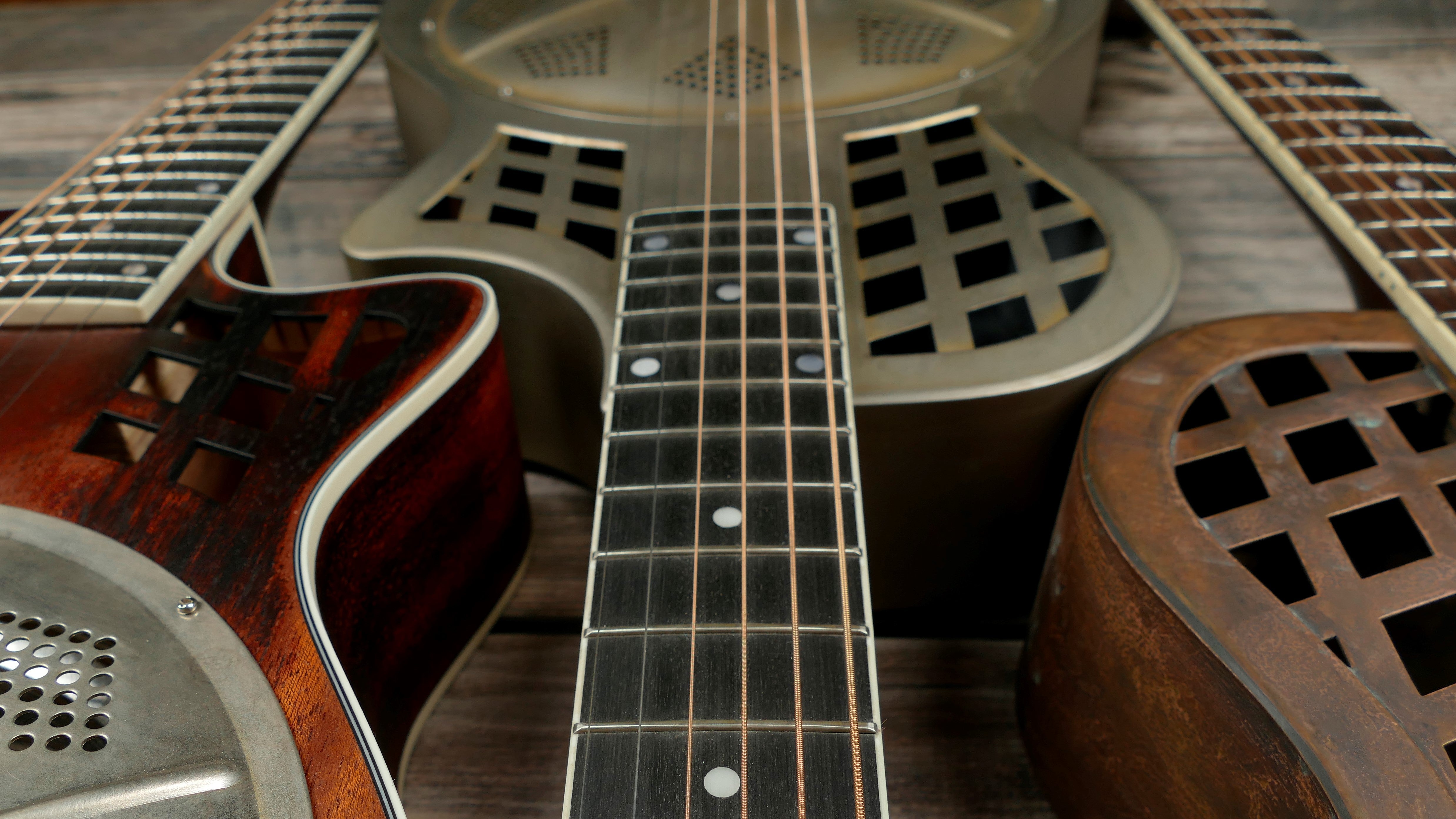
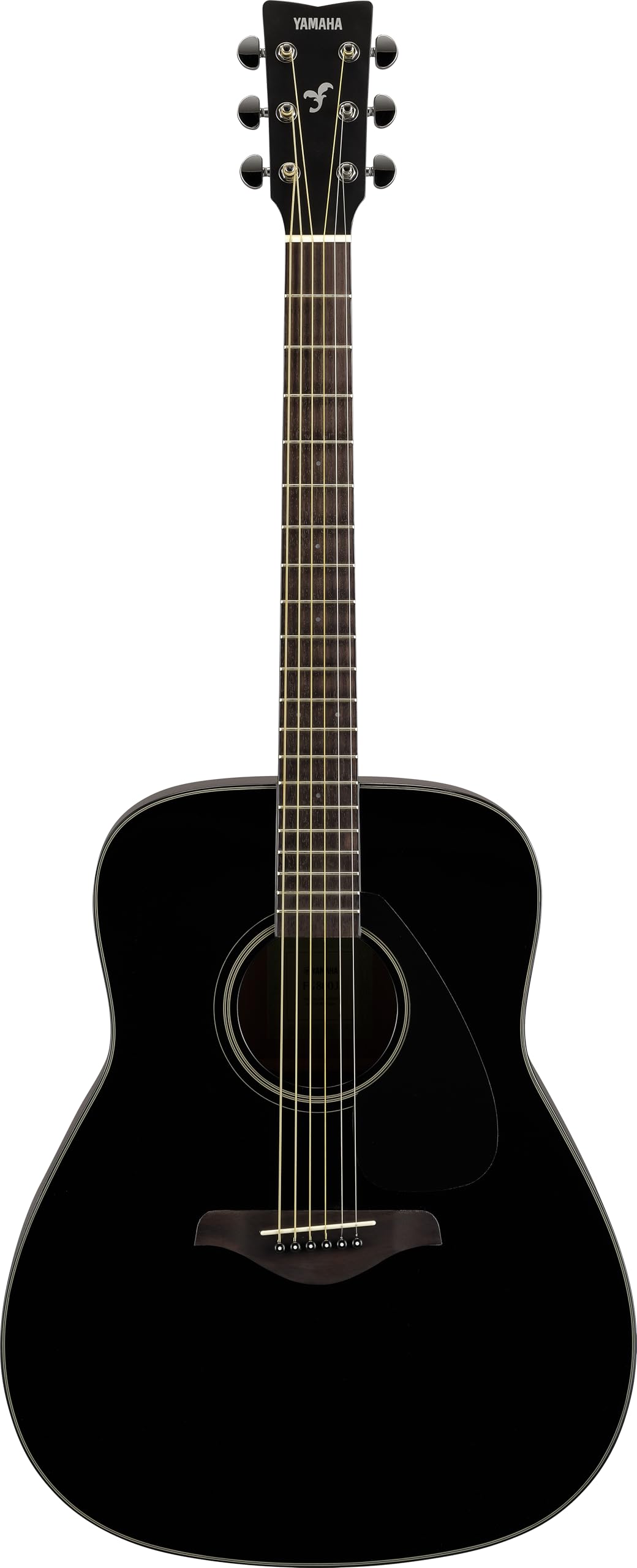
Your musical style dictates the hardware you need. Blues and rock players often seek the metallic bite of a resonator, while folk and singer-songwriters prefer the warm, rounded tone of a standard acoustic. Don't buy a steel-string dreadnought if you primarily play fingerstyle; the volume and brightness might overwhelm your nuance.

Neck thickness and scale length determine how your hand feels. If you have smaller hands, a shorter scale length (like 24.75" vs 25.5") reduces string tension, making chords easier to press. Republic Guitars, for instance, offers a 22" "Traveler" scale that is particularly forgiving for beginners or those with limited hand span.
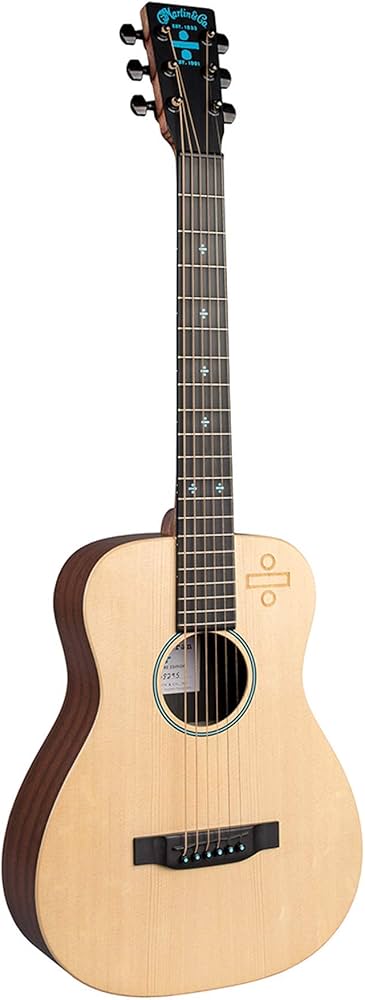
If you plan to travel or play in small spaces, a full-size dreadnought might be cumbersome. Ed Sheeran’s reliance on the Martin LX1E 3/4 size guitar proves that compact bodies don't mean compromised quality. A smaller body offers better control for smaller frames and is significantly easier to transport.
| Body Type | Best Tone | Portability | Best For |
|---|---|---|---|
| Dreadnought | Loud, Bass-heavy | Low | Strumming, Rock |
| Concert/Auditorium | Balanced, Mid-focused | Medium | Fingerstyle, Versatility |
| 3/4 Size | Compact, Warm | High | Travel, Small Hands |
| Resonator | Metallic, Loud | Low | Blues, Bluegrass |

As an Amazon Associate, we may earn from qualifying purchases.
Frequently asked: what to check next
Who makes Republic Guitars? Republic Guitars was founded in 2007 by Frank Helsley, a Texas teenager who became obsessed with acoustic blues after hearing Johnny Winter play resonator guitar. Frustrated by the lack of affordable options for modern players, Helsley started the company to build resonators that balance traditional tone with accessible pricing. The brand has since gained traction among players ranging from novices to professionals, including members of the Eagles and the Doobie Brothers.
Why does Ed Sheeran play a 3/4 size guitar? Ed Sheeran uses a 3/4 size guitar, specifically his signature Martin LX1E, primarily for portability and stage mobility. Despite its compact body, the instrument is built with quality construction that delivers a sound profile capable of filling a large venue without compromising on volume or tonal richness. This choice proves that smaller guitars can meet the rigorous demands of professional touring and recording.
Are Republic Guitars worth the money? For players seeking resonator tone without the premium price tag of boutique brands, Republic Guitars offer solid value. Reviews highlight their decent build quality and strong all-around tone, particularly in the Highway 61 series. While some users note minor cosmetic blemishes or slightly sharp fret edges on entry-level models, these are typical trade-offs for affordable instruments and rarely affect playability for most enthusiasts.
What is the difference between a 25” and 22” scale length resonator? The primary difference lies in the string tension and tonal character. A standard 25” scale length provides higher tension and a brighter, more projecting tone suitable for traditional slide playing. The 22” Traveler scale length offers lower tension, making it easier to fret and bend strings, which can be preferable for beginners or players seeking a more comfortable, compact instrument for travel.
No comments yet. Be the first to share your thoughts!