

The shift toward atmospheric guitar
TikTok moves fast. A riff that starts in a bedroom can be everywhere by Tuesday. I've watched the feed go from basic ukulele strumming to technical metal solos in a few months, mostly because the app rewards anything that sounds fresh.
I think 2026 is going to be about atmosphere. High-energy shredding is fine, but I'm seeing more people lean into fingerstyle acoustic and weird, layered electric textures. The indie and alternative sounds getting traction now are a good indicator of what's coming next.
This isn’t about predicting the next "hit song’ necessarily. It"s about anticipating the types of guitar sounds that will inspire countless short-form videos. These riffs aren't just catchy; they're designed to be looped, remixed, and reinterpreted – the core of the TikTok experience. We’ll be learning three riffs that I think embody this potential: an acoustic fingerstyle piece, an electric lead, and a loop-based creation.
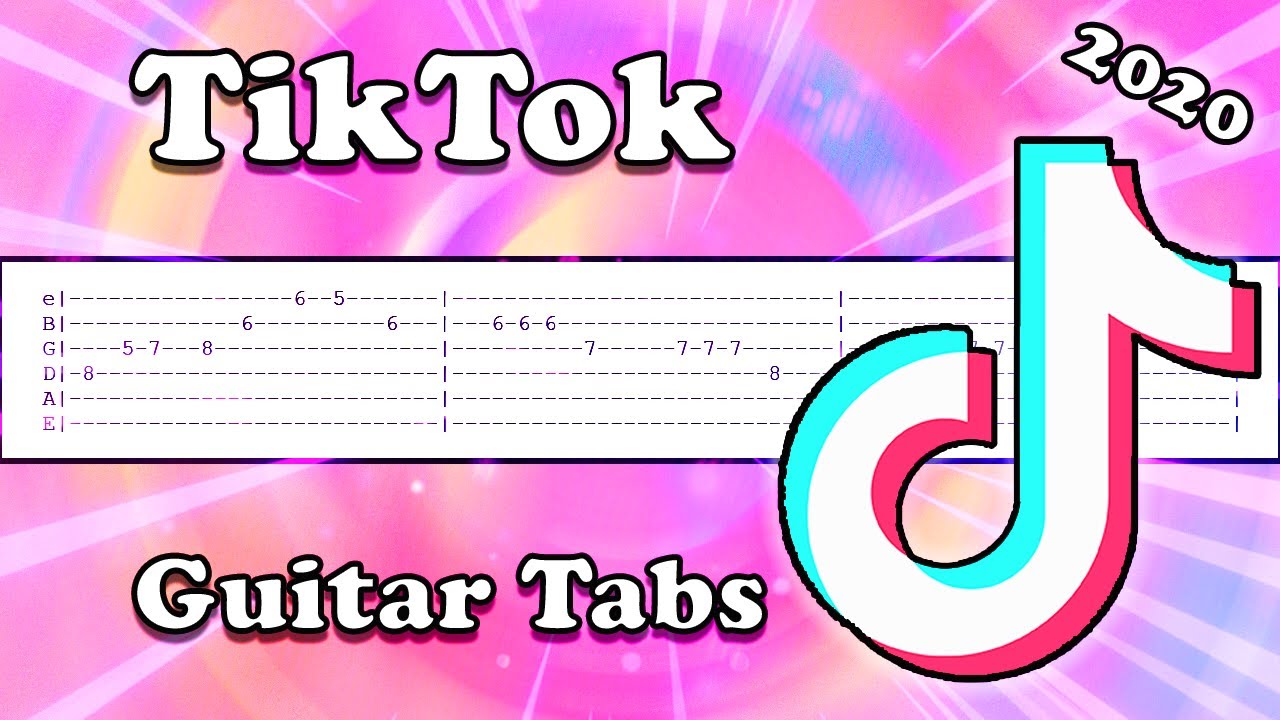
Lunar bloom: acoustic fingerstyle
Our first riff, 'Lunar Bloom', is an acoustic fingerstyle piece designed to evoke a sense of introspection and calm. Think along the lines of Bon Iver’s subtle complexity combined with the accessibility of a TikTok sound. It's in the key of Am (A minor), time signature is 4/4, and I'd rate the difficulty as a solid beginner-to-intermediate – it requires some finger independence, but it’s not overly complex.
The core progression revolves around Am, G, C, and F. Here's a simplified tablature snippet to get you started (full tab available online - search 'Lunar Bloom Guitar Tab'): e|--0-----0-----0-----0--| B|--1-----1-----1-----1--| G|--2-----2-----0-----0--| D|--2-----2-----0-----0--| A|--0-----0-----2-----3--| E|--x-----x-----3-----3--|
The fingerpicking pattern is crucial. It's a fairly standard Travis picking style: thumb on the root note of the chord, then alternating index and middle fingers on the higher strings. A common mistake beginners make is rushing the pattern – focus on keeping it steady and even. The 'vibe' of this riff is melancholic and hopeful, making it perfect for emotional or atmospheric TikTok videos. Experiment with adding subtle harmonics or a light reverb to enhance the mood.
Nova drive: the electric lead
Next up, we have 'Nova Drive', a catchy electric guitar lead inspired by indie rock and bedroom pop. This riff is all about creating a sense of energy and momentum. It's in the key of E major, also in 4/4 time, and I'd say it’s intermediate in difficulty due to the bends and vibrato involved.
Here’s a snippet of the tab: e|--12b14--12--10--12--| B|----------------------| G|--11----11----11----11-| D|----------------------| A|----------------------| E|----------------------|
The key to nailing this riff is the bends. Practice bending the 12th fret on the high E string up to a whole step (14th fret) smoothly and accurately. Vibrato is also essential – use it to add sustain and expression to the notes. Tone-wise, a slightly overdriven sound is ideal. Think a warm distortion, not a harsh metal tone. A touch of chorus or delay can also add depth. This riff lends itself well to looping, allowing you to create layers and build intensity – perfect for TikTok’s short-form format.
Using a loop pedal for texture
Let’s move into the world of looping with 'Echo Chamber'. This riff isn’t about a complex melody; it's about building a sonic texture using a loop pedal. The core riff itself is relatively simple – a four-note arpeggio in Cmaj7 (x32000). The magic happens in the layering and manipulation of the loop.
To start, set up a basic loop with the Cmaj7 arpeggio. Then, add a second layer with a simple harmony – perhaps a G6 (320000). Experiment with adding different rhythms or variations to each layer. You can also use the loop pedal’s effects (if it has them) to create interesting textures. For example, a filter sweep or a delay effect can add a lot of depth.
Looping pedals come in all shapes and sizes, and price points. Don’t feel like you need to spend a fortune to get started. Boss and Electro-Harmonix both make solid, reliable options. The key is to understand the basics of loop creation and experimentation. This riff is all about creating a hypnotic and immersive soundscape.
How to remix these riffs
Now that you have the basic riffs, let's talk about personalization. The beauty of TikTok is its emphasis on creativity and remixing. Don’t be afraid to experiment and make these riffs your own. Start by changing the tempo. Speeding up or slowing down a riff can dramatically alter its feel.
Consider changing the key. Transposing a riff to a different key can open up new harmonic possibilities. Experiment with different chord voicings. For example, instead of playing a standard Am chord, try an Am7 or an Am9. Add embellishments like hammer-ons, pull-offs, or slides. These small touches can add a lot of personality to your playing.
Remember, these riffs are starting points, not rigid rules. TikTok thrives on originality, so don't be afraid to break the mold and create something unique. Take these riffs and run with them – remix them, re-harmonize them, and make them your own. That’s where the real magic happens.
And there are four complete beginner guitar tutorials and hat allow you to play along with the tunes that @gillianframe_ is teaching. https://t.co/W91WzTqE5s
— findlaynapier (@findlaynapier) July 29, 2020


No comments yet. Be the first to share your thoughts!