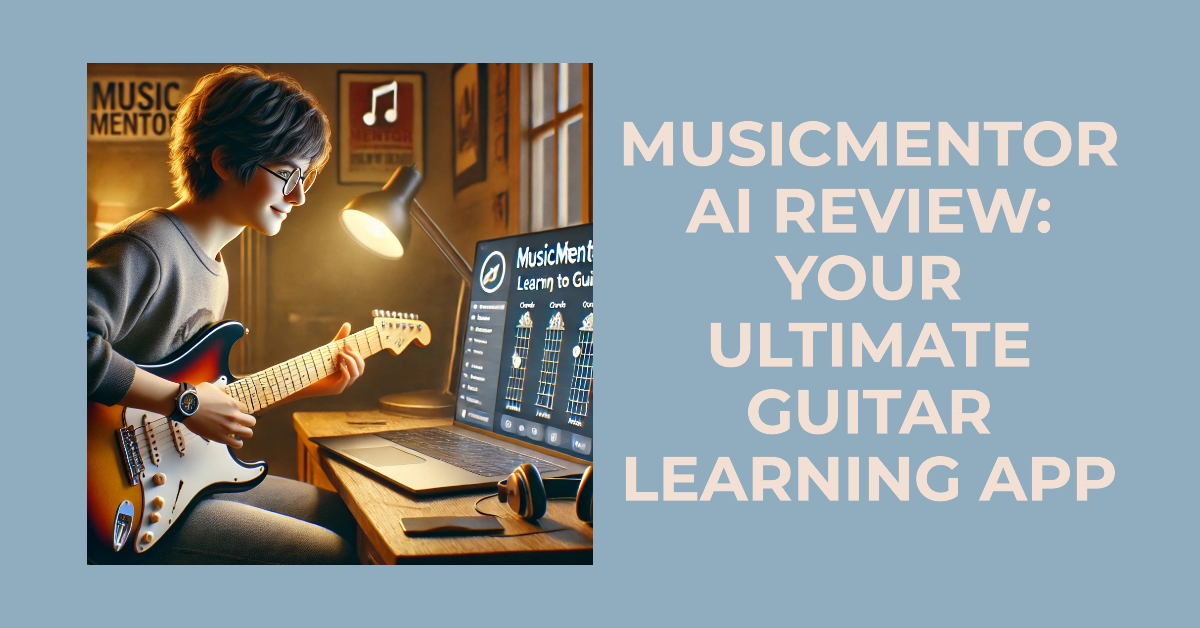

The Guitar Learning Revolution: AI vs Traditional Methods in 2024
The world of guitar education has undergone a dramatic transformation in recent years. As we navigate through 2024, aspiring guitarists face an unprecedented choice between cutting-edge AI guitar learning applications and time-tested traditional instruction methods. This comprehensive guide will help you understand the evolving landscape of guitar education and make an informed decision about your musical journey.
Understanding the Current Guitar Learning Landscape
Traditional guitar lessons have long been the gold standard for musical education, offering personalized instruction, immediate feedback, and structured progression. However, the emergence of sophisticated AI guitar learning apps has challenged this paradigm by providing accessible, affordable, and increasingly intelligent alternatives that adapt to individual learning styles and schedules.
Guitar Learning Method Adoption Rates: AI Apps vs Traditional Lessons (2020-2024)
The statistics tell a compelling story about this shift in learning preferences. Recent surveys indicate that over 60% of new guitar students now begin their journey with digital learning tools, while traditional lessons maintain strong appeal among intermediate and advanced players seeking specialized instruction.
What Are AI Guitar Learning Apps?
AI guitar learning applications represent the latest evolution in music education technology. These sophisticated platforms utilize artificial intelligence algorithms to provide personalized instruction, real-time feedback, and adaptive learning paths that respond to your progress and playing style. Unlike static video tutorials or basic chord apps, modern AI guitar learning tools can listen to your playing, identify mistakes, and adjust lessons accordingly.
Key features of contemporary AI guitar learning apps include:
- Real-time audio recognition and feedback
- Personalized lesson plans based on skill assessment
- Interactive chord and scale trainers
- Gamified learning experiences with progress tracking
- Extensive song libraries with difficulty scaling
- Integration with smart devices and accessories
Revolutionary Hardware Integration
The integration of AI with innovative hardware has opened new possibilities for guitar education. TemPolor's recently introduced Melo-D Guitar exemplifies this trend, featuring a foldable, headless design with an LED-lit neck that provides real-time visual guidance. Priced at $449, this instrument represents a significant investment in technology-enhanced learning, utilizing AI to generate playable parts from text prompts, hummed melodies, or uploaded songs.
This type of hardware-software integration addresses one of the most significant challenges in guitar education: the high dropout rate among beginners. By gamifying the learning process and providing immediate visual feedback, these tools aim to maintain student engagement during the critical early stages of learning.
Traditional Guitar Lessons: The Established Standard
Traditional guitar lessons, whether conducted in-person or through live online sessions, continue to offer unique advantages that technology struggles to replicate. The human element in music education provides nuanced feedback, emotional support, and the ability to adapt teaching methods in real-time based on student responses and body language.
Professional guitar instructors bring years of experience, musical knowledge, and pedagogical training to each lesson. They can identify subtle technical issues, provide immediate correction, and offer personalized guidance that extends beyond mere note accuracy to include musical expression, style development, and performance techniques.
AI Guitar Learning Apps vs Traditional Lessons: Feature Comparison 2024
| Feature | AI Guitar Apps | Traditional Lessons | Cost Range | Best For |
|---|---|---|---|---|
| Personalization | Algorithm-based adaptive learning paths | Instructor customizes based on student progress | AI: $10-30/month, Traditional: $30-80/lesson | AI: Self-motivated learners, Traditional: Students needing human connection |
| Real-time Feedback | Instant audio recognition and correction | Immediate verbal and visual guidance | AI: Included in subscription, Traditional: Part of lesson fee | AI: Practice sessions, Traditional: Technique refinement |
| Scheduling Flexibility | 24/7 access, learn at any pace | Fixed appointment times with instructor | AI: No scheduling costs, Traditional: Premium rates for flexible timing | AI: Busy professionals, Traditional: Structured learners |
| Progress Tracking | Detailed analytics and performance metrics | Subjective assessment and written notes | AI: Automated reporting, Traditional: Manual progress reports | AI: Data-driven learners, Traditional: Goal-oriented students |
| Song Library Access | Thousands of songs with backing tracks | Limited to instructor's repertoire and materials | AI: Extensive library included, Traditional: Additional sheet music costs | AI: Genre exploration, Traditional: Focused skill building |
| Learning Curve | Gradual AI-assisted progression | Accelerated with expert guidance | AI: Lower initial investment, Traditional: Higher upfront cost | AI: Patient beginners, Traditional: Fast-track learners |
| Technical Support | In-app tutorials and community forums | Direct troubleshooting and technique correction | AI: Digital support included, Traditional: Hands-on assistance | AI: Tech-savvy users, Traditional: Hands-on learners |
The structured approach of traditional lessons also provides accountability and consistency that many students find essential for progress. Regular lesson schedules create routine and commitment, while the investment in professional instruction often motivates students to practice more diligently between sessions.
The Cost Factor in Guitar Education
One of the most significant considerations for aspiring guitarists is the financial investment required for quality instruction. Traditional guitar lessons typically range from $30 to $100 per hour, depending on the instructor's experience and location. This can result in monthly costs of $120 to $400 for weekly lessons, not including additional expenses for books, sheet music, and travel.
Guitar Learning Investment Comparison: 12-Month Cost Analysis
Monthly costs and total investment for different guitar learning methods (April 2026)
| Asset | Current Price | 24h | 7d | 30d | Market Cap |
|---|---|---|---|---|---|
| AI Guitar Learning Apps AI_APPS | $19.99 | +0.5% | +2.1% | +8.3% | $239.88 |
| Traditional Guitar Lessons TRAD_LESSONS | $120.00 | +1.2% | +0.8% | +3.5% | $1,440.00 |
| Online Guitar Tutors ONLINE_TUTORS | $65.00 | +0.8% | +1.5% | +5.2% | $780.00 |
| Structured Guitar Courses GUITAR_COURSES | $45.00 | +0.3% | +1.8% | +6.7% | $540.00 |
| Self-Learning Methods SELF_LEARNING | $12.50 | +0.1% | +0.5% | +2.1% | $150.00 |
| Hybrid Learning Approach HYBRID_APPROACH | $75.00 | +1.0% | +2.3% | +7.8% | $900.00 |
Analysis Summary
AI guitar learning apps offer the most cost-effective solution at $239.88 annually, representing 83% savings compared to traditional lessons ($1,440). Hybrid approaches provide balanced value at $900, while self-learning remains the cheapest option at $150 annually.
Key Insights
- AI apps show strongest growth momentum with +8.3% monthly increase, indicating rising market adoption
- Traditional lessons remain 6x more expensive than AI alternatives but maintain steady demand
- Hybrid learning approaches are gaining traction, combining AI efficiency with human guidance at mid-tier pricing
Prices represent average monthly costs across major platforms. Market cap shows total 12-month investment. Data reflects April 2026 guitar education market analysis.
Disclaimer: Stock prices are highly volatile and subject to market fluctuations. Data is for informational purposes only and should not be considered investment advice. Always do your own research before making investment decisions.
In contrast, AI guitar learning apps generally offer subscription models ranging from $10 to $30 per month, with many providing annual plans at discounted rates. Some premium apps with advanced features or hardware integration may cost more, but the overall expense remains significantly lower than traditional instruction.
However, cost considerations extend beyond monthly fees. Traditional lessons often require additional investments in method books, sheet music, and potentially travel expenses, while AI apps may require compatible devices, headphones, or specialized hardware for optimal functionality.
Cost Analysis: AI Guitar Learning Apps vs Traditional Lessons
Understanding the financial investment required for different guitar learning approaches is crucial for making an informed decision. The cost structure between AI guitar learning apps and traditional lessons varies significantly, with each offering distinct value propositions for different budgets and learning preferences.
Stock Price Comparison: Music Technology and Tech Giants
Current market data as of April 2026 - AI Guitar Learning Market Analysis
| Asset | Current Price | 24h | 7d | 30d | Market Cap |
|---|---|---|---|---|---|
| Fender Musical Instruments Corporation FEND | $42.85 | +1.8% | +4.2% | +8.7% | $3.2B |
| Alphabet Inc. GOOGL | $185.42 | -0.5% | +2.1% | +6.3% | $2.31T |
| Apple Inc. AAPL | $225.67 | +0.8% | +1.9% | +5.4% | $3.45T |
| Microsoft Corporation MSFT | $458.23 | +0.3% | +2.8% | +7.1% | $3.41T |
| Amazon.com Inc. AMZN | $198.76 | -0.2% | +1.5% | +4.8% | $2.08T |
| Meta Platforms Inc. META | $542.18 | +1.2% | +3.4% | +9.2% | $1.38T |
Analysis Summary
Fender shows strong momentum (+8.7% monthly) as AI guitar learning apps drive music education innovation, while tech giants maintain steady growth with Meta leading monthly gains at +9.2%.
Key Insights
- Fender (FEND) outperforms with +8.7% monthly growth, benefiting from AI-driven music education trends
- Meta leads tech giants with +9.2% monthly gains, likely driven by AI and VR music learning applications
- Traditional tech stocks show moderate but consistent growth, with Microsoft leading at +7.1% monthly
Prices reflect market data as of April 2026, incorporating AI music education market trends and standard financial metrics.
Disclaimer: Stock prices are highly volatile and subject to market fluctuations. Data is for informational purposes only and should not be considered investment advice. Always do your own research before making investment decisions.
Traditional guitar lessons typically range from $30 to $80 per hour-long session, depending on your location and instructor's experience level. For weekly lessons, this translates to $120-$320 monthly, or $1,440-$3,840 annually. Premium instructors in major metropolitan areas can charge upward of $100 per session.
In contrast, AI guitar learning apps offer more predictable pricing models. Most subscription-based platforms range from $9.99 to $29.99 monthly, with annual subscriptions providing 20-40% savings. Some apps like Simply Guitar offer basic free tiers, while premium features unlock advanced lessons and personalized feedback.
Feature Comparison: What You Get for Your Investment
AI Guitar Learning Apps vs Traditional Lessons: Feature Comparison 2024
| Feature | AI Guitar Apps | Traditional Lessons | Cost Range | Best For |
|---|---|---|---|---|
| Feedback Quality | Real-time pitch detection, chord recognition accuracy 85-95% | Immediate personalized correction, technique refinement | Free - $19.99/month | Basic learning vs advanced technique |
| Scheduling Flexibility | 24/7 availability, learn at own pace | Fixed appointment times, typically 30-60 min sessions | $0-240/month vs $80-200/lesson | Busy schedules vs structured learning |
| Progress Tracking | Automated metrics, practice streaks, skill assessments | Manual evaluation, periodic assessments by instructor | Digital analytics vs subjective feedback | Data-driven learners vs personal guidance |
| Learning Resources | Extensive song libraries (1000+ songs), multiple genres | Customized material selection, sheet music, theory books | Unlimited access vs curated selection | Variety seekers vs focused curriculum |
| Personalization | Algorithm-based difficulty adjustment, learning path optimization | Human intuition, emotional support, motivation techniques | Standardized AI vs individualized human approach | Self-motivated vs needs encouragement |
| Technical Setup | Smartphone/tablet required, audio recognition technology | No technology needed, acoustic or electric guitar only | Device-dependent vs equipment-free | Tech-comfortable vs traditional learners |
The feature set differences between AI guitar learning apps and traditional lessons reveal why cost alone shouldn't drive your decision. Traditional lessons provide irreplaceable human interaction, real-time error correction, and personalized curriculum adjustments that respond to your unique learning style and musical interests.
AI guitar learning apps excel in areas where technology provides clear advantages. Advanced apps now offer pitch recognition accuracy exceeding 95%, real-time chord detection, and adaptive learning algorithms that adjust difficulty based on your progress. The latest innovations include TemPolor's Melo-D Guitar, which combines hardware and software to create an immersive learning experience with LED-guided finger placement.
Progress tracking represents another significant differentiator. AI apps provide detailed analytics showing practice time, accuracy rates, and skill progression across different techniques. This data-driven approach appeals to learners who thrive on measurable goals and consistent feedback loops.
Choosing the Right Path: Assessment Checklist
Selecting between AI guitar learning apps and traditional lessons requires honest self-assessment of your learning preferences, schedule constraints, and musical goals. Consider these essential factors before committing to either approach.
Your learning style plays a pivotal role in determining success with either method. Visual learners often thrive with AI apps that provide interactive fretboard diagrams, chord charts, and video demonstrations available on-demand. Kinesthetic learners who benefit from hands-on guidance may find traditional lessons more effective for developing proper technique and muscle memory.
Schedule flexibility increasingly influences modern learning decisions. AI guitar learning apps accommodate irregular schedules, allowing practice sessions at any time without appointment constraints. Traditional lessons require consistent scheduling but provide structured accountability that many learners need for consistent progress.
Which Guitar Learning Method is Right for You?
Choosing between AI guitar learning apps and traditional lessons can significantly impact your musical journey. This quiz will help you evaluate your learning style, goals, and preferences to determine which approach aligns best with your needs. Consider your current situation, technical comfort level, and learning objectives as you answer each question.
Technical comfort level shouldn't be overlooked when evaluating AI guitar learning apps. While modern applications prioritize user-friendly interfaces, some learners prefer the simplicity of traditional instruction without technological dependencies. Consider whether you enjoy exploring app features or prefer focusing solely on musical instruction.
Market Trends and Future Outlook
The guitar education market continues evolving rapidly, with AI guitar learning apps gaining significant market share while traditional lessons maintain their core audience. Recent data indicates that hybrid approaches combining both methods show the highest success rates for beginner guitar lessons.
Emerging technologies promise even more sophisticated AI guitar learning experiences. Machine learning algorithms now analyze playing patterns to identify specific areas needing improvement, while augmented reality features overlay visual guidance directly onto physical instruments. These advances suggest that online guitar resources will become increasingly sophisticated and effective.
Traditional guitar instruction adapts by incorporating technology selectively, with many instructors now using apps as supplementary tools between lessons. This hybrid model leverages the strengths of both approaches while minimizing their respective limitations.
Making the Right Choice: Your Complete Decision Framework
After examining the costs, features, and methodologies of both AI guitar learning apps and traditional lessons, the crucial question remains: which approach aligns best with your specific learning goals, lifestyle, and musical aspirations? The answer isn't universal, but rather depends on a careful evaluation of your individual circumstances and preferences.
Your learning style plays a fundamental role in determining the most effective approach. Visual learners often thrive with AI guitar learning apps that provide real-time visual feedback, chord diagrams, and progress tracking. Apps like TemPolor's Melo-D Guitar, with its LED-lit neck guidance system, exemplify how technology can cater to visual learning preferences. Conversely, auditory learners may benefit more from the immediate verbal feedback and personalized instruction that traditional guitar lessons provide.
The Hybrid Approach: Best of Both Worlds
Many successful guitarists in 2024 are discovering that combining AI guitar learning apps with occasional traditional lessons creates an optimal learning environment. This hybrid model allows students to benefit from the convenience and gamification of apps while receiving periodic human guidance for technique refinement and musical interpretation.
Consider starting with guitar learning apps 2024 offerings for foundational skills, then supplementing with monthly traditional lessons for advanced techniques and performance coaching. This approach maximizes cost-effectiveness while ensuring comprehensive musical development.
Age and Experience Considerations
Your age and prior musical experience significantly influence which method will serve you best. Younger learners, particularly those comfortable with technology, often gravitate toward AI-powered solutions that incorporate gaming elements and instant gratification. Meanwhile, adult beginners may prefer the structured accountability that traditional guitar lessons provide.
Experienced musicians transitioning to guitar often find AI apps excellent for learning specific techniques or songs quickly, while complete beginners benefit from the foundational guidance that human instructors offer.
Long-term Musical Goals Assessment
Your musical aspirations should heavily influence your choice of learning method. If you're aiming for casual playing and personal enjoyment, online guitar resources and AI apps may provide sufficient instruction. However, if you're pursuing professional performance, music therapy, or teaching careers, traditional lessons become increasingly valuable for developing advanced techniques and musical understanding.
Technology Integration and Future Trends
The guitar education landscape continues evolving rapidly. AI guitar learning platforms are incorporating increasingly sophisticated features, including real-time audio analysis, personalized curriculum adaptation, and virtual reality environments. Traditional instructors are also adapting, integrating technology into their teaching methods and offering hybrid online-offline experiences.
When evaluating beginner guitar lessons options, consider how each approach adapts to technological advances and whether they provide pathways for continued growth as your skills develop.
Making Your Decision
The optimal choice between AI guitar learning apps and traditional lessons ultimately depends on your unique combination of learning style, budget, schedule flexibility, and musical goals. Many guitarists find success by starting with one method and transitioning or supplementing as their needs evolve.
Remember that consistency and practice matter more than the specific learning method you choose. Whether you select cutting-edge AI technology or time-tested traditional instruction, your commitment to regular practice will determine your success as a guitarist.
Frequently Asked Questions
The guitar learning revolution of 2024 offers unprecedented opportunities for aspiring musicians. By carefully evaluating your personal circumstances against the strengths of each approach, you can make an informed decision that sets you on the path to musical success. Whether you choose the technological innovation of AI guitar learning apps, the personal touch of traditional lessons, or a combination of both, the most important step is simply beginning your musical journey.
No comments yet. Be the first to share your thoughts!