

Understand the resonator sound profile
A resonator guitar uses a metal cone to amplify sound, replacing the traditional wooden soundboard. This mechanical design produces a bright, cutting tone that projects well without electricity, making it the standard for blues and slide players. Republic Guitars targets this specific niche by offering metal-bodied instruments at a price point accessible to modern enthusiasts, a mission started by founder Frank Helsley after he sought affordable options for Texas blues.
Republic’s instruments are built for players who want the volume and sustain of a resonator without the cost of boutique American builds. The brand has gained recognition from artists like Johnny Winter and members of the Eagles, who appreciate the reliability and authentic tone. When choosing a Republic resonator, you are selecting an instrument designed to cut through a mix, whether you are playing solo slide or accompanying a band.
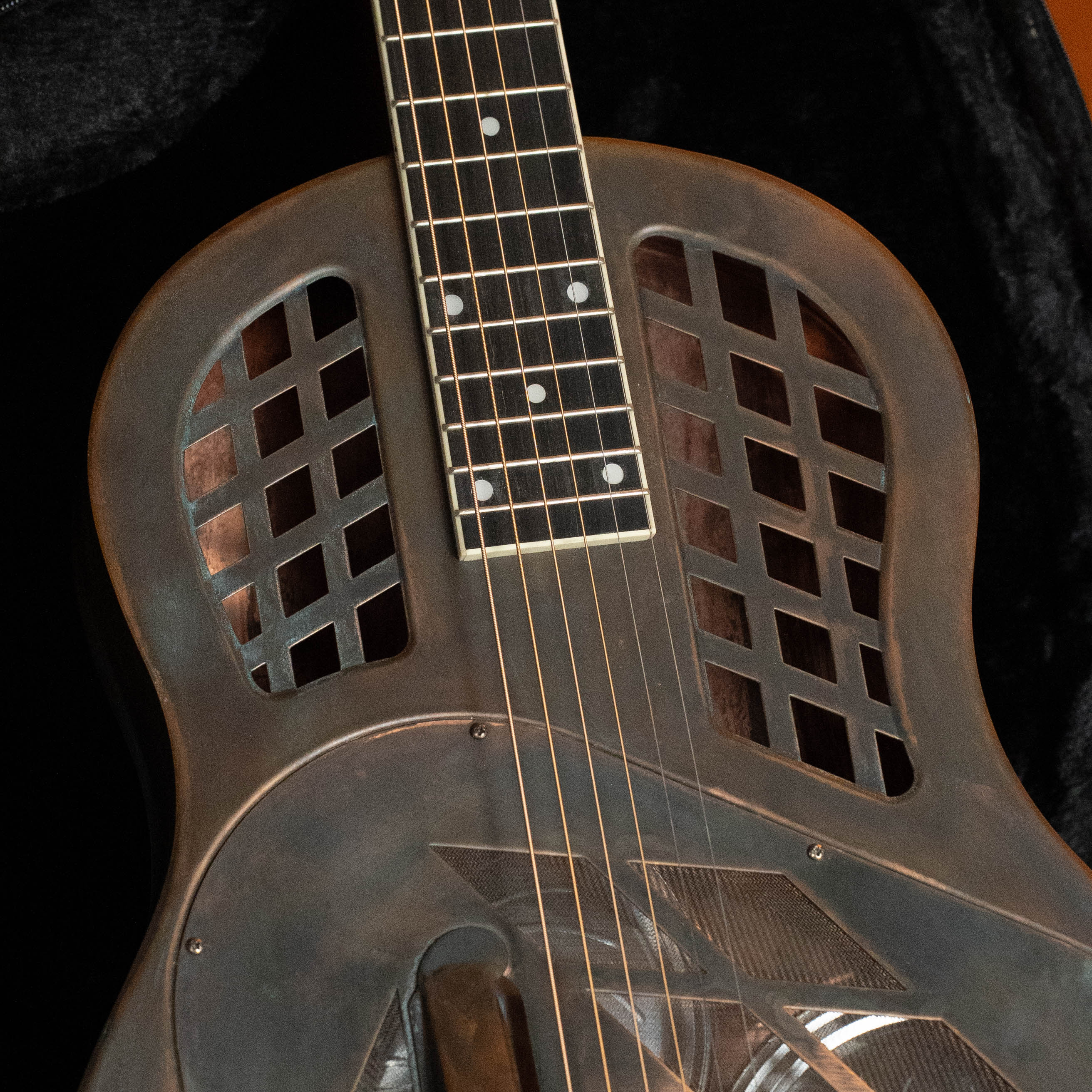
Compare single cone versus tricone models
Republic Guitars structures its resonator lineup around two distinct cone configurations. The choice between a single cone and a tricone model dictates the instrument’s volume, sustain, and tonal complexity. Understanding these mechanical differences helps you select a resonator guitar that matches your blues and slide playing style.
The Highway 61 series features a single 10-inch spun aluminum cone. This design prioritizes raw volume and a focused midrange presence. It cuts through a mix with clarity and responds aggressively to heavy picking or aggressive slide techniques. The single cone produces a direct, punchy tone that works well for delta blues and high-volume jam sessions. However, it offers less harmonic complexity than multi-cone designs.
The TriCone model integrates three smaller 6-inch cones arranged in a triangular pattern. This configuration distributes vibration across a larger surface area, creating a richer, more nuanced tone. The TriCone delivers enhanced sustain and a broader frequency response, making it ideal for fingerstyle blues, ragtime, and complex chord work. While slightly quieter than the Highway 61, it offers superior tonal depth and dynamic control for nuanced playing.
Use the comparison below to evaluate the technical differences between these two core models.
| Feature | Highway 61 (Single Cone) | TriCone |
|---|---|---|
| Cone Configuration | Single 10-inch aluminum cone | Three 6-inch aluminum cones |
| Tonal Character | Punchy, focused midrange, direct | Rich, complex, nuanced harmonics |
| Volume Output | High, cuts through a mix | Moderate, blends well |
| Best For | Delta blues, heavy slide, jamming | Fingerstyle, ragtime, nuanced blues |
| Sustain | Standard | Extended, singing quality |
Evaluate your playing style
Selecting the right resonator guitar requires matching the instrument’s mechanical output to your specific musical needs. Follow this evaluation process to determine which model suits your technique.
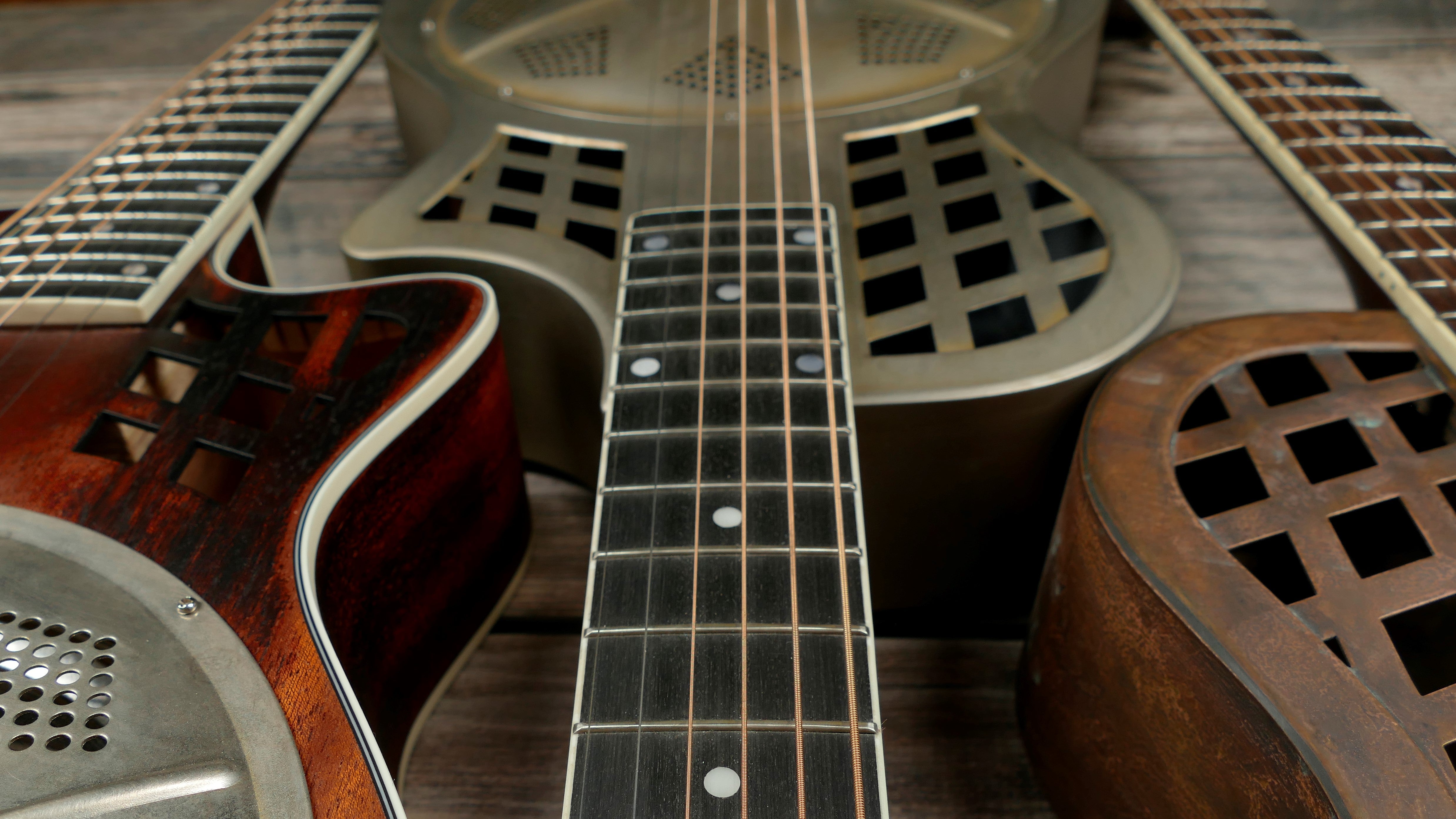
Play in environments with other instruments or in open spaces. If you need to project over drums or other loud players, the Highway 61’s single cone provides the necessary volume and cut. The TriCone may struggle to compete in high-volume settings without amplification.
Experiment with slide intensity. Heavy, aggressive slide playing benefits from the Highway 61’s direct response. If you use lighter pressure or intricate slide phrasing, the TriCone’s harmonic complexity will reward your nuance with better tonal feedback.
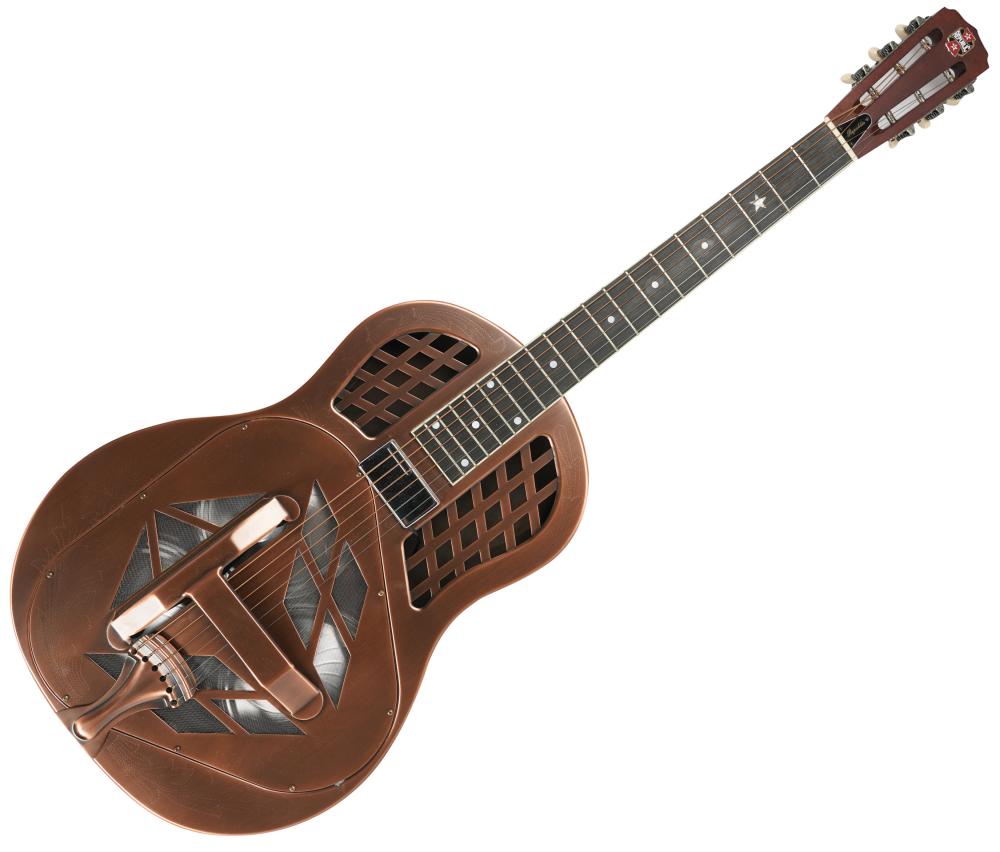
Determine if you play multiple styles. The Highway 61 is a versatile all-rounder for blues and folk. The TriCone excels in traditional blues, ragtime, and jazz-influenced styles. Choose the single cone for broader genre flexibility or the tricone for specialized tonal depth.

Republic offers standard and short-scale versions of the Highway 61. Short-scale models are easier to fret and transport, making them ideal for beginners or travel. The TriCone is typically available in standard scale lengths, offering a traditional playing feel for experienced players.
Check build quality and specs
Before purchasing, inspect the physical construction to ensure the instrument meets your durability and playability standards. Republic Guitars maintains consistent build quality, but verifying specific details prevents buyer’s remorse.
Examine the neck joint and fretwork for smooth transitions and proper intonation. Check the cone housing for secure mounting and absence of rattles. Ensure the bridge sits flat and transmits vibration efficiently. These physical checks confirm the instrument’s readiness for rigorous blues and slide playing.
Inspect build quality and setup details
Republic Guitars, founded by Frank Helsley to address the lack of affordable resonator options, generally offer solid construction. However, community feedback and owner reports highlight specific areas that require close inspection before purchase. The brand’s value proposition relies on getting the instrument ready for slide playing, so verifying the setup is just as important as checking the wood and metal.
The most common complaint regarding Republic resonators involves fretwork. Owners frequently note that fret edges can be slightly sharp, which is a standard issue with many factory-finished instruments in this price range. Run your finger lightly along the side of the neck. If the metal feels jagged or catches your skin, the frets need filing. This is a quick, inexpensive fix for a luthier but a significant comfort issue for slide players who rest their hand on the neck.
While the build quality is described as solid, minor blemishes on the finish are not uncommon. Inspect the body under good lighting for cracks, especially around the bridge plate and the resonator cone housing. Check the neck joint for any gaps. Since resonator guitars are played with a slide, the neck profile and finish smoothness directly impact playability. Ensure the finish is even and that no structural repairs have been poorly executed.
Slide playing requires specific setup parameters. Check the string action at the 12th fret; it should be high enough to prevent buzzing against the frets when using a heavy slide, but not so high that it becomes difficult to press down. Play every fret on every string to check for intonation. If the guitar sounds sharp or flat as you move up the neck, the saddle position may need adjustment. A proper setup ensures the instrument stays in tune across the fretboard.
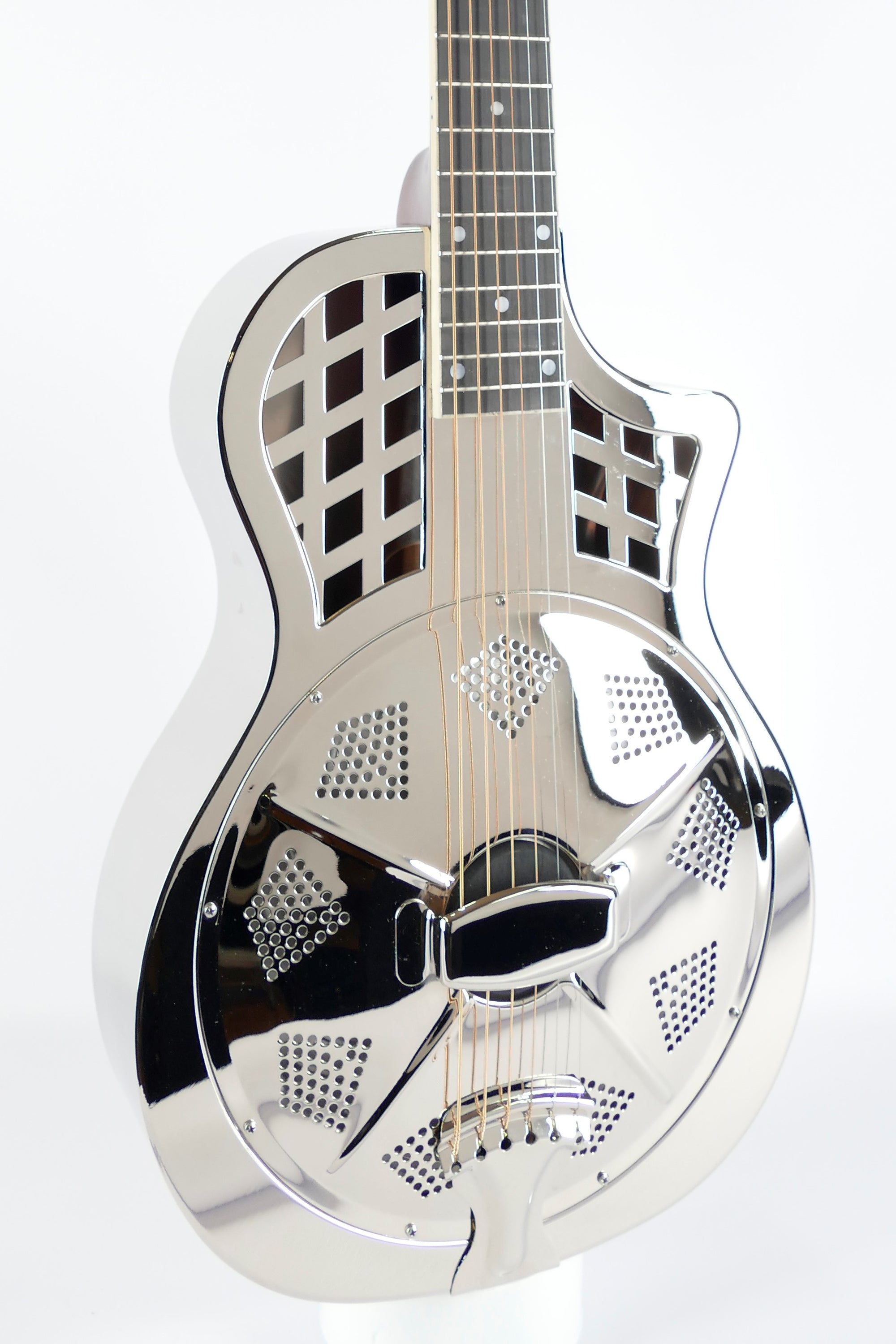
For a resonator guitar, the heart of the instrument is the cone. Ensure the cone is seated properly in the biscuit or spider assembly. Look for any signs of corrosion or loose solder joints on the cone itself. The bridge should sit flat and secure. If the cone is loose or the bridge is wobbly, the tone will be dull and the sustain will suffer. This is a critical mechanical check that affects the core sound of the instrument.
Listen to demo videos before buying
Before you commit to a Republic resonator, verify the tone and playability through video. A static photo or spec sheet cannot convey the metallic bite of a biscuit bridge or the complex overtones of a Tricone spider. Watching a player handle the instrument reveals how the guitar responds to slide pressure and fingerpicking dynamics in real time.
Start by examining the Republic Highway 61, a popular entry-level model. The video below features a detailed look at this instrument, allowing you to hear its projection and sustain without leaving your chair. Pay attention to how the tone changes when the player shifts between open chords and slide positions.
For a deeper understanding of the Tricone’s unique voice, look for demos featuring skilled players. The clip below shows musician Rogo playing a Republic TriCone at Norman’s Rare Guitars. Notice the clarity of the individual notes and how the guitar cuts through a mix. This visual and auditory proof helps you decide if the specific tonal character matches your blues or slide style.
Where to buy and support options
You can buy a Republic resonator guitar directly from the manufacturer in Austin or through major retailers like Guitar Center. Choosing between these channels affects your warranty coverage, return window, and access to setup support.
Buying Direct from Republic
Purchasing directly from Republic Guitars offers the most transparent relationship with the maker. You get full visibility into the build process and direct communication with the luthier. This channel is ideal for custom orders or specific scale length requests, such as the 25-inch standard or the 22-inch Traveler model.
Warranty claims are handled directly by the company. You bypass third-party intermediaries, which can speed up repairs or adjustments. However, direct purchases may have longer lead times for shipping and limited return windows compared to big-box retailers.
Buying from Retailers
Retailers like Guitar Center provide immediate availability and easier return policies. You can often pick up a resonator guitar in-store or receive it within days. This is practical if you need to inspect the instrument’s playability before committing.
Warranty service through retailers usually requires you to contact the store first. They may act as an intermediary with the manufacturer, adding a step to the process. Ensure you keep your receipt and register the instrument promptly to validate coverage.
Comparing Support and Warranty
Direct purchases prioritize builder access. Retailer purchases prioritize convenience and local support. For blues players needing specific setup nuances, direct contact with Republic can be invaluable. For those needing a quick swap or local inspection, a retailer is more flexible.
Always check the current warranty terms on the Republic Guitars website before buying. Retailers may offer additional protection plans, but these often exclude setup issues covered by the manufacturer. Read the fine print to understand what is covered.
No comments yet. Be the first to share your thoughts!