

Start with the right resonator tone
Blues and slide guitar rely heavily on the unique, metallic voice of a resonator. Learning these styles on a standard acoustic can be like trying to sing opera in a library; you have the technique, but the instrument doesn't amplify the specific character you're trying to master. Republic Guitars bridges this gap by offering authentic resonator tones at a price point that makes serious acoustic study accessible without the premium cost of boutique American builds.
Republic occupies a distinct niche for players who want that classic blues sound without the steep investment of high-end artisanal instruments. By focusing on accessible pricing, they allow beginners and intermediate players to experiment with slide techniques and blues phrasing without the financial risk associated with more expensive brands. This accessibility is crucial for skill development, as it encourages consistent practice on an instrument that responds well to the specific demands of slide playing.
The Highway 61 and Tricone lines are particularly effective tools for this learning process. The Highway 61 offers a bright, cutting tone that helps players hear every nuance of their slide work, while the Tricone provides a warmer, more complex sound that mimics the vintage instruments of the Delta blues era. These instruments are not just affordable; they are designed to respond accurately to the pressure and angle of a slide, making them ideal partners for developing control and tone.
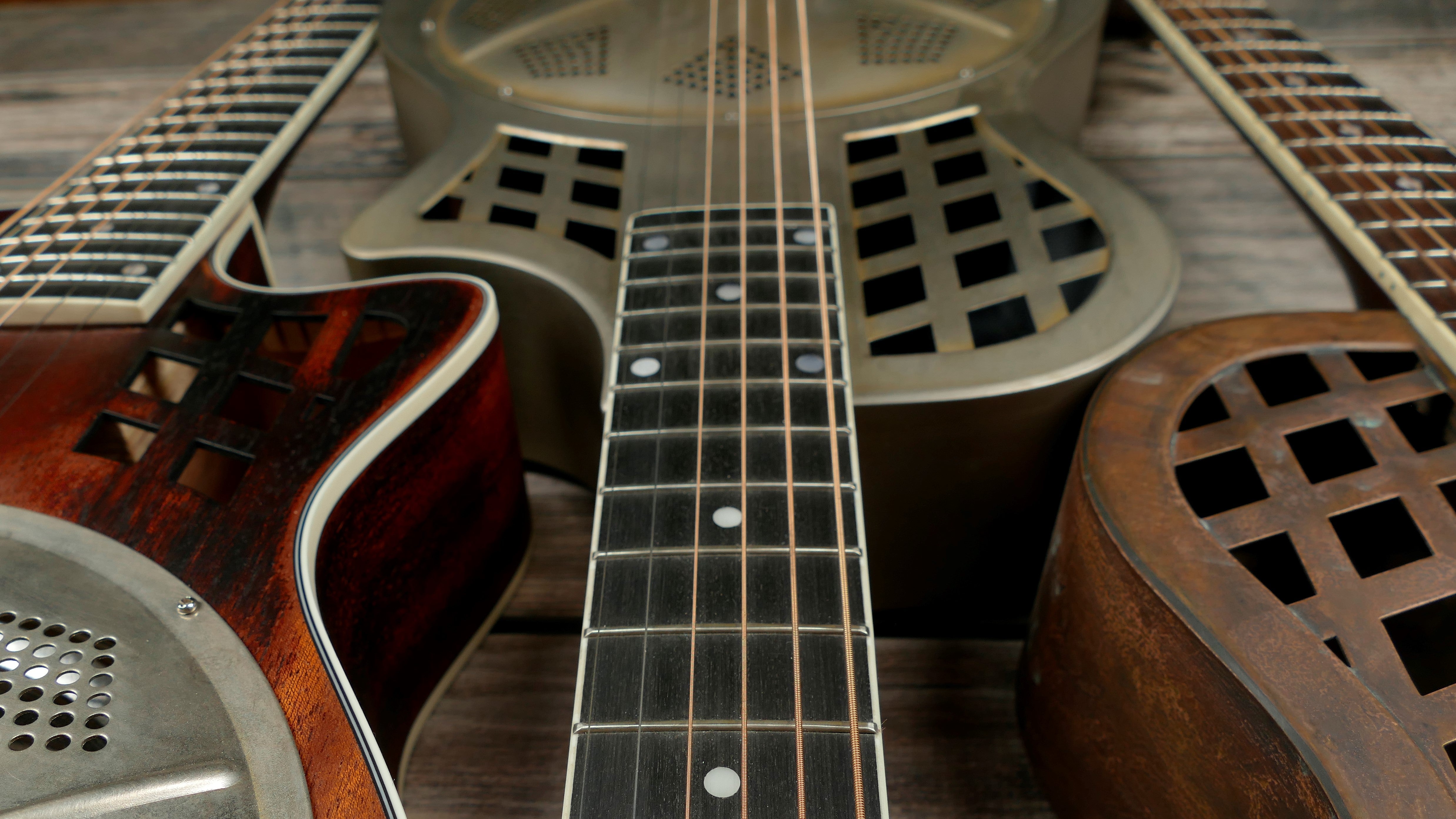
Choosing the right resonator is the first step in refining your blues technique. Republic Guitars offers a practical entry point, allowing you to focus on your playing rather than the instrument's cost. Whether you are drawn to the bright clarity of the Highway 61 or the vintage warmth of the Tricone, these instruments provide the authentic tone necessary to develop your skills effectively.
5 Ways to Improve Guitar Skills with Republic Guitars
Republic Guitars offer an accessible entry point for serious acoustic study, bridging the gap between affordability and professional-grade playability. By leveraging the distinct tonal clarity of the Highway 61 and the unique resonance of the Tricone lines, you can isolate specific technical weaknesses and accelerate your progress with targeted, instrument-specific practice.
-

Develop fingerstyle precision with the Highway 61
The Highway 61’s consistent string action and responsive top encourage disciplined right-hand technique. Practice alternating bass patterns slowly, focusing on independent thumb and finger movement. The guitar’s clear articulation reveals timing flaws immediately, forcing you to tighten your picking hand. This immediate feedback loop builds the muscle memory necessary for complex Travis picking, turning casual strumming into professional-level fingerstyle execution. -
Enhance dynamic control using the Tricone resonance
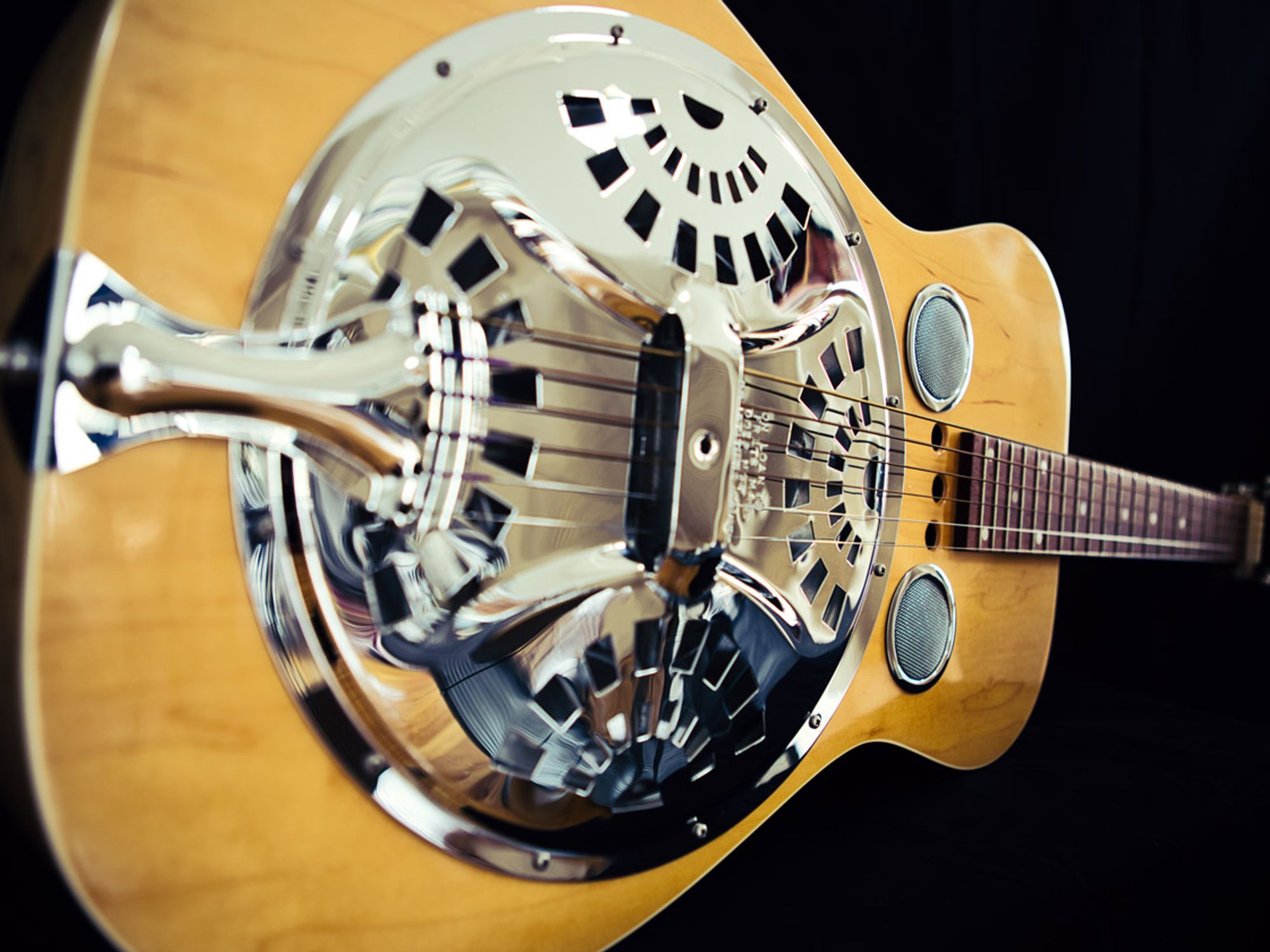
Tricone resonators offer a compressed, rich tone that rewards subtle touch. Experiment with picking angle and force to modulate volume without changing your hand position. The three-cone system naturally evens out notes, allowing you to focus on expressive phrasing rather than volume balancing. By playing softly and then striking hard, you learn to harness the instrument’s natural sustain and tonal complexity for nuanced emotional delivery. -

Refine chord clarity on the wide neck
Republic’s wider neck profiles demand precise left-hand placement, eliminating accidental muting. Practice barre chords slowly, ensuring every string rings out clearly before moving to the next shape. The physical width forces you to develop stronger finger independence and proper thumb positioning behind the neck. This structural requirement naturally corrects sloppy hand shapes, resulting in cleaner chord transitions and reduced hand fatigue during extended playing sessions. -
Master intonation accuracy with precise fretwork
Republic’s consistent fretwork provides a reliable platform for checking your fretting hand’s accuracy. Play open strings alongside fretted notes at the twelfth fret, listening for beating or dissonance. If the fretted note is sharp, you are pressing too hard or placing fingers too far back. This exercise trains your ear and hand to find the sweet spot on each fret, ensuring your chords sound in tune across the entire neck. -
)
Build endurance through lightweight body design
The ergonomic, lightweight body of Republic guitars reduces physical strain during long practice sessions. This comfort allows you to maintain proper posture and relaxed tension for extended periods. Focus on playing scales or arpeggios for thirty minutes continuously, noting where fatigue sets in. The reduced weight helps sustain energy levels, enabling you to practice technical exercises longer and build the muscular endurance required for complex repertoire without developing tension-related injuries.
Single Cone vs. Tricone: Choosing Your Resonator Sound
Resonator guitars are defined by their metal cones, but the number of cones fundamentally changes how the instrument speaks. When you are looking to improve your guitar skills, understanding this mechanical difference helps you choose the right tool for your playing style. Republic Guitars offers distinct lines for both configurations, allowing you to target specific acoustic goals.
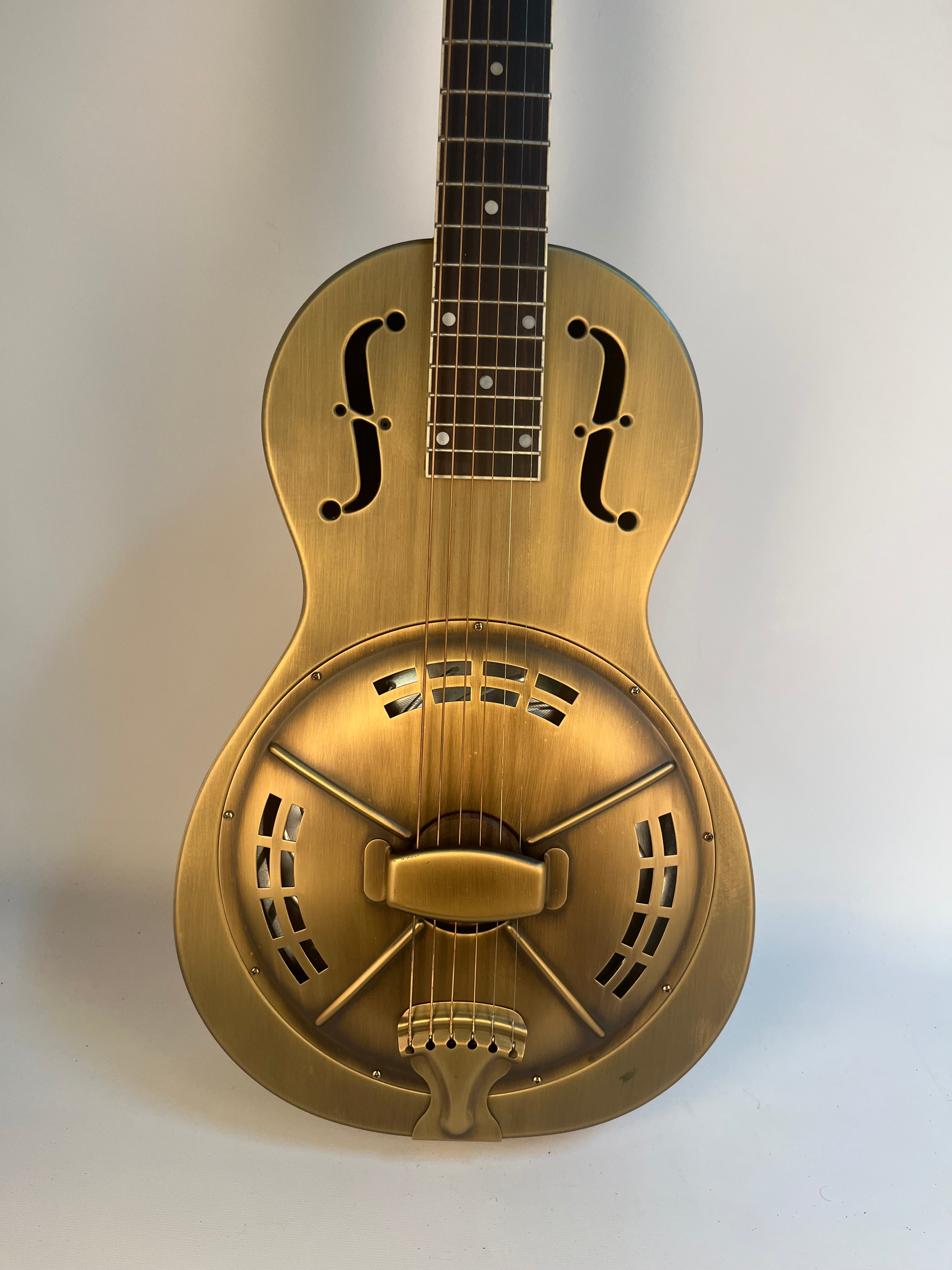
The single cone resonator, found in the Highway 61 line, uses one cone to transfer string vibration directly to the bridge plate. This design prioritizes volume and sustain. The sound is direct, punchy, and aggressive. It cuts through a mix easily, making it ideal for slide guitar in blues or rock contexts where projection is key. The tone is brighter and more focused, with a strong mid-range presence that rewards precise fretting and picking.
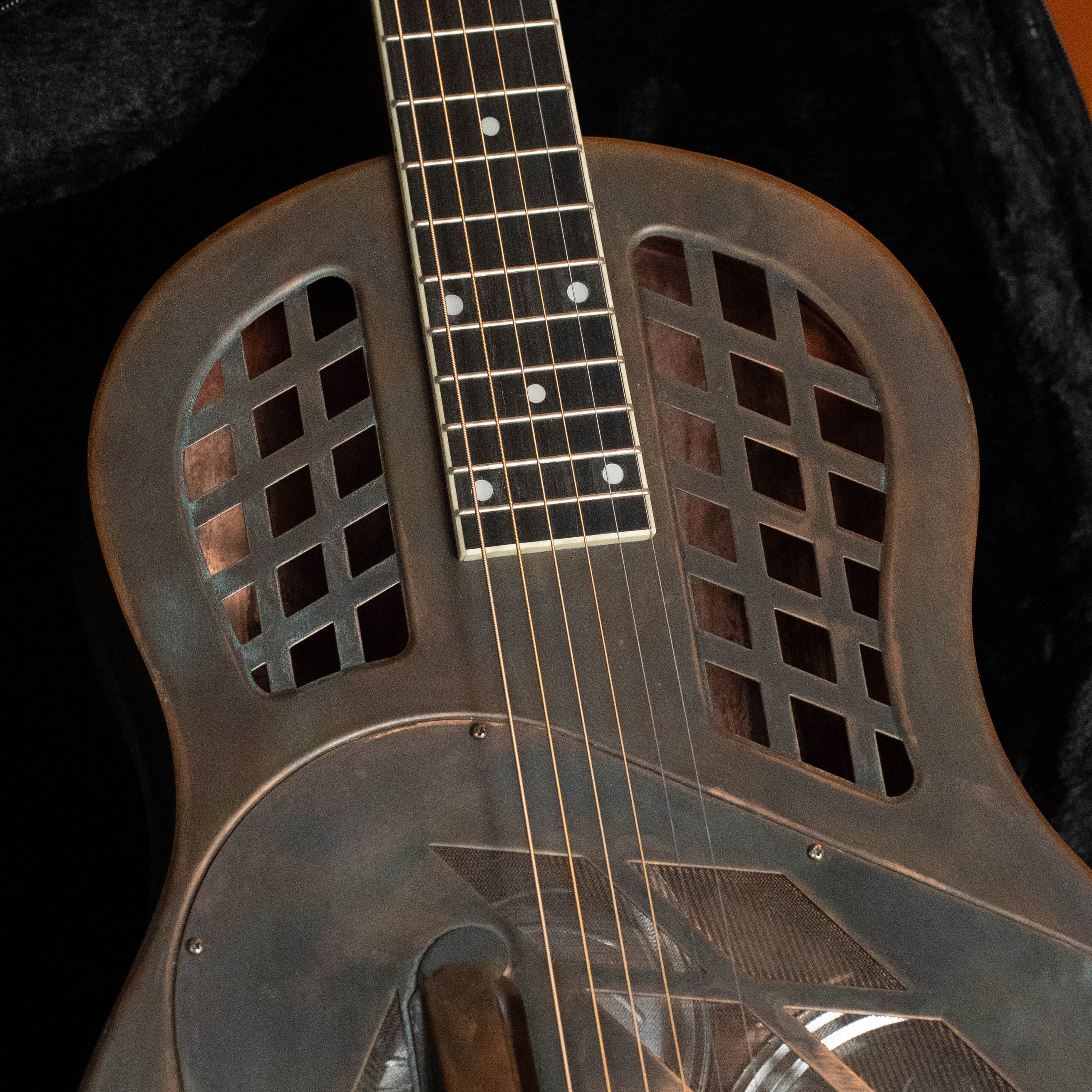
The tricone resonator, featured in the Republic Tricone line, adds two auxiliary cones to the main driver. This complex arrangement spreads the energy across three points, resulting in a richer, more nuanced tone. The sound is warmer, smoother, and more balanced across the frequency spectrum. It lacks the raw, nasal bite of the single cone, offering instead a complex harmonic richness that is excellent for fingerstyle playing or jazz-influenced styles. The trade-off is slightly less raw volume, but the tonal depth is significantly higher.
To visualize these differences, consider the following comparison of the two configurations available from Republic Guitars.
| Feature | Single Cone (Highway 61) | Tricone (Republic Tricone) |
|---|---|---|
| Sound Profile | Punchy, bright, and direct | |
| Sound Profile | Warm, complex, and balanced | |
| Volume | High projection, cuts through mixes | |
| Volume | Moderate, focused on tone over volume | |
| Best For | Slide blues, rock, and aggressive picking | |
| Best For | Fingerstyle, jazz, and nuanced dynamics | |
| Tone Complexity | Focused mid-range, strong sustain | |
| Tone Complexity | Rich harmonics, smooth attack |
If you want to hear the difference firsthand, watch this demonstration of the Republic TriCone resonator guitar played by Rogo at Norman’s Rare Guitars.
The choice between these two instruments comes down to your musical intent. If you need an instrument that demands attention and provides a sharp, cutting tone for slide work, the single cone Highway 61 is the practical choice. If your goal is to explore tonal color and play intricate fingerstyle patterns, the tricone offers the sonic depth required for that level of expression. Both are accessible entry points for serious acoustic study, provided you match the hardware to your sound.
Build fretting hand strength and precision
Republic guitars offer a solid build quality that makes them a reliable workhorse for daily practice, even if minor finish blemishes or slightly sharp fret edges are occasionally present. These small imperfections do not detract from the instrument's core function; instead, they provide an honest platform for developing technical discipline. When your fretting hand encounters resistance or unevenness, it forces you to engage with the mechanics of the instrument rather than relying on a perfectly polished finish.
Start by using the Republic Highway 61 line to drill chromatic exercises across the entire neck. The consistent action and clear tonal response of these models help you hear every note clearly, making it easier to identify weak fingers or sloppy transitions. Focus on pressing the string just behind the fret wire with enough pressure to produce a clean tone without choking the sound. This precision builds the muscle memory required for faster playing.
Next, transition to the Republic Tricone resonator for intonation and vibrato work. The unique tonal characteristics of a resonator demand precise finger placement, as any slight deviation is immediately audible. Use the Tricone’s distinct sound to check your intonation by playing open strings alongside fretted notes, ensuring they match perfectly. This ear-training exercise sharpens your ability to fret accurately under pressure.
Finally, incorporate slow, deliberate finger independence drills into your routine. Place your fingers on adjacent strings and lift them one by one without muting the others. This exercise strengthens the individual muscles in your fretting hand and improves dexterity. Over time, this focused practice will translate into smoother chord changes and cleaner single-note lines, regardless of the guitar you pick up.
Maintain your resonator for long play
A Republic resonator guitar, whether you’re strumming a Highway 61 or picking a Tricone, is built to last, but it demands consistent care to keep that signature metallic tone bright and responsive. The brass cone inside is the heart of the instrument, and keeping the body clean and the strings fresh ensures your practice sessions remain productive rather than frustrating.
Start by wiping down the brass body and cone dust caps after every session. Fingerprints and sweat contain acids that can tarnish the finish and, over time, affect the cone’s vibration. Use a soft, dry microfiber cloth for the body and a specialized brass polish for the dust caps only when necessary. For the Highway 61’s nickel-silver fretboard, a light application of lemon oil once a month prevents drying and cracking.
String changes are equally critical. Resonator strings vibrate with higher tension than standard steel-strings, and old strings lose their brilliance quickly. When you replace them, clean the bridge saddle and the nut slots to ensure proper intonation. A clean bridge means your notes ring out clearly, which is essential when you’re working on precise fingerpicking techniques.
Finally, check the neck relief and action periodically. The metal construction of resonators can be sensitive to humidity changes. If the action feels too high, a slight adjustment to the truss rod can make playing chords much easier. Regular maintenance isn’t just about preserving the instrument’s value; it’s about ensuring that every note you play sounds as good as it feels.
Put The Guitarist’s Roadmap into practice
No comments yet. Be the first to share your thoughts!