
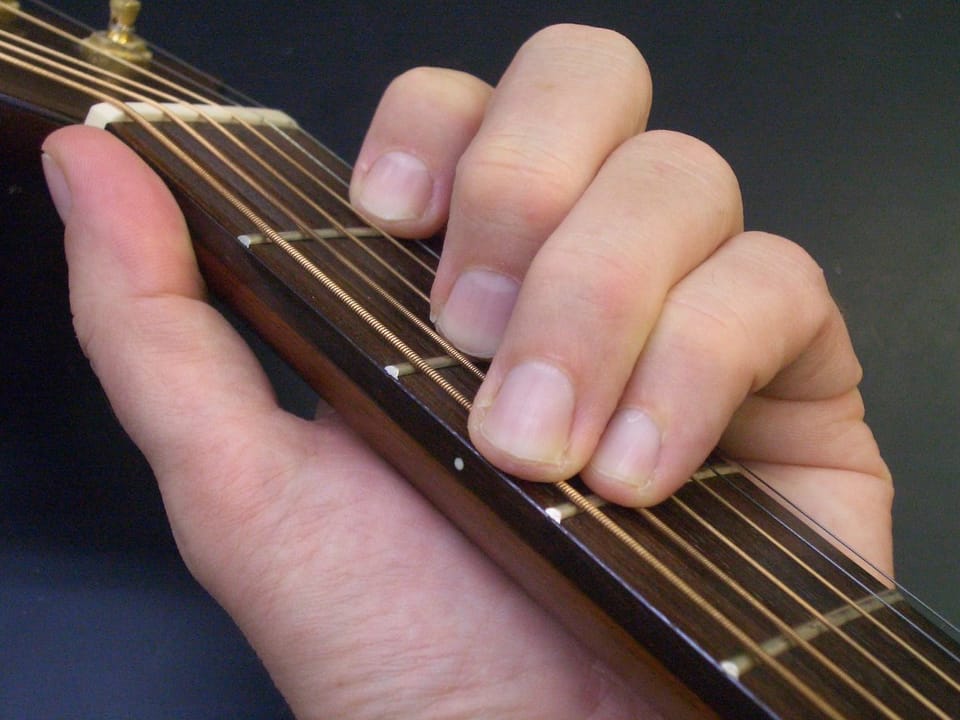

Unleashing the Melody: Your First Strum into Guitar Notes 🎸
Welcome, fellow guitar enthusiasts! Ever wondered how your favorite guitarist creates those mesmerizing soundscapes that transport you to another world? It's all in the notes, my friends. Each strum, each pluck, each note played on a guitar paints a unique auditory picture, an enchanting soundscape that resonates with our emotions. Understanding guitar notes is akin to a painter understanding colors - it's the key to creating your own masterpieces.
Whether you're a beginner just starting your journey, or an intermediate player looking to improve your guitar skills, diving into the world of guitar notes is a thrilling adventure. It's not just about knowing where the notes are - it's about understanding how they work together, how they interact, and how to use them to express your unique musical vision.
So, are you ready to embark on this exciting journey of exploring guitar notes, to unlock new dimensions in your music? Let's strum our way into the heart of guitar soundscapes!

Decoding the Fretboard: Your Map to Guitar Soundscapes 🗺️
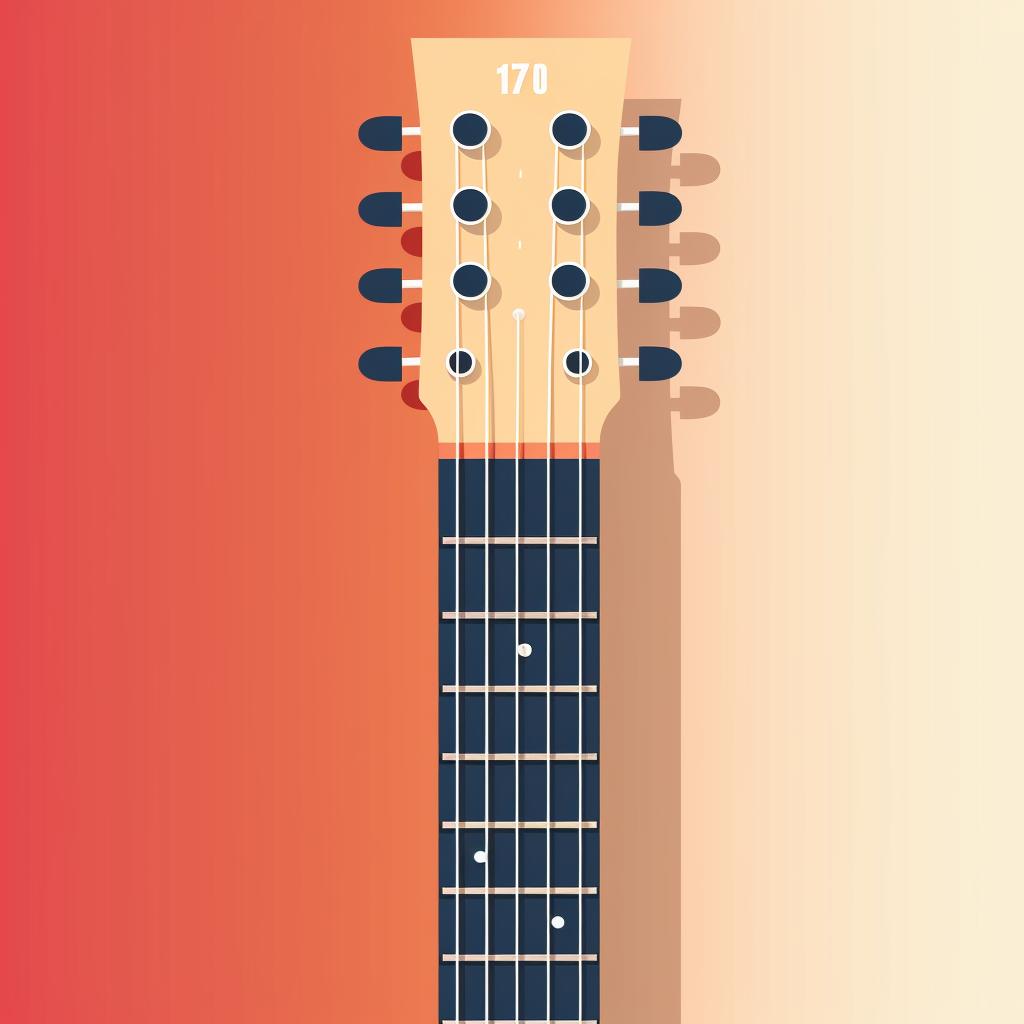
Picture the fretboard as your canvas, where each fret is a different hue waiting to be masterfully blended into your guitar soundscapes. This elongated piece of wood, adorned with metal strips, is your guide to understanding guitar notes. Each string, when pressed down at a particular fret, produces a unique note, forming an intricate matrix of sounds waiting to be explored.
Think of it as a roadmap, where each fret represents a different city on your musical journey. From the open strings to the twelfth fret, where the notes begin to repeat, the fretboard holds the key to unlock your guitar skills improvement. But how do you navigate this roadmap?
Start by familiarizing yourself with the basic notes. Our guide to guitar major scales can be your compass, helping you understand the relationship between frets and notes. The more you explore, the more your guitar skills will improve, opening up new, exciting soundscapes.
Test Your Fretboard Knowledge
Let's see how well you understand the guitar fretboard and its notes. Don't fret, it's just a quiz!
Learn more about 🎸 Test Your Fretboard Knowledge or discover other Guitars Republic quizzes.
Notes & Scales: The Building Blocks of Your Guitar Skills 🎵
Imagine, if you will, a painter trying to create a masterpiece with only one color. It's possible, but it would lack depth, variety, and the richness that comes from blending hues. The same is true for your guitar skills. The guitar fretboard is your palette, and the notes are your colors. Understanding guitar notes and how to play them is the key to creating vibrant guitar soundscapes.
Every note on your guitar is a new shade for your sonic painting. When these notes are arranged in a specific order, they form scales. Major scales, with their cheerful and bright sounds, and minor scales, offering a more melancholic and introspective tone, are the backbone of most musical pieces. Learning these scales is a significant step in your journey to improve guitar skills.
So, let's embark on this journey of exploring guitar notes. Ready to add more colors to your musical palette and bring your guitar soundscapes to life? Let's dive in!
Now that we've explored the theory of musical notes and scales, let's see how it's done in practice. Here's a comprehensive tutorial video that will guide you through playing major and minor scales on the guitar.
Now that you've learned how to play major and minor scales on the guitar, let's move on to the next topic - understanding how your fingering shapes the sounds of these notes. This is where you'll start to see your guitar soundscapes truly come to life.
Fingering Techniques: Sculpting the Sounds of Your Guitar 🎨
Ever wondered how the same note can sound different when played by different guitarists? The secret lies in the fingers. The art of fingering is a key element in shaping the guitar soundscapes, transforming notes from simple sounds into expressive musical language. Just like a painter uses different brush strokes to create unique textures on canvas, a guitarist uses fingering techniques to add color and depth to the notes.
However, perfecting these techniques can feel like learning a new language. But don't fret! With practice and patience, you can master the art of fingering and unlock a whole new world of guitar sounds. To help you on this journey, we've prepared a comprehensive guide to improving guitar skills.
Remember, every guitarist has a unique touch. So, as you explore the guitar notes, don't be afraid to experiment and find your own voice. After all, isn't that what makes music so magical?
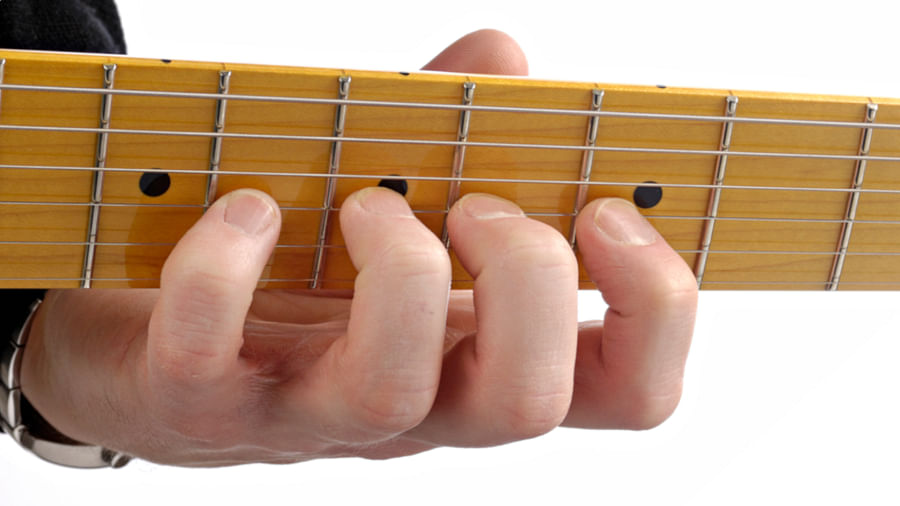
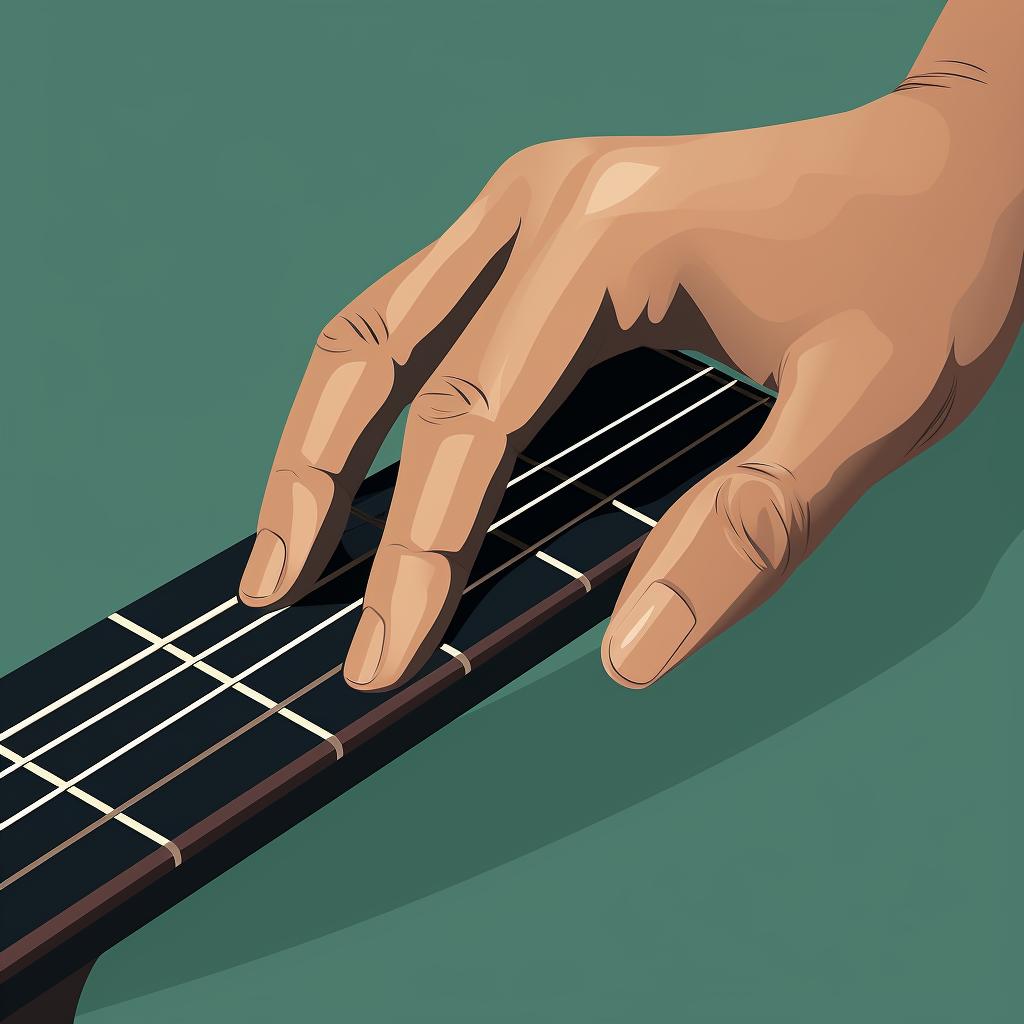
Now that we've discussed how fingering can shape the sound of your guitar notes, let's dive into the practical side of things. Here's a step-by-step guide to help you master the proper fingering techniques.
Mastering the Fingering Techniques for Guitar Notes

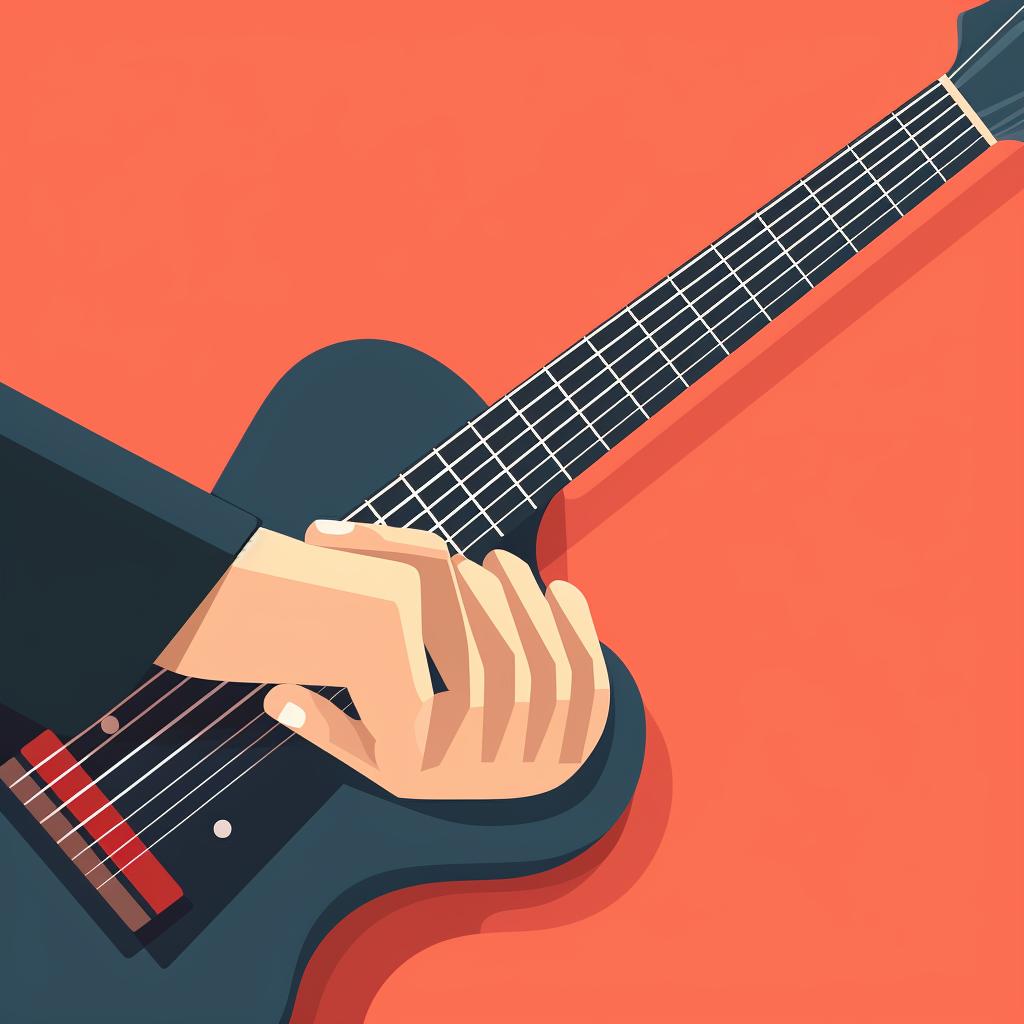
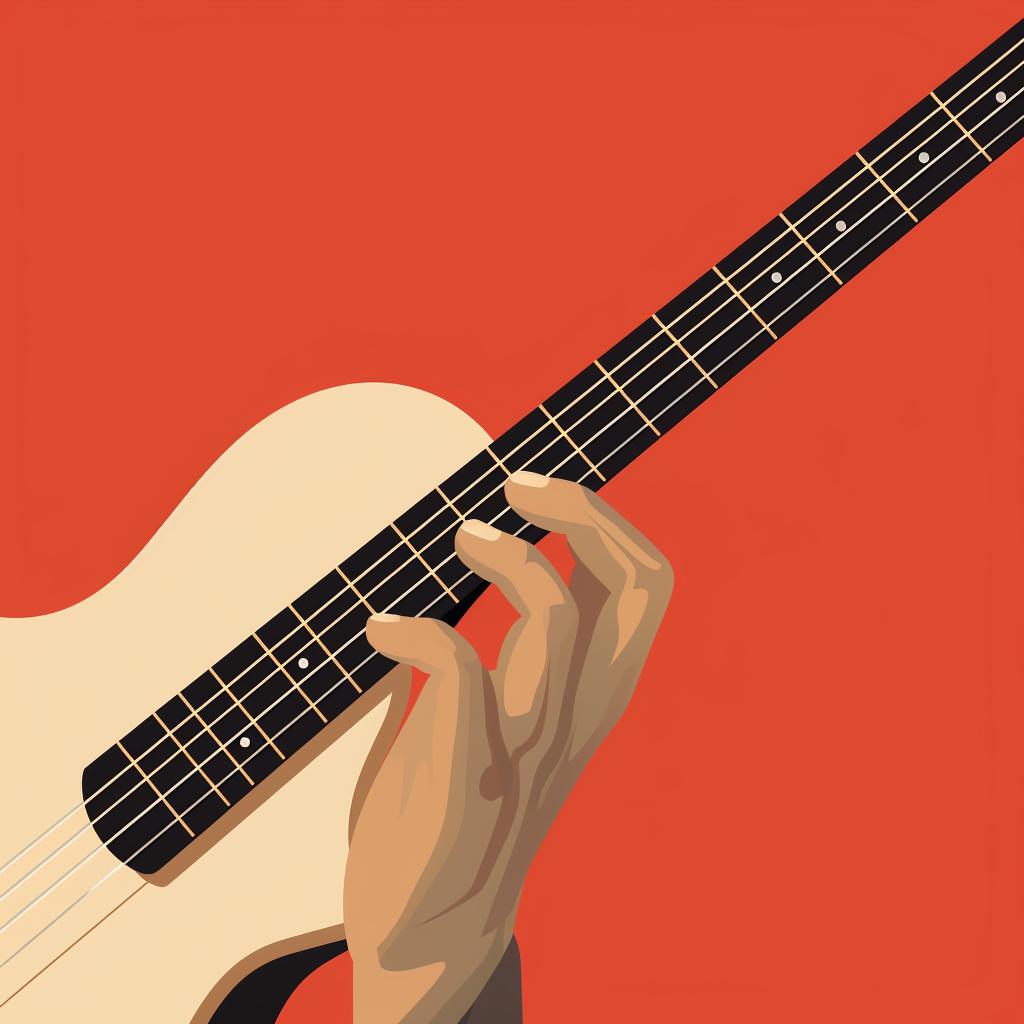
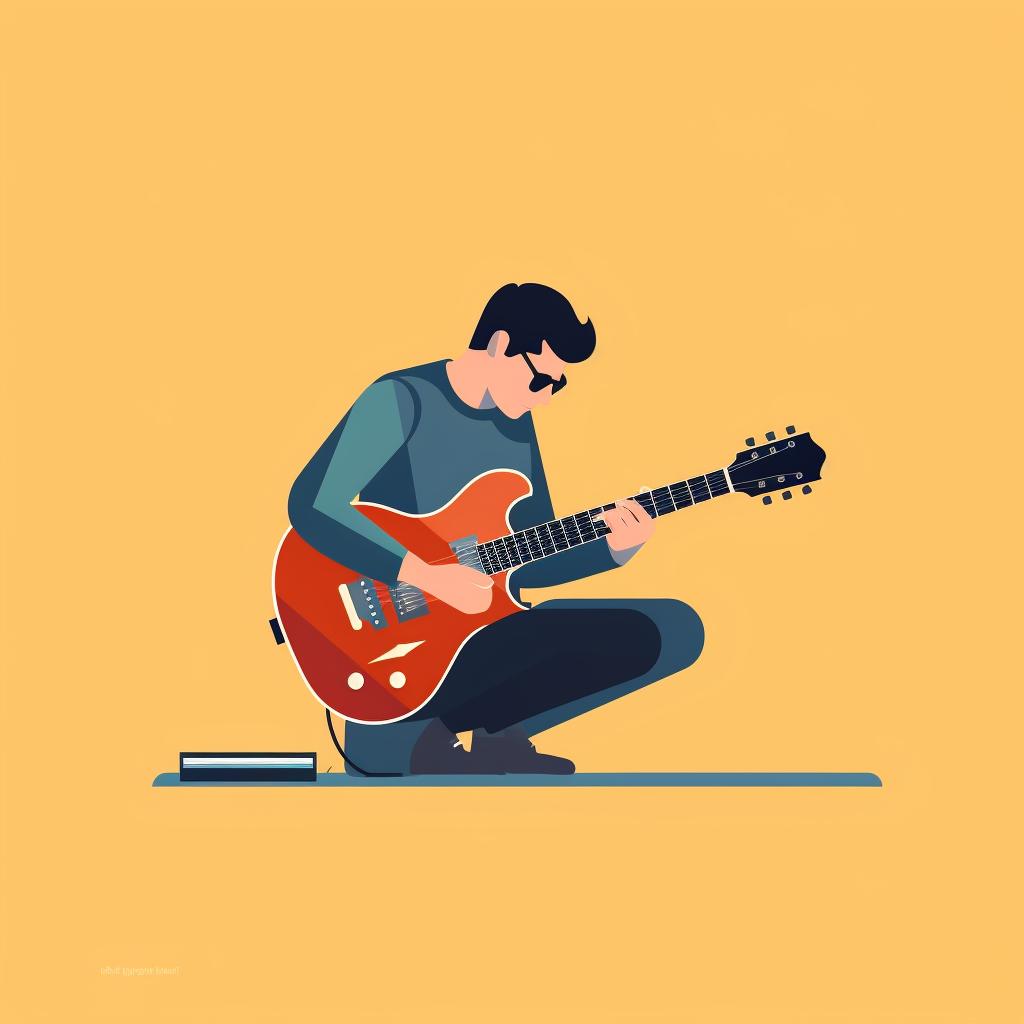
Learn more about 🎸 Mastering the Fingering Techniques for Guitar Notes or discover other Guitars Republic guides.
Remember, everyone's fingers and hands are different, so what works for one person may not work for another. The key is to keep practicing and experimenting until you find what works best for you. Now, we'd love to hear from you. What challenges do you face with fingering techniques?
What's your biggest challenge with guitar fingering techniques?
We know mastering the art of guitar fingering can be tough. We'd like to know what you find most challenging. Your feedback can help us create more targeted content to assist you!
Beyond Basics: Chords and Progressions for the Aspiring Guitarist 🚀
As we journey deeper into this sonorous landscape, we find ourselves at the threshold of the advanced realm of guitar soundscapes. It's here where the magic truly happens - where individual notes interweave to form chords, and chords meld together in progressions, creating symphonies that can evoke a myriad of emotions. Ever wondered how your favorite musicians create those soul-stirring tunes? It's all in the chords and progressions.
But don't be daunted by these seemingly complex concepts. At their heart, they're simply about understanding guitar notes and how they interact with each other. If you've been exploring guitar notes and seeking to improve your guitar skills, you're already on the right path. All it takes is a bit of practice and a dash of creativity to master these techniques.
Ready to dive in and unlock the full potential of your guitar playing? Let's embark on this fascinating journey of chords and progressions. Here are some insights to help you along the way.
Understanding Guitar Tablature
Before we begin, it's important to note that tablature, or tabs, are a form of musical notation for stringed instruments. They're a simple and effective way of communicating how to play a piece of music. Here's a tablature for a popular chord progression: F, C, G, A minor. Each line represents a string on the guitar, and the numbers represent the frets. Read from left to right, and you'll be playing a beautiful chord progression in no time!
e|-----------------1-----------------0-----------------2-----------------3--|
B|-----------------1-----------------1-----------------3-----------------3--|
G|-----------------2-----------------0-----------------2-----------------0--|
D|-----------------3-----------------2-----------------0-----------------0--|
A|-----------------3-----------------3---------------------------------2--|
E|-----------------1-----------------0---------------------------------3--|
And there you have it! With this tablature, you can start practicing this popular chord progression. Remember, practice makes perfect. Keep strumming, and soon you'll be creating your own beautiful soundscapes.
Keep Strumming: Your Ongoing Symphony with Guitar Notes 🎼
As each string hums to life under your fingers, remember, the melody of the guitar is a language of its own - a language that you're steadily mastering. Each note, each chord, and each progression you learn is a new word, a new phrase, a new sentence in the symphony of your guitar journey. You're not just playing, you're conversing, unleashing your inner rockstar, creating musical stories that speak to the soul.
And what's a language without its quirks and surprises? The guitar is no different! With every strum, you're exploring guitar notes, encircling the infinite soundscapes that lie within six strings and a fretboard. It's like venturing into an unseen realm of sound, your hands guiding you through the unseen topography of melody and rhythm.
Remember, the road to guitar skills improvement is a winding one, filled with exciting discoveries and unexpected challenges. But every journey starts with a single step, or in this case, a single strum. If you ever feel lost, revisit our guide to understanding guitar notes and let the music guide you home. So, pick up your guitar, let your fingers dance on the strings, and continue to explore the beautiful language of music.
As we conclude our journey through the world of guitar notes, it's important to remember that mastering this instrument is a continuous journey. To help you on this path, we've curated an album that beautifully showcases the use of guitar notes and progression techniques.
'Guitar Works' is a collection of tracks that will guide your ears through the intricate dance of notes and progressions. Listen to it, learn from it, and let it inspire your own guitar journey. Remember, every note you play is a step further in your musical voyage. Happy strumming!


No comments yet. Be the first to share your thoughts!